Budapest, Hungary Travel Guide 2026–2027: Passport Requirements, Best Attractions, Vacation Costs & Tourist Scams
Edited by Bobby Hess | FreePassportSnap.com
Planning a Trip to Budapest? Everything You Need to Know
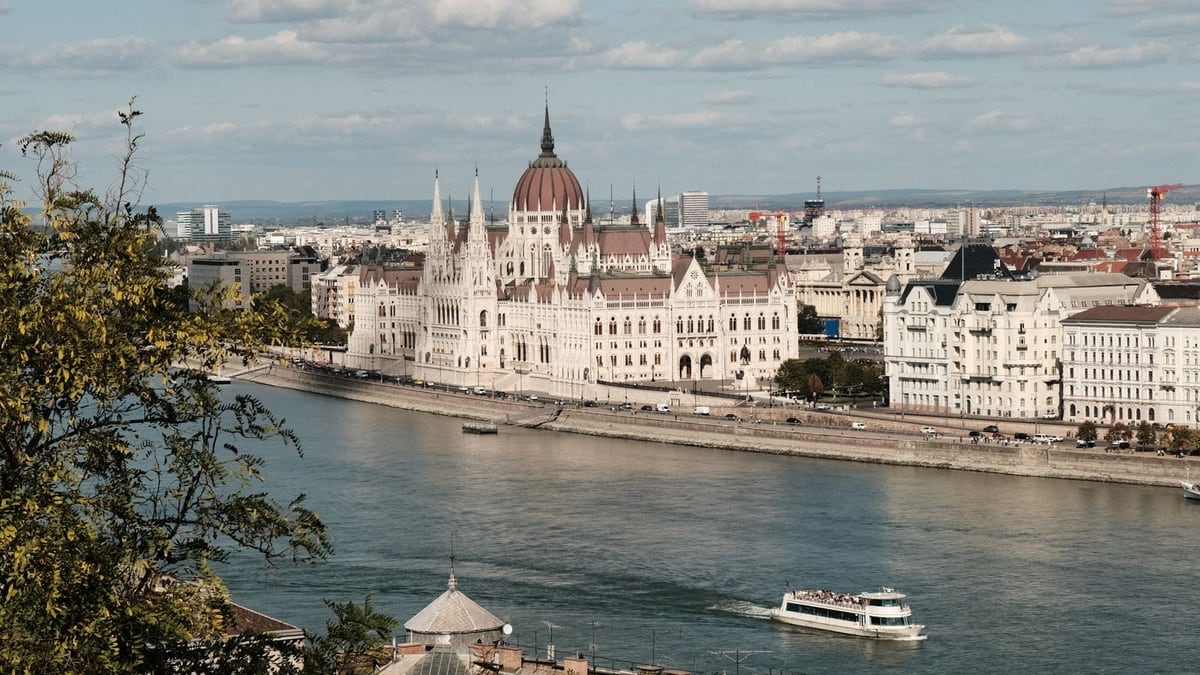
Budapest, Hungary’s magnificent capital, is one of Central Europe’s most appealing destinations. Known as the Pearl of the Danube, it combines spectacular architecture, historic castles, thermal baths, vibrant neighborhoods, and breathtaking riverfront scenery.
The Danube divides the city into two historically distinct areas. Buda is known for hills, the Castle District, and panoramic viewpoints. Pest features the Hungarian Parliament Building, boulevards, shopping streets, restaurants, and lively nightlife.
Budapest can offer excellent value compared with more expensive European capitals, although costs depend on location, season, and activities. Before visiting, Americans should understand passport requirements, European entry rules, transportation, and tourist scams. This guide helps you plan a memorable and safer Hungarian vacation.
Hungary Passport Requirements for U.S. Citizens
Hungary belongs to the European Union and the Schengen Area. American tourists traveling on ordinary U.S. passports should meet the following entry requirements:
- Passport validity of at least three months beyond your planned departure from the Schengen Area.
- A passport generally issued within the previous ten years.
- Compliance with applicable Schengen entry requirements.
- Proof of accommodations, sufficient funds, and return or onward transportation if requested by border officials.
- Adequate blank passport pages, particularly when visiting other countries.
Although three additional months of validity is the usual minimum, renewing well before expiration can reduce travel problems. Hungarian authorities may request original identification. Follow the U.S. Embassy’s advice to carry your passport.
Do Americans Need a Visa to Visit Hungary?
American citizens with ordinary U.S. passports generally do not need a tourist visa for stays of up to 90 days within any rolling 180-day period. This allowance applies to the entire Schengen Area, not separately to Hungary.
For example, 15 days in Germany, 10 in Austria, and 10 in Czechia use 35 days of your allowance. You would ordinarily have 55 days remaining within the same rolling 180-day period. Traveling to Hungary does not reset the clock. Verify the appropriate rules for longer stays, employment, or study.
Hungary has a special bilateral arrangement that may permit certain U.S. citizens an additional stay within Hungary under strict conditions. It is not a general extension of the Schengen 90/180-day allowance and does not authorize onward travel elsewhere in Schengen. Obtain current official guidance before relying on it.
ETIAS and Europe’s New Entry Requirements
European Entry/Exit System (EES)
EES digitally records entry and exit information for many non-EU short-stay travelers at participating external Schengen borders. Depending on the circumstances, you may need to provide fingerprints and facial images. Allow additional time for immigration processing and check official guidance before departure.
ETIAS Travel Authorization
ETIAS is a separate travel authorization system planned for eligible visa-exempt travelers. As of October 25, 2026, it is not operational and is not accepting applications. Do not pay websites claiming that you must obtain an authorization immediately.
Is Budapest Safe for American Tourists?
At the time of this guide, Hungary carries a U.S. Department of State Level 1: Exercise Normal Precautions advisory. Budapest is generally safe, but remain aware of theft, tourist-targeted fraud, and nightlife risks. Use extra care on crowded transit, at railway stations and landmarks, in nightlife districts, and around busy markets and shopping streets.
The U.S. Embassy warns about overcharging, theft on international trains, and incidents involving drugged drinks. Use reputable transportation and avoid unfamiliar establishments recommended by strangers.
Best Time to Visit Budapest
- April–May — Spring sightseeing: Comfortable temperatures, flowering parks, riverside walks, outdoor cafes, and Buda Castle sightseeing.
- June–August — Summer: Long days, festivals, outdoor entertainment, and lively nightlife. Expect crowds and occasional heat waves that make long walks uncomfortable.
- September–October — Early fall: More comfortable temperatures, changing park colors, and potentially fewer crowds than peak summer.
- November–December — Christmas markets: Festive decorations, seasonal foods, and illuminated buildings. Confirm annual market dates and hours before booking.
- January–March — Winter baths and indoor attractions: Enjoy warm outdoor pools, museums, restaurants, and historic cafes during colder weather.
Best Things to Do in Budapest
1. Visit the Hungarian Parliament Building
This Danube-side Gothic Revival landmark is one of Budapest’s most recognizable buildings. Admire its exterior from the riverfront or join an official guided tour of selected interiors. Reserve early through official authorized channels: availability is limited and parliamentary events can affect tours.
2. Explore Buda Castle
Allow several hours for the Castle District’s palaces, churches, museums, scenic streets, and river views. Highlights include Buda Castle Palace, historic courtyards, the Budapest History Museum, the Royal Palace area, and viewpoints overlooking Pest.
3. Visit Fisherman’s Bastion
The towers, terraces, and decorative architecture offer spectacular views over the Danube, especially toward Parliament. Visit early in the morning for photography and to avoid some of the heaviest crowds.
4. Explore Matthias Church
Near Fisherman’s Bastion, Matthias Church is known for distinctive roof tiles, Gothic architecture, and its important role in Hungarian history. Check admission and opening hours, particularly around religious services.
5. Experience Széchenyi Thermal Bath
One of Budapest’s best-known bathing complexes offers indoor and outdoor pools in an impressive historic setting. Check official hours and ticket options, bring suitable swimwear, follow hygiene and facility rules, and confirm age or health restrictions. Book directly through the official website when possible.
Important: Gellért Thermal Bath Is Closed
Older guides often recommend Gellért, but the bath closed on October 1, 2025 for renovation, with reopening planned for 2028 according to its official notice. Do not plan a 2026 or 2027 visit around Gellért. Consider operating alternatives such as Széchenyi or Rudas, subject to current schedules and admission rules.
6. Walk Across the Széchenyi Chain Bridge
The Chain Bridge connects Buda and Pest and is one of the city’s most famous landmarks. Walking across it is a memorable way to enjoy Danube views and Budapest’s architecture.
7. Visit St. Stephen’s Basilica
The basilica’s magnificent interior and central location make it a popular stop. Designated panoramic viewpoints may be accessible, depending on opening hours and admission requirements.
8. Explore Heroes’ Square and City Park
Heroes’ Square commemorates important figures from Hungarian history. Nearby City Park offers green spaces, attractions, and access to Széchenyi Thermal Bath, making the area ideal for combining sightseeing and relaxation.
9. Discover Budapest’s Jewish Quarter
The neighborhood contains important historic and cultural landmarks as well as restaurants, nightlife, and ruin bars. Consider Dohány Street Synagogue and related heritage sites. Respect religious customs and check visitor schedules.
10. Enjoy a Danube River Cruise
A cruise offers a different perspective on Parliament, Buda Castle, Chain Bridge, and historic riverfront buildings. Illuminated landmarks are especially memorable at night. Compare operators and confirm exactly what your ticket includes.
Suggested Five-Day Budapest Itinerary
- Day 1 — Arrive and explore Pest: Transfer from Budapest Ferenc Liszt International Airport and check in. Explore St. Stephen’s Basilica, shopping streets, and the Danube waterfront. Enjoy a Hungarian dinner and keep arrival day flexible.
- Day 2 — Buda Castle District: Explore Buda Castle, Fisherman’s Bastion, and Matthias Church. Enjoy panoramic views and an evening riverfront walk.
- Day 3 — Parliament and historic Budapest: Visit Parliament, nearby squares, and central neighborhoods. Add the Jewish Quarter or a museum, then consider an evening Danube cruise.
- Day 4 — Baths and City Park: Visit Széchenyi Thermal Bath, explore City Park and Heroes’ Square, and dine at a traditional Hungarian restaurant.
- Day 5 — Markets, shopping, or a day trip: Visit Central Market Hall or missed neighborhoods, or take an excursion to Szentendre or another nearby historic town. Allow enough time for airport transportation if departing.
Where to Stay in Budapest
- District V — Best for first-time visitors: Belváros-Lipótváros offers central attractions, walking routes, restaurants, cafes, and transit. Expect higher prices and more tourist activity.
- District I — Best for historic atmosphere: The Castle District provides a quieter setting, historic architecture, and beautiful views.
- District VII — Best for nightlife: Erzsébetváros and the Jewish Quarter offer restaurants, bars, and nightlife. Some streets are noisy at night.
- District VI — Good for culture: Terézváros gives access to Andrássy Avenue, restaurants, shopping, and transportation.
- District XIII — Good for longer stays: Residential neighborhoods, cafes, and transit connections. Check the property’s exact location before booking.
How Much Does a Budapest Vacation Cost?
Budapest can offer good value compared with Western European capitals, but hotels and attractions in prime locations can be expensive. These are illustrative per-person planning allowances, excluding international airfare—not live prices.
- Accommodation per night — Budget: $40–$85; comfortable: $100–$190.
- Food per day — Budget: $20–$35; comfortable: $40–$75.
- Local transportation per day — Budget: $3–$10; comfortable: $8–$20.
- Attractions per day — Budget: $10–$30; comfortable: $25–$70.
- Daily total — Budget: $73–$160; comfortable: $173–$355.
Actual costs vary with exchange rates, season, room-sharing arrangements, and activities. Premium bath packages, private tours, and luxury cruises increase spending.
Budget Tips
- Book hotels ahead.
- Use public transportation.
- Compare thermal bath packages.
- Eat away from heavily visited streets.
- Avoid unnecessary currency conversions.
- Check museum admission combinations.
- Consider accommodations outside the busiest districts.
Currency in Budapest: Hungarian Forint
Hungary’s official currency is the Hungarian forint, abbreviated HUF. EU membership does not mean Hungary uses the euro. Some tourist businesses accept euros, but rates may be unfavorable. Use reputable financial institutions, compare exchange rates, and never change money with strangers on the street.
Budapest Public Transportation Guide
The BKK system includes metro lines, trams, city buses, trolleybuses, and selected suburban rail services. Check the coverage and rules of your ticket, particularly outside the city and on airport services.
Budapest Transportation Ticket Prices in 2026
- Single ticket — 500 HUF.
- 30-minute ticket — 600 HUF.
- 90-minute ticket — 850 HUF.
- 24-hour Budapest travelcard — 2,750 HUF.
- 72-hour Budapest travelcard — 5,750 HUF.
These prices match BKK’s published fare schedule checked for this guide. Individual tickets and travelcards have different conditions. Some single-journey tickets require a new ticket when changing vehicles; time-based tickets allow transfers under their own rules. Validate or activate tickets correctly to avoid a fine, and confirm current prices before buying.
Getting From Budapest Airport to the City Center
Airport Express Bus 100E
100E Airport Express connects Ferenc Liszt International Airport with central Budapest, including Deák Ferenc tér. The published standard airport shuttle ticket is 2,500 HUF. It is a special fare: ordinary 24-hour and 72-hour Budapest travelcards do not automatically cover the full 100E fare. Separate add-on tickets have eligibility conditions for certain pass holders; check BKK before relying on one.
Other Transportation Options
Other bus-and-metro connections and official taxis are available. Choose based on luggage, arrival time, hotel location, and convenience. Avoid unsolicited rides from unofficial drivers.
Common Tourist Scams in Budapest
1. Restaurant and Bar Overcharging
Some visitors report excessive food or drink bills, and serious incidents can involve pressure to withdraw money from ATMs. Review menus, avoid businesses without clear prices, be cautious about invitations from strangers, keep receipts, and report coercion or threats to police.
2. Taxi and Nightclub Referral Scams
Dishonest drivers may direct visitors to bars or clubs in exchange for commissions. Do not rely on unsolicited nightlife recommendations from drivers or strangers. Research venues independently.
3. Drink Spiking
Government guidance warns of drugged-drink incidents. Buy your own drinks from staff, keep them in sight, and avoid accepting drinks from strangers. Seek medical attention and report the incident immediately if you suspect spiking.
4. Pickpocketing on International Trains
The U.S. Embassy warns about theft on trains between Budapest, Vienna, Prague, and Bratislava. Secure valuables and do not leave bags unattended while sleeping or visiting the restroom.
5. ATM and Card Fraud
Use reputable bank ATMs, check for tampering, and review withdrawal fees and currency conversion options before proceeding. Decline a transaction if the fees or terms are unclear.
6. Unofficial Thermal Bath Ticket Sellers
Avoid unverified sellers. Confirm the official bath website and operating status before paying, especially because older guides may still promote closed facilities such as Gellért.
7. Fake Accommodation Listings
Be cautious of demands for payment outside recognized booking platforms. Verify hotel addresses, cancellation policies, and customer reviews before paying.
8. Fake ETIAS Application Websites
Applications are not being accepted as of October 25, 2026. Avoid commercial sites falsely claiming immediate authorization is required; use official EU information.
Traditional Hungarian Food to Try
- Hungarian goulash (gulyás): Beef, vegetables, paprika, and broth; often more soup-like than thicker goulash variations elsewhere.
- Chicken paprikash: Chicken in a rich paprika sauce, often served with dumplings.
- Lángos: Fried flatbread commonly topped with garlic, sour cream, and cheese.
- Fisherman’s soup (halászlé): Traditional spicy fish soup.
- Dobos torte: Layered sponge cake with chocolate buttercream and a caramel topping.
- Kürtőskalács: Sweet chimney cake sold at markets and food stands.
Day Trips From Budapest
- Szentendre — Colorful streets, galleries, and cafes; a popular nearby excursion.
- Visegrád — Historic citadel and views over the Danube Bend.
- Esztergom — An impressive basilica and an important place in Hungary’s religious history.
- Eger — Historic architecture, castle attractions, wine culture, and regional cuisine.
Travel times vary. Compare connections and consider whether a full day or overnight stay would be more comfortable.
Travel Insurance and Emergency Information
Consider travel medical insurance covering Hungary. Review emergency treatment, hospitalization, evacuation, cancellation, luggage protection, and adventure activities.
Emergency Numbers
112 — General emergency services, including English-speaking emergency responders.
U.S. Embassy Budapest
Szabadság tér 12, H-1054 Budapest, Hungary. Telephone: +36 1 475 4400. Save the embassy’s details before departure.
Passport and Visa Photos for Hungary Travel
Many American tourists qualify for visa-free travel, but other nationalities may need a Schengen visa and photographs meeting specific government requirements.
Prepare Your Passport or Visa Photo Online
Free Passport Snap helps travelers prepare photos from home through their web browser. Supported specifications cover 195 countries, with resizing, background removal and adjustment, digital preparation, and print-ready layouts. No watermark or registration is required.
Always compare your finished photo with the issuing government’s exact specifications; photo preparation does not guarantee acceptance. Free Passport Snap is independent and does not issue passports, visas, or travel authorizations.
Budapest Travel FAQ
Do Americans need a visa for Budapest?
Generally, no. U.S. citizens with ordinary passports can visit for tourism for up to 90 days within any rolling 180-day Schengen period without a tourist visa.
How long must my passport be valid?
At least three months beyond your planned departure from the Schengen Area, subject to other entry requirements.
Is Budapest expensive?
It can be more affordable than several Western European capitals, although central hotels and premium attractions can be expensive.
Is Budapest safe for tourists?
At the time of this guide, Hungary has a Level 1 U.S. advisory. Take precautions against theft, overcharging, and nightlife scams, and review updated advice before traveling.
How many days should I spend in Budapest?
Three days covers major landmarks; four or five allows thermal baths, additional neighborhoods, and excursions.
Can I visit Budapest, Vienna, and Prague on the same trip?
Yes. All are in Schengen and connected by international train services. Time in each country counts toward the same Schengen stay allowance.
What currency does Budapest use?
The Hungarian forint (HUF), not the euro.
Which thermal bath should I visit?
Széchenyi is popular, and Rudas is another historic choice. Check current opening and admission rules. Gellért is closed for renovation, with reopening planned for 2028.
Do Americans need ETIAS for Budapest?
As of October 25, 2026, ETIAS is not operational. Check the official EU website before future travel.
Final Budapest Vacation Checklist
- Verify passport validity.
- Review Schengen entry requirements and remaining stay allowance.
- Check ETIAS and EES updates.
- Book accommodations.
- Confirm thermal bath hours and closures.
- Reserve popular attraction tickets.
- Research airport transportation.
- Check currency exchange rates.
- Review tourist scams.
- Consider international travel insurance.
- Save emergency contacts.
- Prepare any required passport or visa photos.
Final Thoughts: Plan an Unforgettable Budapest Vacation
Budapest combines historic landmarks, beautiful river scenery, thermal baths, traditional food, and vibrant neighborhoods. From Fisherman’s Bastion and Parliament to Széchenyi’s pools, it offers a distinctive European experience. A successful trip starts with checking documents, researching accommodation, understanding transport, and staying alert to common scams.
Get passport and visa photos ready for supported specifications in 195 countries, without watermarks or registration.
Create Your Free Passport Photo →Official Travel Resources
Disclaimer: Entry requirements, transport fares, attraction schedules, safety conditions, and immigration rules can change. Always verify current information through official sources. State Department guidance, EU border systems, transit fares, airport tickets, bath information, and embassy resources are linked in the relevant sections above.
Plan a Central European vacation
Previous
Baby Passport Photo With Eyes Closed: Is It Allowed?
Next
Cambodia Travel Guide 2026: Visa, e-Arrival, Scams & Trip Planning
You Might Also Like
Austria Travel Guide 2027: Best Places to Visit, Itineraries, Costs, Passport Rules & Tourist Scams
Explore Vienna, Salzburg, Hallstatt and the Austrian Alps with a balanced ten-day itinerary, seasonal advice, transport and budget guidance, passport rules and tourist scam precautions.
Denmark Travel Guide 2026: Passport, Visa, ETIAS, Scams & Trip Planning
Plan a Denmark vacation with current passport and Schengen rules, EES and ETIAS guidance, realistic costs, cycling and the tourist scams to watch for.
Finland Travel Guide 2027: Passport Requirements, Northern Lights, Costs and Scams
Plan a Finland vacation with Helsinki and Lapland highlights, northern lights advice, an eight-day itinerary, entry requirements, realistic budgets, transportation and scam precautions.