Baby Passport Photo With Eyes Closed: Is It Allowed?
Edited by Bobby Hess | FreePassportSnap.com
Author: FreePassportSnap
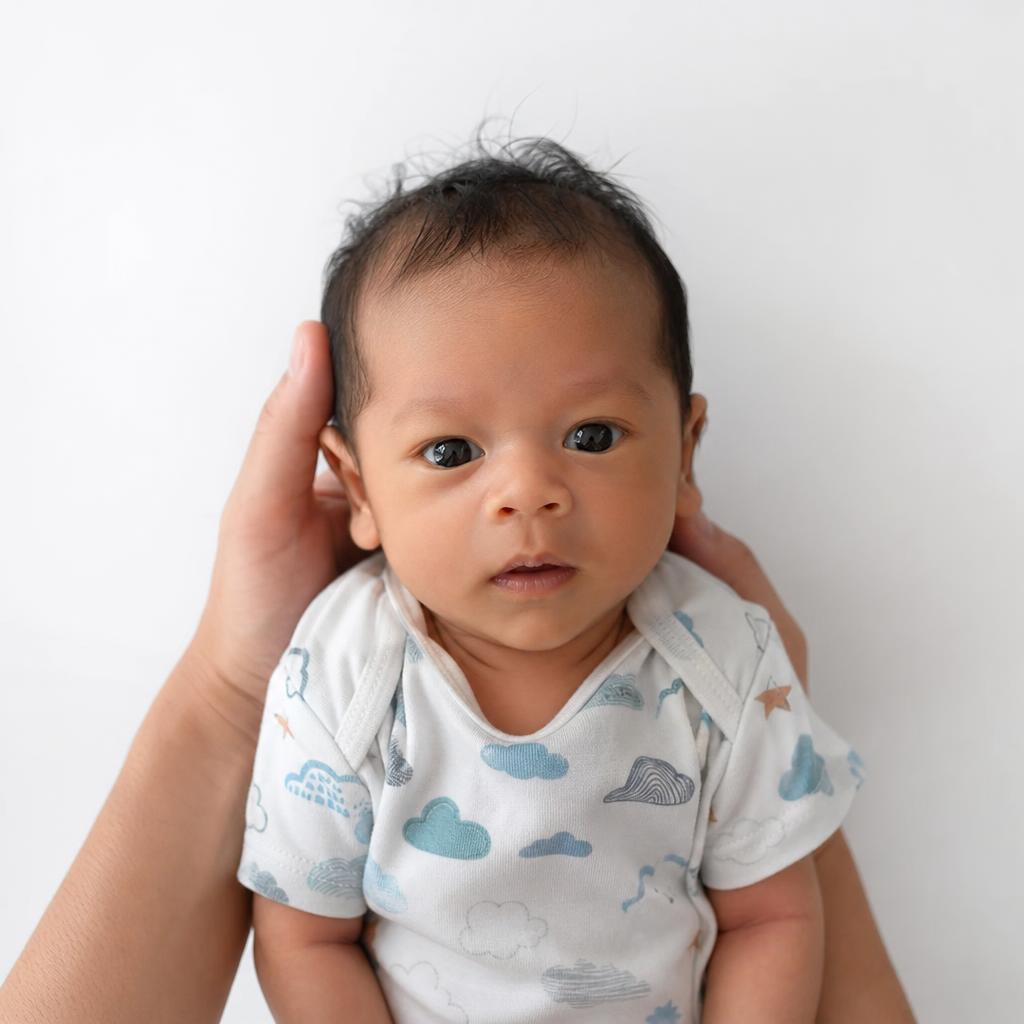
Photographing a newborn for a passport can be difficult. Fortunately, the State Department gives infants some flexibility: a baby's eyes do not have to be entirely open, though older children must have their eyes open.
Does That Mean Fully Closed Eyes Are Always Accepted?
Don't intentionally photograph a sleeping baby if you can reasonably get a photo with the eyes partially or fully open. The flexibility exists for newborns, but whenever possible, aim for both eyes to be visible.
How to Photograph a Newborn
The State Department suggests placing the baby on a plain white or off-white sheet, or covering a car seat with one. Make sure:
- No parent appears in the photo
- Hands are not supporting the baby's head within the frame
- There are no toys
- The baby's face is visible
- Shadows are minimized
- The background is plain
Don't Remove a Parent Digitally
If someone's hand or arm appears in the image, don't erase it with AI or photo-editing software. Retake the photograph instead — passport photos must be original and unaltered.
Baby Photo Size
A printed U.S. passport photograph is still 2 x 2 inches, and the normal photo-quality requirements also apply.
Bottom Line
The State Department understands newborns are difficult to photograph and specifically allows some flexibility with their eyes — but all other children should have their eyes open.
Use the official U.S. Department of State website for current instructions:
travel.state.gov — Passport PhotosA simple way to review the photograph before submitting
Judge the whole photograph, not only the eyelids. The official flexibility says a baby’s eyes need not be entirely open; it is not a blanket exemption from face visibility, lighting or image-quality requirements. Older children must have their eyes open. Do not digitally open eyes, reconstruct facial features or erase a supporting hand.
- Use a plain white or off-white surface and keep every other person out of the frame.
- Position the baby facing the camera with the full face visible and a neutral expression.
- Take several original photographs when the baby is settled, then select the clearest usable image.
- Check shadows, blur and printed size before preparing the application.
If an adult’s fingers, a toy or a blanket cover the face, retake the photo rather than treating the eye exception as permission to fix the image digitally. A compliant source photograph is more important than forcing a particular pose during a short attempt. The passport authority, not this website’s framing check, decides whether the submitted photo is acceptable.
FreePassportSnap.com helps you prepare a correctly sized baby passport photo from home — no watermark, no registration.
Create Your Free Passport Photo →Previous
Austria Travel Guide 2027: Best Places to Visit, Itineraries, Costs, Passport Rules & Tourist Scams
Next
Budapest, Hungary Travel Guide 2026–2027: Passport Requirements, Best Attractions, Vacation Costs & Tourist Scams
You Might Also Like
Can You Have Bangs, Long Hair, or Hair Over Your Ears in a U.S. Passport Photo?
Can you have bangs, long hair or hair over your ears in a U.S. passport photo? Learn the current passport hair rules and how to avoid a rejected photo.
Can You Wear Jewelry or Facial Piercings in a U.S. Passport Photo?
Can you wear earrings, a nose ring, necklace or facial piercings in a U.S. passport photo? Learn what the State Department allows.
Do You Need a New Passport After Losing Weight or Changing Your Appearance?
Lost weight, gained weight, grew a beard, or changed your hair? Learn when an appearance change requires a new U.S. passport.