Cambodia Travel Guide 2026: Visa, e-Arrival, Scams & Trip Planning
Edited by Bobby Hess | FreePassportSnap.com
Author: FreePassportSnap
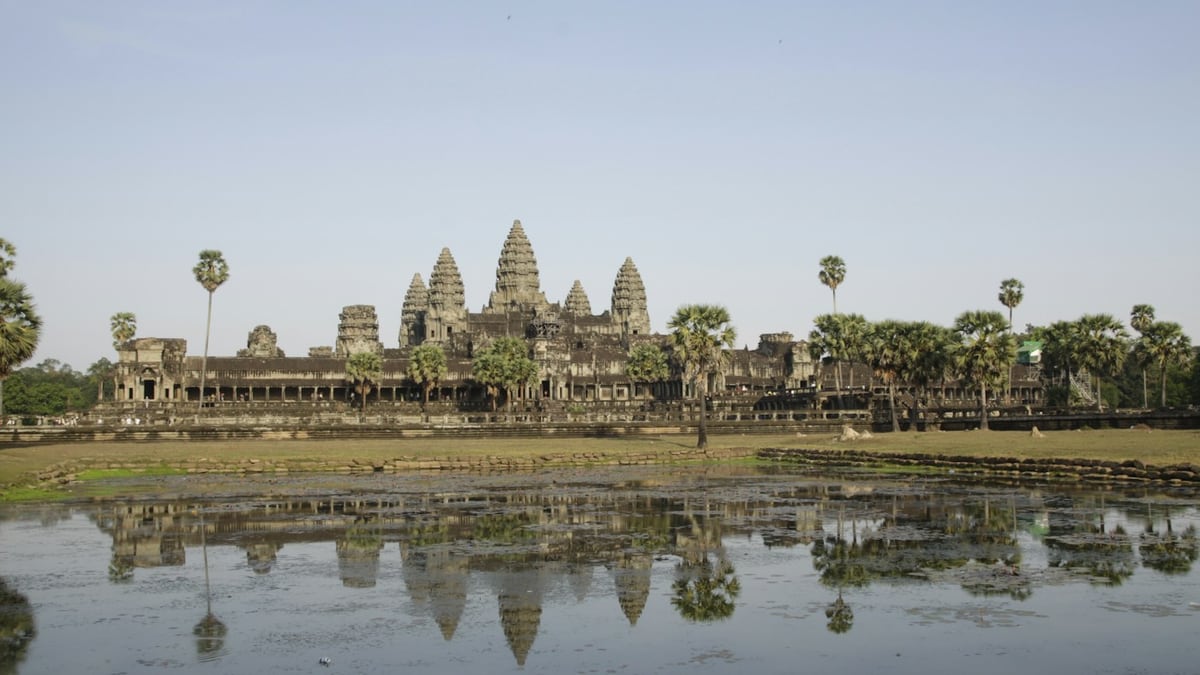
Cambodia is much more than a quick stop at Angkor Wat — Phnom Penh’s difficult modern history, riverside towns, pepper farms, colonial architecture and Gulf of Thailand islands all reward a longer visit. But it is also a destination where careful preparation matters: nearly all tourists need a visa, air arrivals must complete a separate electronic Arrival Card, road safety is poor, and the current security situation makes the Thailand border unsafe. Information checked September 21, 2026 — recheck official sources and your national travel advisory immediately before departure, since Cambodia’s border situation and entry procedures can change quickly.
Cambodia Entry Requirements at a Glance
- Passport validity: at least six months from the date of arrival, with the passport complete and undamaged.
- Blank pages: keep at least one completely blank visa page — two is safer.
- Tourist visa: most visitors need one, commonly the official Cambodian e-Visa or visa on arrival for eligible travelers and entry points.
- Length of stay: a tourist visa generally permits 30 days from entry — confirm the date stamped or recorded by immigration.
- e-Arrival Card: air travelers through designated international airports must submit Cambodia’s free electronic Arrival Card within seven days before arrival — it is separate from the visa.
- Thailand border: do not travel within 50 km of the Cambodia–Thailand border under the current U.S. advisory because of military tension and conflict risk.
- Cash declaration: foreign currency above US$10,000 must be declared under current guidance — verify before carrying a large amount.
Historical source record: September 21, 2026. Review scope and dates
Check the current U.S. State Department advisory for Cambodia before booking:
U.S. Department of State — Cambodia Travel AdvisoryCambodia’s e-Visa, Visa on Arrival, and the Free e-Arrival Card
Apply for the e-Visa only through the official Cambodian government site, and allow a one- to two-week buffer rather than applying at the last moment. Visa on arrival is available to eligible travelers at international airports and certain land crossings, but it adds processing time and unofficial fees have been reported at remote crossings — know the current price and ask for a receipt. Separately, air travelers through designated airports must submit the free electronic Arrival Card within seven days before arrival at the official portal; it combines arrival, immigration, customs and health information and does not replace a required visa. A site charging a fee to "approve," "expedite" or "guarantee" the e-Arrival Card is not the genuine government process.
Apply for Cambodia’s e-Visa only through the official government portal:
Official Cambodia e-Visa — evisa.gov.khThe Cambodia–Thailand Border Warning
The most important route-planning issue in 2026 is the Cambodia–Thailand frontier. The current U.S. advisory says not to travel within 50 km of the border because of ongoing tension between Cambodian and Thai forces, reports of civilian casualties and limited emergency assistance in the region. Do not plan an overland Thailand–Cambodia crossing, visit remote border temples, or assume a reported ceasefire means the area is safe — travel insurance may also exclude locations under a "do not travel" warning. Angkor Archaeological Park near Siem Reap is a different location from the immediate border zone, but Siem Reap province also carries an unexploded-ordnance warning, so stay on marked routes and established temple grounds.
Is Cambodia Safe to Visit in 2026?
Cambodia carries a current U.S. Level 2 advisory — Exercise Increased Caution — because of crime, unrest and unexploded ordnance, while the Thailand border zone is Level 4, Do Not Travel. Phnom Penh has a specific warning for phone and bag snatching in areas where foreigners gather. Most visitors travel without serious problems by using reputable transportation and avoiding high-risk areas, but never physically resist a robbery — a phone or bag is replaceable, and being pulled from a moving tuk-tuk is not worth the risk.
Most Common Tourist Scams in Cambodia
- Motorcycle bag and phone snatching — keep the phone out of sight near traffic and wear bags across the body, away from the road.
- Tuk-tuk fare switching and unwanted detours to commission-paying shops — confirm the total fare and destination before moving.
- Fake hotel or attraction "closures" that redirect you to a paying business — contact the hotel or attraction directly to verify.
- Fake or reused Angkor Wat passes from unofficial sellers — buy admission only through the official ticket channel.
- Border visa overcharging and unofficial "fast-track" or health-form fees — know the official fee, carry exact clean notes and request a receipt.
- Fake e-Visa and e-Arrival websites that mimic government colors — use only evisa.gov.kh and arrival.gov.kh.
- Counterfeit or damaged U.S. dollar notes — inspect every large bill before leaving the counter.
- ATM skimming and card retention — use bank-attached machines and shield the PIN.
- Fake job offers leading to scam-compound recruitment — never surrender a passport to an employer, and verify any job independently before travel.
- Drink spiking and methanol-contaminated alcohol — watch drinks being prepared and buy sealed products from reputable businesses.
If You Are Robbed or Scammed
- Do not chase or physically resist a robber — move to a safe, staffed location.
- Call police on 117 when appropriate and freeze cards through your bank’s official app or number.
- Report the incident and obtain a police report for insurance.
- Contact your embassy if the passport was stolen — a replacement passport may also require a Cambodian exit visa before departure.
Best Time to Visit and a Realistic 10-Day Itinerary
November–February is the cool, dry and most comfortable season for temple touring, but also the busiest and most expensive. March–May turns hot and humid, with Khmer New Year in April bringing crowds and heavy domestic travel. May–October is the rainy season — showers are often intense rather than continuous, and September–October can bring the heaviest rain. A realistic 10-day route avoids the Thailand border entirely: four days in Siem Reap for Angkor Wat, Angkor Thom, Bayon and Ta Prohm; three days in Phnom Penh for the Royal Palace, National Museum and a respectful visit to Tuol Sleng and Choeung Ek; and three days in Kampot and Kep for a relaxed river setting, pepper farms and coastal seafood.
Landmines, Budget, Money and Health
Cambodia remains affected by landmines and unexploded ordnance in rural, forested and former conflict areas, including parts of Battambang, Banteay Meanchey, Pursat, Siem Reap, Pailin and Preah Vihear provinces — stay on marked roads and established paths, and never touch a metal object or piece of military equipment. Daily budgets run roughly US$35–$65 for budget travel, US$80–$170 midrange and US$250+ for a comfortable trip. The Cambodian riel is the official currency, but U.S. dollars are widely used and change may come in either — carry small, clean notes and inspect large bills for counterfeits. Dengue is a year-round risk and dogs commonly carry rabies, so any bite or scratch needs immediate washing and urgent medical advice; buy insurance that covers medical evacuation, since serious injury may require transfer to another country.
Frequently Asked Questions
Do Americans need a visa for Cambodia in 2026? Yes — eligible travelers can commonly use the official e-Visa or visa on arrival, subject to entry-point rules, and the passport must have at least six months’ validity from arrival.
Is the e-Arrival Card the same as a visa? No — it is a separate, free pre-arrival submission for designated air arrivals and does not replace a required visa.
Is the Cambodia–Thailand border open and safe? Do not plan on it — the current U.S. advisory says not to travel within 50 km of the border because of ongoing military tension, and the situation can change suddenly.
Preparing your Cambodia e-Visa application? Use Free Passport Snap to create a correctly formatted passport or visa photo from home — completely free, with no watermark.
Create Your Free Passport Photo →Previous
Budapest, Hungary Travel Guide 2026–2027: Passport Requirements, Best Attractions, Vacation Costs & Tourist Scams
Next
Can You Have Bangs, Long Hair, or Hair Over Your Ears in a U.S. Passport Photo?
You Might Also Like

Japan Travel Guide 2026: Passport, Visa, Scams, Costs & Trip Planning
Plan a Japan trip with current passport and visa rules, Visit Japan Web guidance, realistic costs, train travel and the tourist scams to watch for.
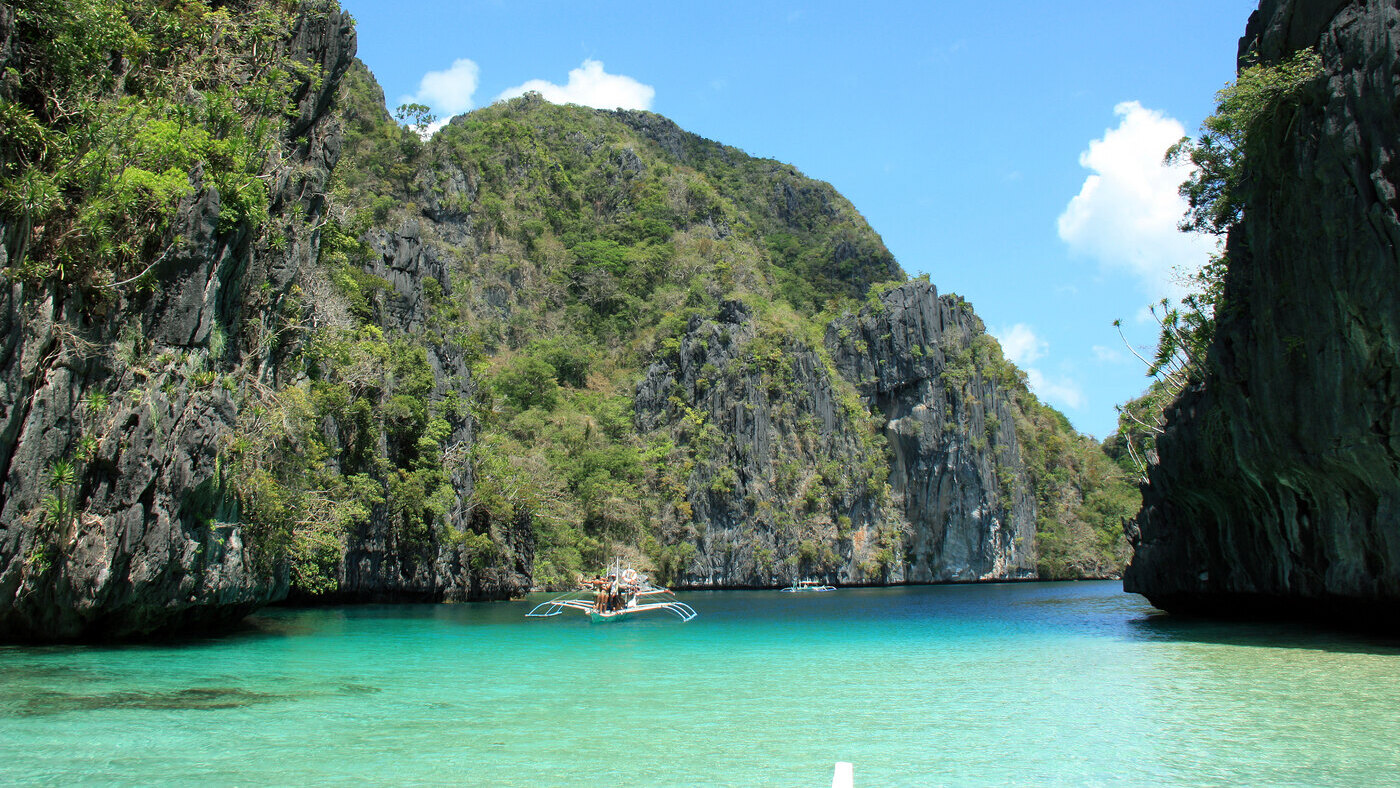
Philippines Travel Guide 2026–2027: Best Islands, Entry Requirements, Travel Costs & Tourist Scams
Explore Palawan, Boracay, Cebu, Bohol and Siargao with a practical island itinerary, passport and eTravel guidance, transportation, budgets, regional advisories and weather safety tips.
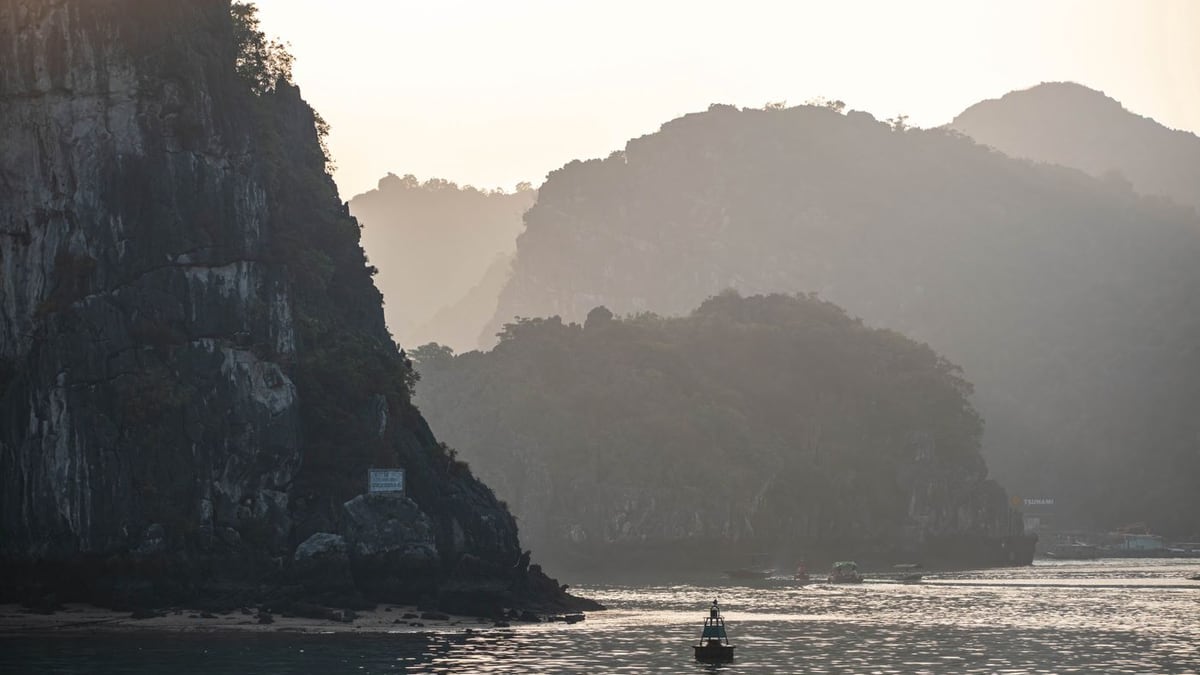
Vietnam Travel Guide 2026: Passport, E-Visa, Scams & Trip Planning
Plan a Vietnam vacation with current passport, e-visa and pre-arrival rules, budgets, transportation, safety advice and common tourist scams.