Prague Travel Guide 2026–2027: Best Things to Do, Passport Requirements, Travel Costs & Tourist Scams
Edited by Bobby Hess | FreePassportSnap.com
Last updated: October 26, 2026
Discover Prague: A Complete Vacation Planning Guide
Prague, the capital of the Czech Republic (also known as Czechia), is one of Europe's most beautiful and historically fascinating cities.
With its medieval architecture, Gothic churches, cobblestone streets, castles and famous bridges, Prague feels like a destination straight out of a fairy tale.
Unlike many European capitals, Prague's historic center survived much of the destruction of World War II, leaving behind an extraordinary collection of buildings spanning centuries.
Visitors can explore the enormous Prague Castle complex, walk across the iconic Charles Bridge, admire the Astronomical Clock and enjoy traditional Czech restaurants.
But planning a successful trip requires more than deciding which attractions to visit.
Travelers should also understand European passport requirements, transportation ticket rules, currency exchange risks and the latest travel scams targeting tourists.
This Prague travel guide covers everything visitors need to know for a memorable vacation in 2026 or 2027.
1. Best Things to Do in Prague
Prague Castle: The City's Most Famous Landmark
Prague Castle dominates the skyline above the Vltava River.
This enormous historic complex has served as a seat of power for Czech rulers and presidents.
The castle grounds contain several major attractions:
- St. Vitus Cathedral: An impressive Gothic cathedral with elaborate stained-glass windows.
- Old Royal Palace: Historic royal rooms and halls.
- Golden Lane: A narrow street lined with colorful historic houses.
- St. George's Basilica: One of Prague's notable Romanesque buildings.
- Castle Gardens: Beautiful views across Prague.
Allow at least half a day to explore the castle complex.
Some areas are free to enter, while historic buildings and exhibitions require paid admission.
Check official opening hours and ticket options before your visit.
Charles Bridge: Prague's Most Iconic Walk
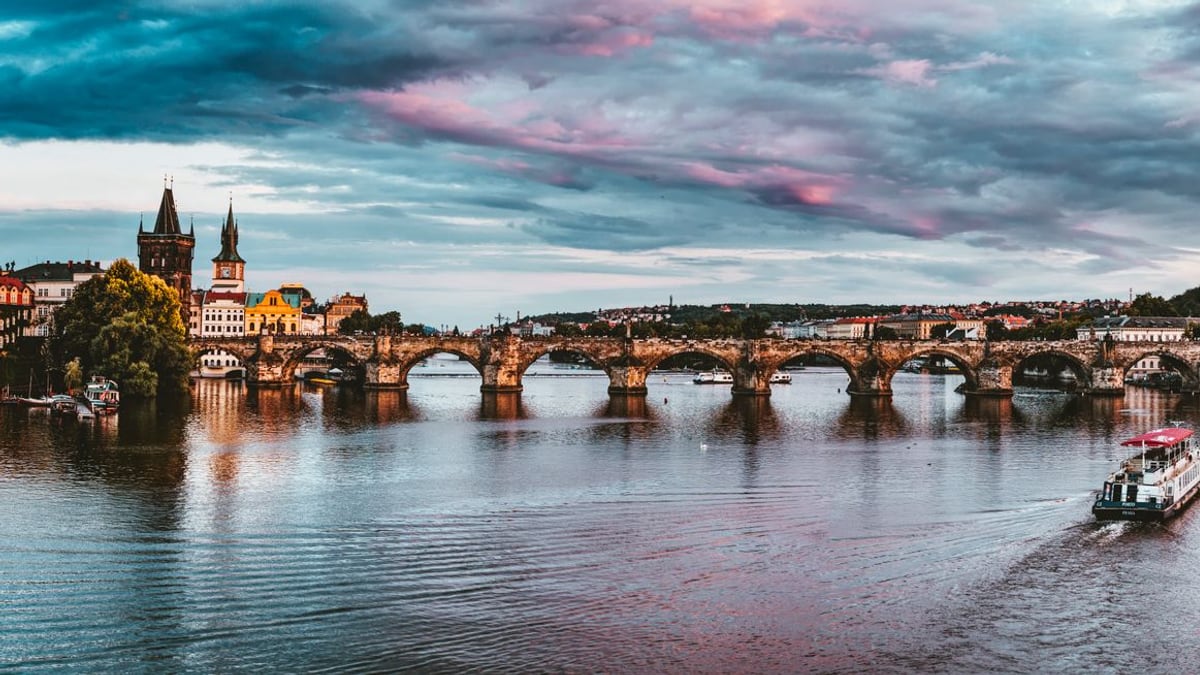
Charles Bridge connects Prague's Old Town with the Lesser Town district.
Completed over several centuries, this historic stone bridge is famous for its statues, towers and beautiful views of Prague Castle.
The bridge is especially popular at sunrise and sunset.
For a quieter experience, arrive early in the morning before larger sightseeing groups appear.
Photography tip: Sunrise often provides softer lighting and fewer crowds.
Old Town Square and the Astronomical Clock
Prague's Old Town Square is surrounded by colorful historic buildings, churches, cafés and architectural landmarks.
The square's most famous attraction is the Prague Astronomical Clock, located on the Old Town Hall.
Visitors gather throughout the day to watch its hourly mechanical display.
Other attractions nearby include:
- Church of Our Lady before Týn.
- Old Town Hall.
- Historic merchant buildings.
- Traditional restaurants.
- Seasonal markets.
The square is especially atmospheric during Christmas.
The Jewish Quarter: Josefov
Prague's Jewish Quarter preserves important parts of the city's Jewish history and heritage.
Highlights include the Old Jewish Cemetery, historic synagogues and the Jewish Museum.
Plan ahead because several attractions operate with religious holiday closures and specific visiting hours.
Visitors should approach these sites respectfully, recognizing their cultural and historical significance.
Malá Strana: Prague's Lesser Town
Malá Strana lies beneath Prague Castle on the western side of the Vltava River.
The neighborhood is known for Baroque architecture, narrow streets and romantic courtyards.
Popular places include:
- St. Nicholas Church.
- Lesser Town Square.
- Kampa Island.
- The Lennon Wall.
- Scenic streets leading toward Prague Castle.
Malá Strana is an excellent area for an afternoon of walking and photography.
Petřín Hill: Panoramic City Views
Petřín Hill offers gardens, walking paths and impressive views over Prague.
The Petřín Lookout Tower is one of the area's most recognizable attractions.
Visitors can walk up the hill or check the current status of the funicular service, which has been affected by reconstruction.
Avoid assuming that the funicular will be running during your travel dates.
Wenceslas Square
Wenceslas Square is one of Prague's major commercial and historic locations.
The square has played an important role in Czech political history, including the events of the Velvet Revolution.
Visitors will find shopping, restaurants, historic buildings and the National Museum nearby.
Vyšehrad Fortress
Vyšehrad is an excellent destination for travelers who want to explore beyond Prague's busiest tourist streets.
The historic fortress area features:
- Scenic river viewpoints.
- Historic walls and gates.
- The Basilica of St. Peter and St. Paul.
- The Vyšehrad Cemetery.
- Quiet parks and walking paths.
It is particularly attractive for travelers interested in photography and history.
2. Best Time to Visit Prague
Prague is a year-round destination, but each season offers a different experience.
Spring: March Through May
Spring brings improving temperatures, flowering gardens and generally fewer visitors than peak summer.
April and May are especially appealing for walking tours and outdoor sightseeing.
Summer: June Through August
Summer provides long daylight hours, outdoor dining and numerous cultural events.
However, popular attractions can become crowded.
Book central hotels and major guided tours early.
Autumn: September Through November
Autumn is an excellent season for sightseeing.
September and early October can offer pleasant walking weather, while late autumn brings cooler temperatures and changing foliage.
Winter: December Through February
Winter gives Prague a distinctive atmosphere.
Christmas markets, illuminated streets and historic architecture make December especially popular.
Temperatures can fall below freezing, and visitors should prepare for occasional snow and icy streets.
Best overall recommendation: May, September and early October are particularly attractive for travelers who want comfortable sightseeing conditions without the busiest summer crowds.
3. Prague Passport and Visa Requirements for U.S. Citizens
Prague is located in Czechia, a member of the European Union and the Schengen Area.
American citizens traveling for ordinary tourism generally do not need a visa for visits of up to 90 days within any rolling 180-day period.
Passport Requirements
U.S. travelers should have:
- A valid U.S. passport.
- Passport validity extending at least three months beyond the planned departure from the Schengen Area.
- A passport issued within the previous 10 years.
- At least two blank passport pages, as advised by the U.S. Department of State.
- Evidence of accommodation, sufficient funds and onward or return travel if requested.
Important: Schengen travel days are combined across participating countries.
For example, someone who spends 20 days in Italy, 15 days in France and 10 days in Czechia has used 45 days of their Schengen short-stay allowance.
The 90-day limit does not restart when crossing between Schengen countries.
Visitors planning work, extended study or stays exceeding 90 days should check the appropriate visa or residence requirements.
Official information:
U.S. Department of State — Czechia
4. Prague Travel Requirements and Changes for 2027
Several European travel developments deserve attention before planning a 2027 Prague vacation.
European Entry/Exit System (EES)
The Entry/Exit System became fully operational in April 2026.
It electronically registers covered non-EU travelers crossing external Schengen borders for short stays.
Travelers may be required to provide:
- Passport information.
- A facial image.
- Fingerprints.
- Entry and exit information.
Visitors should allow additional time for border processing, especially when connecting through another European airport.
ETIAS: Upcoming European Travel Authorization
ETIAS is a planned travel authorization system for eligible visa-exempt visitors, including American tourists.
It is not a traditional visa.
As of October 26, 2026, the official ETIAS system is not accepting applications.
Travelers planning trips in 2027 should verify its launch status before departure.
The published application fee is €20 for most applicants, with certain exemptions.
Important scam warning: Avoid websites claiming they can issue official ETIAS authorization before the system begins accepting applications.
Use the official European Union website:
https://travel-europe.europa.eu/etias
Transportation Fare Changes
Prague introduced updated public transportation fares on January 1, 2026.
Visitors should use current fare information when budgeting for 2027 rather than relying on older travel blogs.
Ticket prices, attraction admission charges and accommodation fees should be reconfirmed before departure.
5. Five-Day Prague Vacation Itinerary
Day 1: Discover Historic Prague
Start your vacation in Old Town Square.
Visit the Astronomical Clock and explore the surrounding streets.
Walk toward Charles Bridge and enjoy the views over the Vltava River.
Finish with dinner at a traditional Czech restaurant.
Day 2: Explore Prague Castle
Spend the morning exploring the castle complex.
Visit St. Vitus Cathedral and Golden Lane.
Continue through Malá Strana, stopping at St. Nicholas Church and Kampa Island.
End your day with a scenic riverside walk.
Day 3: History, Museums and City Views
Explore the Jewish Quarter and its historic sites.
Visit Wenceslas Square and the National Museum area.
If time permits, visit Petřín Hill for panoramic views.
Day 4: Explore Prague Beyond the Main Tourist District
Visit Vyšehrad Fortress and enjoy its quieter surroundings.
Spend the afternoon exploring local neighborhoods, cafés and markets.
Consider an evening classical music performance at a recognized concert venue.
Day 5: Take a Day Trip From Prague
Choose one nearby destination.
Option 1: Kutná Hora
Explore this historic town, famous for St. Barbara's Cathedral and the Sedlec Ossuary, often called the Bone Church.
The train journey from Prague typically takes approximately one hour.
Option 2: Karlštejn Castle
Visit the dramatic Gothic castle built during the reign of Charles IV.
Travelers can reach the nearby town by train, followed by a walk uphill toward the castle.
Option 3: Stay in Prague
Spend an additional day exploring galleries, museums, parks and neighborhoods away from the main sightseeing routes.
For first-time visitors, four or five days is a comfortable amount of time to discover Prague without rushing.
6. Getting Around Prague
Prague has an efficient public transportation system consisting of metro trains, trams, buses and trolleybuses.
Most visitors do not need to rent a car.
Prague Public Transportation Ticket Prices
The official 2026 adult fares are:
- 30 minutes — Mobile app: 36 CZK — Paper ticket: 39 CZK
- 90 minutes — Mobile app: 46 CZK — Paper ticket: 50 CZK
- 24 hours — Mobile app: 140 CZK — Paper ticket: 150 CZK
- 72 hours — Mobile app: 340 CZK — Paper ticket: 350 CZK
These are the rates published by Prague Integrated Transport for the 2026 tariff. Confirm prices again before traveling in 2027.
Tickets are available through official sales channels, including the PID Lítačka mobile application.
Critical Ticket Validation Rule
Paper tickets that require validation must be stamped when first entering the system or boarding the vehicle.
Mobile tickets must be activated and valid before travel, including any required activation waiting period.
Inspectors conduct checks, and traveling without a valid ticket can result in substantial fines.
This is a common source of unexpected expenses for visitors who do not understand the ticketing system.
Getting From Prague Airport to the City
Václav Havel Airport Prague is the city's main international airport.
Two convenient transportation options include:
Public transportation
Take trolleybus line 59 to Nádraží Veleslavín and transfer to metro line A.
This is generally an economical option for travelers with manageable luggage.
Airport Express
The Airport Express provides a direct connection to Prague's main railway station.
The published 2026 adult fare is 200 CZK.
Travelers can also use the airport's official contract taxi service.
7. How Much Does a Prague Vacation Cost?
Prague can offer good value compared with some Western European capitals, but central hotels and major tourist attractions are not necessarily inexpensive.
The official Czech tourism website gives an indicative hotel-room range of approximately 2,500–4,500 CZK per night for ordinary hotels.
Actual rates vary by season, location and booking date.
Travel expenses typically include:
- Accommodation.
- Food and drinks.
- Public transportation.
- Museum and castle admission.
- Guided excursions.
- Airport transfers.
How to Save Money in Prague
Choose accommodation near a metro or tram route instead of paying extra to stay directly beside Old Town Square.
Use public transportation rather than taxis for routine sightseeing.
Eat at restaurants slightly outside the most heavily visited streets.
Look for daily lunch specials, often called denní menu.
Consider the official Prague Visitor Pass only after comparing its price with the attractions you actually intend to visit.
Book accommodation early for Christmas and major events.
8. Currency in Prague: Avoid Costly Exchange Mistakes
One of the most important things to understand before visiting Prague is its currency.
The Czech Republic uses the Czech koruna (CZK), not the euro.
Although some tourist businesses accept euros, their conversion rates may be unfavorable.
Safe Currency Exchange Tips
- Use reputable banks or clearly identified exchange providers.
- Check the amount of Czech currency you will receive before completing a transaction.
- Avoid exchanging money with strangers on the street.
- Review ATM fees before accepting a withdrawal.
- Consider using a bank-operated ATM.
- When offered currency conversion on a payment terminal, compare the cost of paying in Czech koruna versus your home currency.
Keep payment receipts and review card transactions for unexpected charges.
9. Tourist Scams to Avoid in Prague
Prague is generally safe, but visitors should understand several tourist scams and common theft risks.
The U.S. Department of State specifically warns travelers about pickpocketing, taxi overcharging, currency exchange scams, ATM skimming and other financial fraud.
Scam 1: Unfavorable Currency Exchange Offers
Currency exchange scams are a particularly important concern.
Some exchange providers offer poor rates, while strangers may approach tourists offering supposedly favorable deals.
How to avoid it:
Never exchange money with someone approaching you on the street.
Use established providers and verify the exact amount you will receive before handing over cash.
Scam 2: Taxi Overcharging
Some taxi drivers charge tourists excessive fares, particularly in busy sightseeing areas.
Prague's official tourism organization recommends booking taxis in advance because hailing one on the street can cost more.
How to avoid it:
Use recognized booking services or taxi applications.
Confirm the estimated fare before departure and ensure the meter is used when appropriate.
Keep your receipt.
Scam 3: Pickpocketing on Public Transportation
Organized pickpocketing can occur on crowded trams, metro trains and other transportation services.
Thieves may take advantage of passengers managing luggage or taking photographs.
How to avoid it:
Keep wallets, phones and passports secured in inner pockets or closed bags.
Pay particular attention in crowded stations and tourist areas.
Scam 4: ATM Skimming and Excessive Fees
Some ATMs can charge substantial fees or provide unfavorable conversion options.
Card-skimming equipment has also been reported.
How to avoid it:
Use ATMs in secure locations, inspect the machine before use and cover the keypad when entering your PIN.
Scam 5: Restaurant and Bar Overcharging
Tourists should be careful when ordering from menus that do not clearly identify prices.
Unexpected charges can include expensive drinks, service fees or items not ordered.
How to avoid it:
Review the menu before ordering, verify the final bill and keep your receipt.
Scam 6: Unnecessary Travel Documentation Services
Some websites market expensive services for visas or European travel authorizations that tourists may not need.
How to avoid it:
Confirm passport and visa requirements using official government websites.
Do not purchase ETIAS authorization while the official application system is not operational.
Scam 7: Fake Accommodation Payment Requests
Fraudsters may impersonate accommodation providers and request urgent payment through an unfamiliar website or payment link.
How to avoid it:
Contact the hotel directly through a verified phone number or official booking platform.
Do not transfer money based solely on an unexpected message.
Scam 8: Misleading Tour Offers
Some sightseeing operators advertise unusually low prices without clearly explaining exclusions or additional fees.
How to avoid it:
Verify the business, read cancellation policies and confirm what is included before paying.
Scam 9: Theft Around Busy Attractions
Large crowds around Charles Bridge, Old Town Square and major transportation hubs can create opportunities for theft.
Avoid leaving bags unattended on restaurant chairs or café tables.
Scam 10: Online Financial and Romance Fraud
The U.S. Department of State also warns about online financial scams, including individuals requesting money after establishing a supposed personal or romantic relationship.
Never send money to someone whose identity and circumstances cannot be independently verified.
10. Is Prague Safe for American Tourists?
As of October 2026, the U.S. Department of State classifies Czechia as Level 1: Exercise Normal Precautions.
This means travelers should use ordinary safety measures while remaining alert to petty crime.
Useful precautions include:
- Keep valuables secure.
- Avoid poorly reviewed currency exchanges.
- Book transportation through reliable services.
- Watch belongings in crowded locations.
- Avoid confrontations with suspected thieves.
- Purchase appropriate travel medical insurance.
- Monitor local advisories.
Czech police can request identification, and the U.S. Department of State advises travelers to carry their original passport.
Visitors should also remember that trams have priority at some crossings and drivers are subject to strict alcohol restrictions.
Emergency Numbers in Prague
- 112: General emergencies.
- 158: Police.
- 155: Medical emergencies.
- 150: Fire services.
The U.S. Embassy in Prague can assist American citizens with emergencies, including lost or stolen passports.
11. Traditional Czech Food to Try in Prague
Prague offers numerous opportunities to experience traditional Czech cuisine.
Popular dishes include:
Svíčková: Marinated beef served with a creamy sauce and bread dumplings.
Guláš: A hearty meat stew commonly served with dumplings.
Vepřo knedlo zelo: A traditional dish of roasted pork, dumplings and cabbage.
Smažený sýr: Fried cheese, often served with potatoes or fries.
Koláče: Traditional Czech pastries with sweet fillings.
Czech beer: Czechia is famous for its brewing traditions, and Prague offers historic pubs and modern breweries.
Visitors will also encounter trdelník, a sweet pastry popular in tourist areas. Although heavily marketed in Prague, it should not be mistaken for a uniquely traditional Prague specialty.
12. Best Areas to Stay in Prague
Old Town
Best for first-time visitors who want to stay close to major attractions.
Advantages include walkability, restaurants and historic surroundings.
Disadvantages include higher prices and busy streets.
Malá Strana
Best for couples, architecture lovers and travelers seeking a historic atmosphere near Prague Castle.
Vinohrady
A popular residential district with cafés, restaurants and good public transportation connections.
Excellent for travelers wanting to stay outside the busiest tourist areas.
Karlín
A modern neighborhood with restaurants, cafés and convenient transit connections.
New Town
Offers a mixture of hotels, shopping, historic attractions and transportation options.
When choosing accommodation, consider walking distance to a metro or tram stop rather than focusing only on distance from Old Town Square.
13. Essential Prague Travel Checklist
Before leaving home:
- Check your passport's expiration date.
- Confirm your remaining Schengen travel allowance.
- Verify the latest ETIAS status.
- Review the current U.S. travel advisory.
- Purchase travel medical insurance.
- Reserve accommodation through a reputable provider.
- Check current public transportation fares.
- Save hotel contact information.
- Confirm airport transfer arrangements.
- Bring comfortable walking shoes.
- Keep copies of your travel documents.
- Consider enrolling in the Smart Traveler Enrollment Program.
14. Prague Travel Frequently Asked Questions
Do Americans need a visa for Prague in 2027?
U.S. tourists generally do not need a traditional visa for ordinary visits of up to 90 days within any rolling 180-day Schengen period. ETIAS may become an additional requirement once the planned system starts operating.
Is Prague safe to visit?
Prague is generally safe, but visitors should watch for pickpocketing, taxi overcharging and financial scams.
What currency should tourists use in Prague?
The official currency is the Czech koruna (CZK). Paying in local currency is generally preferable to relying on euro acceptance at tourist businesses.
How many days do you need in Prague?
Three days is enough to see many major attractions. Four or five days allows more relaxed sightseeing and a possible day trip.
Is Prague expensive?
Costs vary considerably. Public transportation is relatively affordable, while hotels in central tourist districts can be expensive during busy periods.
What is the best month to visit Prague?
May, September and early October are excellent choices for pleasant sightseeing conditions. December is popular for Christmas markets and festive decorations.
Can you visit Prague and Vienna on the same trip?
Yes. Prague and Vienna are connected by international rail services and can be combined during a Central European vacation.
Can you visit Prague and Germany on the same trip?
Yes. Prague has rail and road connections with Germany, including routes to Dresden and Berlin.
Final Thoughts: Planning the Perfect Prague Vacation
Prague is one of Europe's most rewarding destinations for travelers interested in architecture, history, culture and memorable city experiences.
Its medieval streets, famous bridges, historic castles and traditional restaurants make it an outstanding destination for first-time European visitors and experienced travelers alike.
A successful Prague vacation begins with careful planning.
Before traveling in 2027, confirm European entry requirements, passport validity and the latest transportation rules.
Visitors should also understand how local currency works and recognize common tourist scams before arriving.
Prepare Your Passport Photo Before Traveling
A valid passport is one of the most important documents for international travel.
If you are applying for or renewing a passport, prepare a photo that follows the issuing country's current requirements.
At FreePassportSnap.com, travelers can create passport and visa photos online using country-specific sizing tools.
The free service provides background editing, resizing and print-ready photo downloads without watermarks, with photographs processed directly in the user's browser.
Plan ahead, protect your travel documents and enjoy discovering the extraordinary history and beauty of Prague.
Official Sources and Travel Resources
Previous
Prague and Vienna in One Trip: The Ultimate 8-Day Central Europe Itinerary for 2026–2027
Next
Renew Your U.S. Passport Online: Use the Official Website and Avoid Unnecessary Fees
You Might Also Like
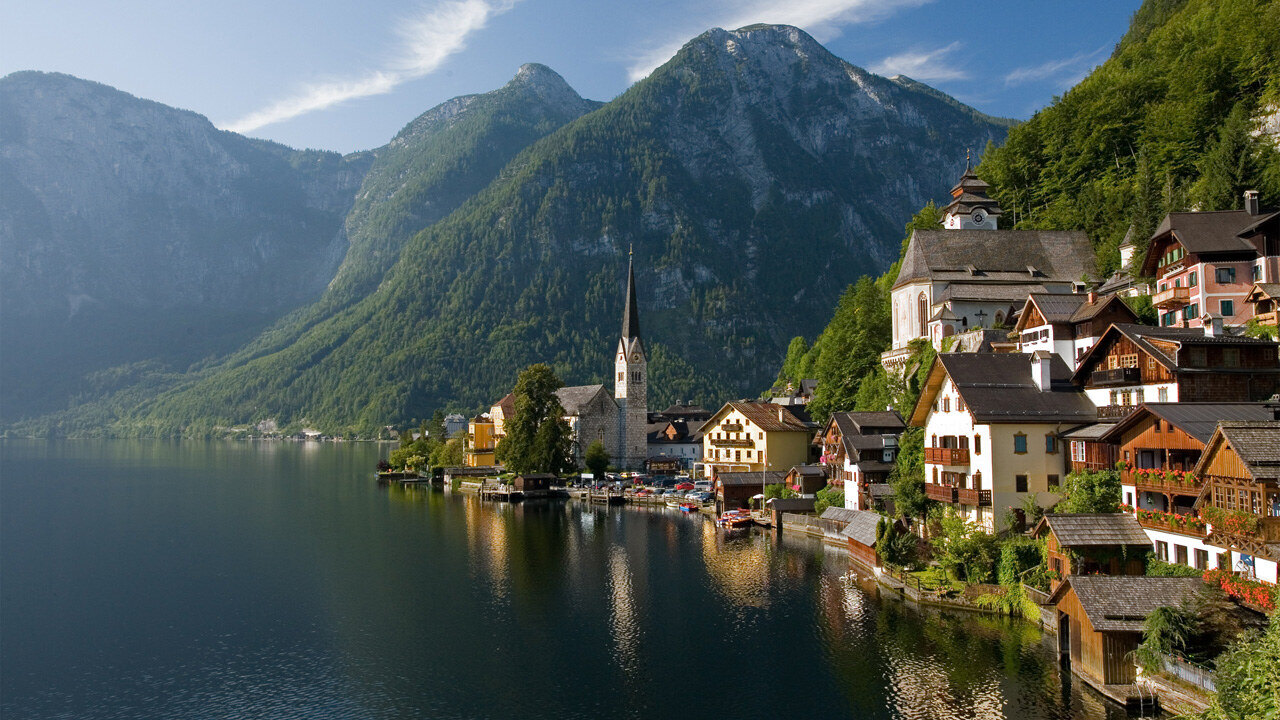
Austria Travel Guide 2027: Best Places to Visit, Itineraries, Costs, Passport Rules & Tourist Scams
Explore Vienna, Salzburg, Hallstatt and the Austrian Alps with a balanced ten-day itinerary, seasonal advice, transport and budget guidance, passport rules and tourist scam precautions.
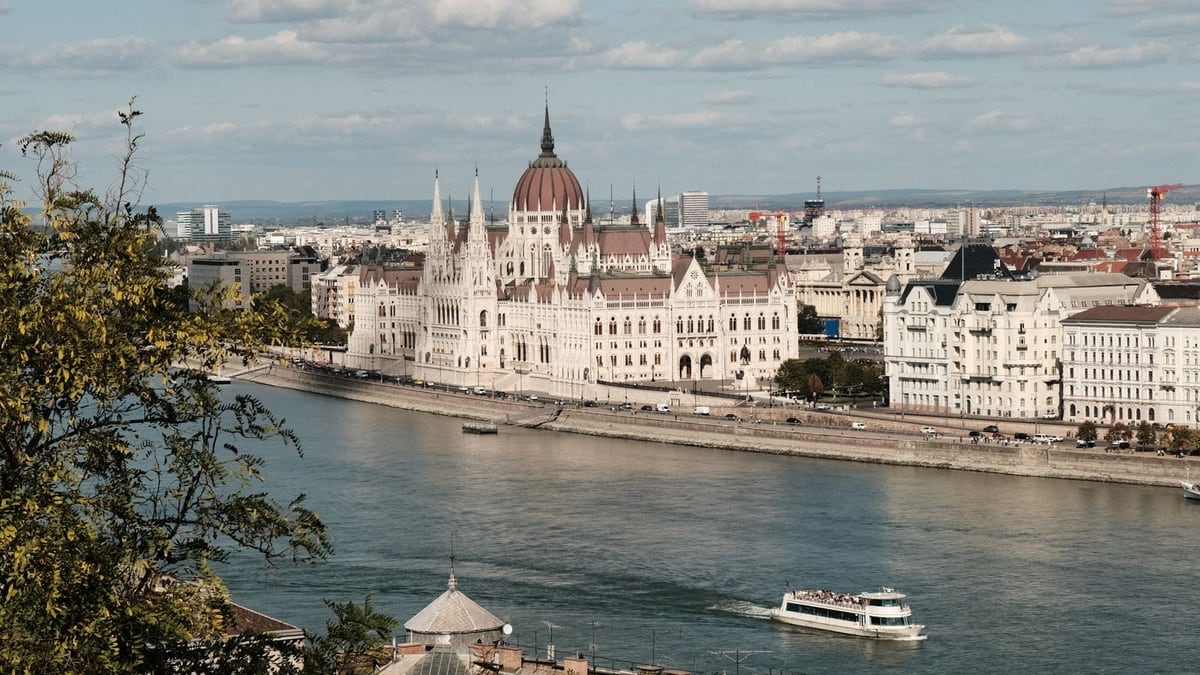
Budapest, Hungary Travel Guide 2026–2027: Passport Requirements, Best Attractions, Vacation Costs & Tourist Scams
Plan your Budapest vacation with passport and visa requirements, thermal baths, a five-day itinerary, hotel districts, daily budgets, public transportation, and tourist scam advice.
Prague and Vienna in One Trip: The Ultimate 8-Day Central Europe Itinerary for 2026–2027
Combine Prague and Vienna in eight days with a day-by-day route, direct train advice, hotel neighborhoods, two-country budgets, passport requirements, and scam prevention.