Prague and Vienna in One Trip: The Ultimate 8-Day Central Europe Itinerary for 2026–2027
Edited by Bobby Hess | FreePassportSnap.com

Visit Two of Europe’s Most Beautiful Cities on One Vacation
Should you visit Prague or Vienna? You do not have to choose. Prague, Czechia, and Vienna, Austria, are close enough to combine in one vacation, with magnificent architecture, centuries of history, exceptional food, and cultural attractions.
Prague offers medieval streets, Gothic towers, historic bridges, and a romantic Old World atmosphere. Vienna brings imperial palaces, grand boulevards, classical music, museums, and elegant coffeehouses. Direct international trains make traveling between them practical. This eight-day itinerary covers sightseeing, hotels, transportation, budgets, scams, and passport rules for American citizens.
Read the complete city guides
Prague vs. Vienna: What Makes Each City Special?
- Country and currency — Prague: Czechia, Czech koruna (CZK). Vienna: Austria, euro (EUR).
- Landmarks — Prague Castle and Charles Bridge versus Schönbrunn and the Hofburg.
- Architecture — Prague: Gothic, medieval, and Baroque. Vienna: Imperial, Baroque, and Art Nouveau.
- Food — Prague: Goulash, dumplings, and Czech beer. Vienna: Schnitzel, strudel, and coffee.
- Atmosphere — Prague is historic and romantic; Vienna is imperial and elegant.
- Costs — Prague is often less expensive, while Vienna’s central hotels and major attractions can cost more.
- Best for — Medieval sightseeing in Prague; palaces, art, and music in Vienna.
Passport and Visa Requirements for Visiting Prague and Vienna
Both Czechia and Austria belong to the Schengen Area. Travelers using ordinary U.S. passports generally need validity of at least three months beyond intended departure from Schengen, a passport issued within the previous ten years, sufficient blank pages, and compliance with immigration rules. The U.S. Department of State lists two blank pages for entry into both countries.
Do Americans Need Two Visas?
Generally, no. Eligible American citizens visiting for ordinary tourism can normally travel visa-free for up to 90 days within any rolling 180-day Schengen period. The allowance covers both countries together. Four days in Prague plus four in Vienna uses approximately eight days—not separate national allowances. Entry and exit days count toward your total stay.
ETIAS and EES
EES records entry and exit information at participating external Schengen borders for many non-EU short-stay travelers. ETIAS is separate and, as of October 25, 2026, is not operational or accepting applications. Check official EU guidance before travel and avoid websites claiming immediate ETIAS payment is required.
Is It Better to Start in Prague or Vienna?
Either direction works. Starting in Prague offers potentially lower hotel costs, a walkable historic center, medieval architecture, and an easy direct train onward. Finishing in Vienna provides imperial landmarks, museums, concerts, and elegant restaurants at the end of your trip.
Airline prices should influence your choice. Compare multi-city flights arriving in Prague and departing Vienna with the reverse direction. An open-jaw ticket can eliminate the need to return to your original arrival city.
Eight-Day Prague and Vienna Vacation Itinerary
Day 1: Arrive in Prague
Arrive at Václav Havel Airport, clear immigration, transfer to your hotel, and check in. Depending on arrival time, spend the afternoon around Old Town Square, the Astronomical Clock, and nearby historic streets. Enjoy a Czech dinner and keep the day relaxed after a long international flight.
Day 2: Prague Castle and Charles Bridge
Begin at Prague Castle, exploring St. Vitus Cathedral, the Old Royal Palace, Golden Lane, and historic courtyards. Walk downhill through Malá Strana and cross Charles Bridge for views of the Vltava. Spend the evening in Old Town or at a neighborhood restaurant.
Day 3: Prague’s History and Culture
Start in the Jewish Quarter. Consider the Old-New Synagogue, Spanish Synagogue, Jewish Museum sites, and Old Jewish Cemetery, checking opening hours and admission arrangements. Explore Wenceslas Square and nearby streets in the afternoon, then enjoy Czech cuisine or a cultural performance.
Day 4: Prague’s Scenic Neighborhoods
Explore Vyšehrad’s historic grounds and river views in the morning. Visit Petřín Hill or Letná Park in the afternoon, or use the time for museums, shopping, and missed attractions. Verify the Petřín funicular’s operating status if you plan to use it. Prepare for the next day’s train journey.
Day 5: Travel From Prague to Vienna
Check out and travel to Praha hlavní nádraží, Prague’s main station. Take a direct international train to Wien Hauptbahnhof. Allow approximately four to four and three-quarter hours, depending on the service and timetable. After hotel check-in, explore St. Stephen’s Cathedral, Graben, Kohlmarkt, and historic coffeehouses. Finish with an Austrian dinner.
Day 6: Vienna’s Imperial Palaces
Dedicate the morning to Schönbrunn Palace and its gardens. Add the Gloriette viewpoint or another attraction if time permits. Return toward central Vienna in the afternoon to explore the Hofburg area and historic streets. Consider an opera or classical performance in the evening. Book timed attractions and performances ahead and avoid overloading this day.
Day 7: Vienna’s Museums and Culture
Begin at Belvedere Palace. Art lovers should consider Upper Belvedere’s important Austrian and international collections. Explore MuseumsQuartier or the historic center in the afternoon. Try Wiener Schnitzel, Tafelspitz, or another regional specialty for dinner.
Day 8: Final Vienna Sightseeing and Departure
Depending on your flight time, enjoy a coffeehouse breakfast, walk through the historic center, visit a neighborhood market, or explore the Prater. Leave sufficient time for Vienna International Airport. Construction affects normal airport rail routes during 2026–2027: check current connections before departure.
How to Travel From Prague to Vienna by Train
Direct international trains, including Railjet services, make rail one of the most practical ways to travel between the cities. Actual times depend on your departure, date, and engineering works.
- Departure — Praha hlavní nádraží, Prague, Czechia.
- Arrival — Wien Hauptbahnhof, Vienna, Austria.
- Approximate journey — Four to four and three-quarter hours.
- Direct services — Available; check the timetable for your selected date.
- Typical operators — České dráhy and ÖBB.
- Travel documents — Carry your valid passport and any required immigration documentation.
Where to Buy Train Tickets
Compare prices on the official Czech Railways and Austrian Federal Railways websites. Advance-purchase tickets can be cheaper than flexible fares close to departure, but discounts may restrict refunds or changes. Read the fare conditions before buying.
Should You Reserve Seats?
Reservations are recommended in busy periods, especially for families, groups, travelers with luggage, summer vacations, and holiday travel. Check whether seats are included in the ticket or must be reserved separately.
Is There Border Control Between Prague and Vienna?
Both countries are within Schengen, so routine passport checks are generally not required simply because you cross the border. Temporary border controls and police identity checks may still occur. Carry your passport and required immigration documents. Crossing between these countries does not reset the Schengen 90/180-day rule.
Where to Stay During Your Vacation
Prague: Four Nights
- Old Town — Excellent for sightseeing and walking.
- Malá Strana — Historic atmosphere and romantic scenery.
- Vinohrady — Cafes, restaurants, and convenient public transportation.
- Nové Město — Shopping and transit access.
Vienna: Three Nights
- Innere Stadt — Central attractions and historic atmosphere.
- Wieden — Convenient access to the main railway station.
- Neubau — Art, restaurants, and local culture.
- Leopoldstadt — Parks and convenient transportation.
Compare hotel rates, cancellation rules, and transit access. This schedule uses four Prague nights and three Vienna nights, assuming you arrive on Day 1 and depart on Day 8.
Prague and Vienna Vacation Budget
These are illustrative per-person planning ranges in U.S. dollars, not live price quotations. They exclude transatlantic airfare and vary with season, accommodation arrangements, exchange rates, and travel style.
- Prague — Budget daily allowance: $80–$155; comfortable: $180–$375. Local currency: CZK.
- Vienna — Budget daily allowance: $110–$195; comfortable: $225–$425. Local currency: EUR.
Illustrative Eight-Day Budget
Using four daily allowances for each city gives approximately $760–$1,400 for a budget traveler or $1,620–$3,200 for comfortable travel, before the intercity train and international airfare. This is a broad budgeting method, not an exact hotel-night quotation; the itinerary has seven nights. Sharing accommodation may reduce per-person costs.
- Price hotels for your dates.
- Check official train fares.
- Add attraction admissions.
- Estimate food costs.
- Include airport transfers.
- Add an emergency spending allowance.
Managing Two Different Currencies
Prague uses Czech koruna (CZK); Vienna uses euros (EUR). Do not assume Czech businesses must accept euros. Some tourist establishments do, but exchange rates may be poor. Credit cards are widely accepted in both capitals, while a reasonable amount of local cash can be useful.
- Use reputable banks or legitimate exchanges.
- Avoid street currency traders.
- Review ATM withdrawal fees.
- Check card conversion offers and consider paying in local currency.
- Avoid carrying unnecessary cash.
- Notify your bank of international travel when appropriate.
Common Tourist Scams Along the Prague–Vienna Route
- Prague currency exchange scams: Street exchanges can involve counterfeit notes or currency that is not koruna. Use legitimate institutions or established exchange businesses.
- Taxi overcharging: Avoid unofficial drivers in either city. Book established operators and confirm the fare structure.
- Railway station pickpocketing: Secure valuables while boarding, exiting, or waiting on platforms. Never leave luggage unattended.
- Misleading train ticket websites: Third parties may add service fees or confusing refund rules. Compare official rail operators’ prices and terms.
- Restaurant bill disputes: Review menus and extra charges before ordering, especially beside major attractions.
- Unofficial Vienna concert tickets: Confirm the venue, event, performers, and ticket terms. Prefer official venues or trusted providers.
- Accommodation payment fraud: Avoid unusual wire transfers or demands for payment outside recognized platforms. Verify the property.
- Fake ETIAS applications: As of October 25, 2026, applications are not being accepted. Use official EU updates rather than sellers claiming immediate approval is required.
Best Time of Year to Visit Both Cities
- April–May — Comfortable sightseeing and spring scenery.
- June–August — Warm weather, outdoor dining, and long days, with more tourists and potentially higher hotel prices.
- September–October — Often a good balance of sightseeing weather and manageable crowds.
- Late November–December — Christmas markets, festive decorations, and seasonal food. Both cities have strong holiday traditions; check annual market dates before booking.
Should You Rent a Car?
For a trip focused on these two cities, a rental car is usually unnecessary. Extensive local transit and an intercity train avoid rental charges, parking, unfamiliar roads, cross-border restrictions, and fuel costs. A vehicle may help for rural areas or smaller towns, but check insurance, driving license, and cross-border requirements first.
Vienna Airport Construction: Check Your Departure Route
Vienna’s official tourism office reports inner-city S-Bahn works from September 7, 2026 through the end of October 2027. CAT operates replacement buses between Vienna Airport and Wien Mitte from August 24, 2026 through October 31, 2027. S7 and REX7 routes are affected; selected ÖBB trains and airport buses offer alternatives. Check your exact route and allow extra time.
Travel Insurance for a Two-Country European Vacation
Consider cover for emergency medical care, hospital treatment, evacuation, trip cancellation, delays, lost luggage, and missed connections. Confirm coverage in both Czechia and Austria. For expensive electronics, cameras, or other equipment, check baggage limits and exclusions.
Passport and Visa Photo Requirements for Central European Travel
American tourists generally qualify for visa-free short visits, but other nationalities may need a Schengen visa and photos meeting government standards. Incorrect dimensions, backgrounds, or facial positioning can cause application problems.
Prepare Passport and Visa Photos With Free Passport Snap
Free Passport Snap offers photo specifications for 195 countries, background removal and adjustment, resizing, digital preparation, and print-ready layouts, with no watermark or registration. Prepare photos through your web browser. Compare the finished image with official requirements; photo preparation does not guarantee acceptance. The service does not issue passports, visas, or travel authorizations.
Prague and Vienna Travel FAQ
Can you visit Prague and Vienna in one vacation?
Yes. Direct trains make a combined vacation convenient.
How many days do you need for Prague and Vienna?
Six to eight days is a reasonable starting point. Eight days allows a more relaxed itinerary.
Is Prague cheaper than Vienna?
Prague is often less expensive, especially for accommodations and some dining. Actual costs depend on season and location.
How long is the train ride from Prague to Vienna?
Many direct services take approximately four to four and three-quarter hours. Check current timetables for your date.
Do Americans need separate visas for Prague and Vienna?
Generally, no. Eligible U.S. tourists can visit under the shared Schengen 90/180-day visa-free allowance.
Is it better to fly or take the train?
For travel directly between the cities, the train is often more convenient because it avoids airport check-in, security, and transfers.
What currencies do I need?
Czech koruna for Prague and euros for Vienna.
Can I add Budapest to this itinerary?
Yes. Budapest has rail connections to Vienna. Extend your vacation by at least two or three days for a more comfortable visit.
Is Prague or Vienna better for Christmas markets?
Both are excellent. Prague offers a medieval atmosphere; Vienna has grand imperial settings and elaborate seasonal decorations.
Final Eight-Day Travel Checklist
- Verify passport validity and blank pages.
- Check your Schengen 90/180-day allowance.
- Review EES and ETIAS updates.
- Compare multi-city airline tickets.
- Reserve Prague accommodations.
- Reserve Vienna accommodations.
- Purchase intercity train tickets.
- Consider seat reservations.
- Verify airport transportation schedules.
- Research local currencies.
- Check major attraction admission requirements.
- Purchase appropriate travel insurance.
- Save official emergency contacts.
- Review scams in both countries.
- Prepare any required passport or visa photos.
Final Thoughts: Two Incredible European Capitals, One Vacation
Prague’s medieval architecture, bridges, neighborhoods, and Czech culture complement Vienna’s imperial palaces, museums, coffeehouses, and music. Direct trains and shared Schengen arrangements make the combination practical. Plan transportation, verify documents, compare costs, and stay alert to tourist scams to enjoy both cities with greater confidence.
Prepare your travel photos for supported country specifications, with no watermark or registration.
Create Your Free Passport Photo →Official Travel Resources
Disclaimer: Entry requirements, train schedules, fares, travel advisories, and transportation conditions can change. Always verify official information before traveling. State Department guidance, EU entry systems, railway booking, and airport updates are linked above.
Previous
Philippines Travel Guide 2026–2027: Best Islands, Entry Requirements, Travel Costs & Tourist Scams
Next
Prague Travel Guide 2026–2027: Best Things to Do, Passport Requirements, Travel Costs & Tourist Scams
You Might Also Like
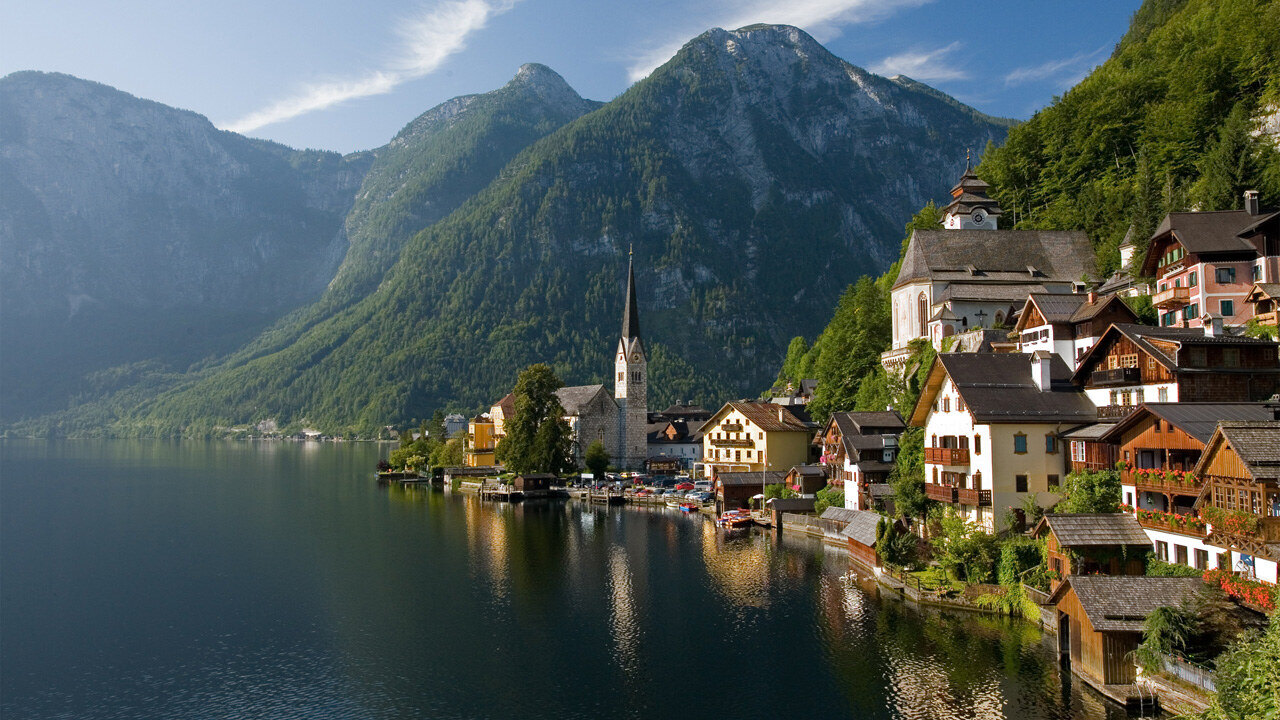
Austria Travel Guide 2027: Best Places to Visit, Itineraries, Costs, Passport Rules & Tourist Scams
Explore Vienna, Salzburg, Hallstatt and the Austrian Alps with a balanced ten-day itinerary, seasonal advice, transport and budget guidance, passport rules and tourist scam precautions.
Prague Travel Guide 2026–2027: Best Things to Do, Passport Requirements, Travel Costs & Tourist Scams
Plan a Prague vacation with a five-day itinerary, historic attractions, neighborhood and hotel tips, passport requirements, current transport fares, currency advice and tourist scams to avoid.
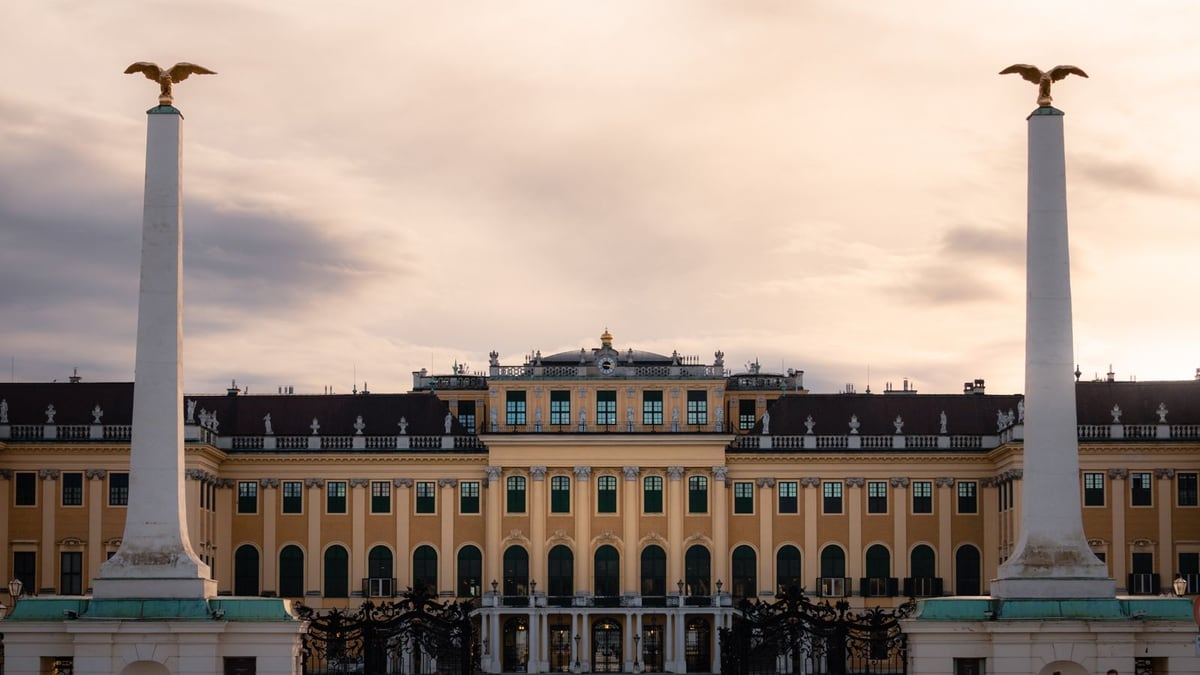
Vienna, Austria Travel Guide 2026–2027: Passport Requirements, Best Attractions, Vacation Costs & Tourist Scams
Plan a Vienna vacation with Austria passport and visa rules, imperial palaces, a five-day itinerary, hotel neighborhoods, daily budgets, airport transport updates, and tourist scam advice.