Austria Travel Guide 2027: Best Places to Visit, Itineraries, Costs, Passport Rules & Tourist Scams
Edited by Bobby Hess | FreePassportSnap.com
Author: Free Passport Snap Editorial Team
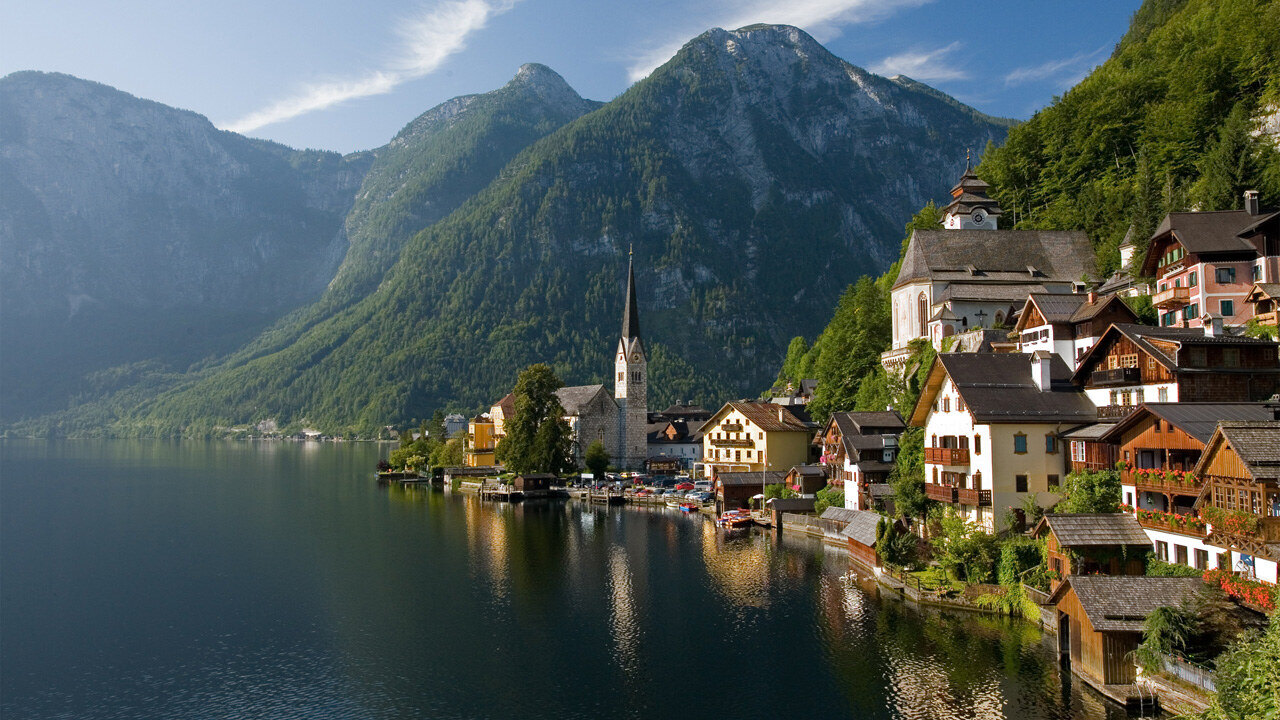
Austria is the kind of destination where one vacation can feel like several: imperial palaces in Vienna, Mozart-era streets in Salzburg, lakeside villages in the Salzkammergut, and the dramatic peaks of the Austrian Alps. Its trains make it possible to combine cities and mountain scenery without spending the entire trip behind the wheel.
This complete Austria travel guide explains what to see, when to go, where to stay, how much to budget, how to travel between destinations, and what to watch out for. It also covers passport validity, the Schengen 90-day rule, the EU's new digital border procedures, and tourist scams. Travel-rule information was reviewed in October 2026 for travelers planning 2026–2027 trips. Recheck official requirements shortly before departure because systems and schedules can change.
Austria at a glance
- Capital — Essential information: Vienna
- Currency — Essential information: Euro (EUR)
- Language — Essential information: German; English is common in major tourist areas
- Best first trip — Essential information: 7–10 days
- Best for cities and lakes — Essential information: May–June or September–early October
- Best for skiing and Christmas markets — Essential information: Winter, with local snow and market calendars checked in advance
- Getting around — Essential information: ÖBB trains, WESTbahn services, regional buses and city transit
- U.S. visitor rules — Essential information: Generally visa-free tourism for up to 90 days in any rolling 180-day Schengen period
- Emergency number — Essential information: 112 throughout Austria
Why visit Austria?
Austria is especially rewarding for travelers who want to mix art, history, food, hiking, and spectacular scenery. Spend the morning admiring Vienna's architecture, travel by rail through rolling green countryside, and finish the week beside a turquoise lake or beneath a mountain range. Its compact size makes those combinations realistic, although mountain travel takes longer than it looks on a map.
If this is your first visit, Vienna, Salzburg and the Salzkammergut lake district are a strong starting point. Add Innsbruck and the Tyrol if you have nine or ten days, or substitute Graz or the Wachau Valley if you prefer wine, design and slower-paced sightseeing.
Best places to visit in Austria
1. Vienna: palaces, music and cafés
Allow at least two or three full days for Austria's capital. Vienna's appeal goes well beyond the famous waltzes: grand architecture sits beside approachable neighborhoods, museums, parks and coffeehouses.
Top experiences in Vienna:
- Tour Schönbrunn Palace and its gardens; book the palace interior in advance during busy periods.
- Walk around St. Stephen's Cathedral and the historic center.
- Explore the Hofburg area and nearby museums.
- See the Belvedere art collections and palace grounds.
- Spend an afternoon in the MuseumsQuartier or the Kunsthistorisches Museum.
- Visit the Prater for its landmark Ferris wheel and open spaces.
- Set aside time for a traditional coffeehouse and a slice of cake.
Where to stay: The Innere Stadt (1st District) is convenient but often expensive. Leopoldstadt (2nd), Neubau (7th) and districts with U-Bahn access can offer good alternatives. Check the actual transit distance rather than the district name alone.
Local tip: Vienna is easy to explore by subway, tram and walking. You rarely need a rental car inside the city.
2. Salzburg: Mozart and mountain views
Salzburg packs an exceptional amount of history into a walkable city. The Baroque old town, Salzach River and fortress make a beautiful setting for one or two days.
Top experiences in Salzburg:
- Ride or walk up to Hohensalzburg Fortress for views across the rooftops.
- Wander Getreidegasse, the old town's famous shopping street.
- Visit Mozart's Birthplace, especially if you love music history.
- Walk through the Mirabell Gardens.
- Explore the cathedral square and riverside viewpoints.
- Consider a concert or a Sound of Music-themed outing if it suits your interests.
The official Salzburg Card combines admission to various attractions with city transportation benefits, but calculate whether it saves money based on what you actually plan to visit. See Salzburg's official tourism site.
Where to stay: Altstadt is atmospheric; Elisabeth-Vorstadt near the main train station can be practical for onward travel.
3. Hallstatt and the Salzkammergut: lakeside Austria
Hallstatt is one of Austria's most photographed villages, with pastel buildings squeezed between a lake and steep mountains. The wider Salzkammergut region is the bigger reason to come: Lake Wolfgang, Bad Ischl, Gosau and nearby valleys give you alternatives to the busiest streets of Hallstatt.
Top experiences:
- Walk Hallstatt's waterfront early or later in the day when day-trip crowds are lighter.
- Ride the ferry across Lake Hallstatt if you arrive by train; Hallstatt station is on the opposite shore from the village.
- Explore St. Wolfgang, St. Gilgen, Bad Ischl, Obertraun or Gosau depending on the weather and your interests.
- Visit the Hallstatt Salt Mine and Skywalk, subject to the operator's current schedule.
- Choose a lake cruise, easy valley walk or mountain excursion suitable for the conditions.
Important 2026–2027 Hallstatt update: The official salt-mine operator lists the mine and funicular as operating from August 29, 2026 through January 6, 2027, with seasonal hours and certain holiday closures. However, the separate Serpentine hiking path to the Salzberg is reported closed until spring 2027. Do not confuse a closed hiking route with the mine or funicular being closed. For later 2027 visits, confirm opening dates and trail access directly with Salzwelten Hallstatt and Hallstatt tourism.
Where to stay: Hallstatt can be expensive and heavily booked. Bad Goisern, Obertraun or Bad Ischl may be better bases, especially with a car or well-planned rail/bus connections.
4. Innsbruck and Tyrol: the Austrian Alps
Innsbruck is a genuine city surrounded by mountains. It is an excellent choice for travelers who want Alpine scenery without giving up restaurants, museums and reliable transport links.
Top experiences:
- Explore the colorful old town and the Golden Roof.
- Take a mountain lift, such as the Nordkette route, when weather and operations permit.
- See Ambras Castle or other regional museums.
- Visit nearby villages for scenic walking and mountain views.
- In winter, use Innsbruck as a base for organized ski-area excursions.
Planning tip: High-altitude activities depend heavily on wind, snow and lift schedules. Keep a flexible day in the itinerary.
5. Graz: architecture and a slower pace
Graz, Austria's second-largest city, is a smart alternative for repeat visitors or anyone interested in design and food. Its historic center, Schlossberg hill, modern Kunsthaus and Styrian culinary traditions make a satisfying one- or two-night stop.
6. Wachau Valley: Danube scenery near Vienna
For a relaxed day outside the capital, explore the Wachau Valley, known for Danube landscapes, villages, vineyards and historic sites such as Melk Abbey. River cruises and cycling trips are seasonal, so check schedules before booking.
7. Zell am See, Kaprun and the high Alps
Travelers looking for a mountain-focused trip should also consider Zell am See, Kaprun, Grossglockner High Alpine Road and selected Dachstein-region attractions. Roads, glaciers, lifts and trails are weather-dependent; the high Alpine road is not a year-round driving route.
The perfect 10-day Austria itinerary
This first-time route balances famous sights with time to enjoy them instead of racing across the country.
- 1 — Destination: Vienna — Suggested plan: Arrive, settle in, stroll the historic center and eat at a café
- 2 — Destination: Vienna — Suggested plan: Schönbrunn Palace, gardens and an evening concert or neighborhood dinner
- 3 — Destination: Vienna — Suggested plan: Belvedere, museums or an optional Wachau excursion
- 4 — Destination: Salzburg — Suggested plan: Travel by train, explore the old town and riverfront
- 5 — Destination: Salzburg — Suggested plan: Hohensalzburg Fortress, Mirabell Gardens and Mozart sites
- 6 — Destination: Hallstatt / lake district — Suggested plan: Travel to the Salzkammergut; waterfront and lake views
- 7 — Destination: Salzkammergut — Suggested plan: Bad Ischl, Lake Wolfgang, Gosau or a weather-suitable outing
- 8 — Destination: Innsbruck — Suggested plan: Travel west and explore Innsbruck's old town
- 9 — Destination: Innsbruck / Tyrol — Suggested plan: Mountain lift, museum, hiking or skiing as conditions permit
- 10 — Destination: Departure — Suggested plan: Return to your departure airport; allow enough time for connections
For seven days: Spend three days in Vienna, two in Salzburg, one in the Salzkammergut, and reserve the final day for your return journey. Skip Innsbruck rather than trying to squeeze every region into one week.
For 14 days: Add two or three nights in Tyrol and another two or three in Graz, the Wachau Valley, or a quieter Alpine lake base.
Travel-smart tip: Open-jaw flights—arriving in Vienna and departing from another suitable airport—can reduce backtracking, but compare airfare and rail connections before committing.
Best time to visit Austria
- Spring (April–May) — What to expect: Greener landscapes, variable weather, possible late snow at altitude — Best for: Vienna, Salzburg, gardens and lower-elevation trips
- Summer (June–August) — What to expect: Long days, busy cities and lakes, mountain hiking season where trails are open — Best for: Lake districts, hiking, outdoor cafés and festivals
- Autumn (September–October) — What to expect: Cooler air, changing colors, generally less summer pressure — Best for: Scenic rail journeys, city breaks and walking
- Winter (November–March) — What to expect: Christmas-market season followed by ski months; short days and mountain weather — Best for: Vienna's winter atmosphere, seasonal markets and skiing
Best overall recommendation: Late May through June or September is a great compromise for a combined city-and-nature trip. For a dedicated ski holiday, choose specific resorts and check snow reliability, lifts and lodging before selecting dates.
Christmas-market opening dates vary by town and year; some markets end before Christmas and others continue later. Verify each official calendar rather than assuming every market runs throughout December.
Austria passport and visa requirements for U.S. travelers
Austria belongs to the Schengen Area. For ordinary short tourist trips, U.S. citizens can generally enter visa-free and spend up to 90 days in any rolling 180-day period across the Schengen Area as a whole—not 90 days separately in Austria, France, Italy and the other member countries.
Before travel, check these basics:
- 1.Passport validity: A U.S. passport must remain valid for at least three months after the planned departure from the Schengen Area. Having six months remaining is a sensible extra buffer.
- 2.Passport age: Schengen travel documents ordinarily must have been issued within the previous 10 years.
- 3.Blank pages: U.S. State Department guidance for Austria lists two blank passport pages.
- 4.Length of stay: Count days spent across all Schengen destinations during the relevant rolling 180-day window.
- 5.Trip evidence: Be ready to show onward or return travel, accommodations, and sufficient funds if border officials request them.
- 6.Different nationality or purpose: Visitors who are not eligible for visa-free travel—or who are working, studying or staying longer—must check the appropriate Austrian embassy or consulate requirements.
Check the U.S. State Department's Austria travel information and the Austrian Foreign Ministry's visa guidance for current rules.
EES and ETIAS: the important 2027 travel update
EES (Entry/Exit System) is already operational. It digitally records entries and exits of eligible non-EU short-stay travelers at the external Schengen border and may involve facial images and fingerprints. Allow additional time when arriving or departing internationally, particularly if biometric registration is required.
ETIAS (European Travel Information and Authorisation System) is different. It is a future online travel authorization for eligible visa-exempt travelers—not a traditional visa. As of October 2026, the European Union says ETIAS is not yet operating and applications are not being accepted. The exact launch date has not been announced; travelers planning 2027 visits should check again before departure. The EU's published application fee is €20, with some exemptions, once the system starts.
Use only the official EU ETIAS website for announcements and applications when they become available. Be suspicious of anyone claiming you can obtain an official ETIAS approval now, or charging you for a supposedly mandatory 2026 approval.
Do you need a visa photograph for Austria?
U.S. travelers visiting visa-free for a short holiday generally do not need a separate visa application photo. Travelers who do require an Austrian Schengen visa may need a recent color photograph measuring 35 × 45 mm, compliant with the consulate's ICAO photo rules, along with other application documents.
If you need to prepare an appropriately sized image, FreePassportSnap.com offers a free browser-based passport and visa photo tool with print-ready layouts. Always check the precise photo requirements from the Austrian consulate handling your application; using a photo tool does not guarantee official acceptance.
How to get around Austria
Trains: the best choice for many visitors
Austria's rail network makes city-to-city travel straightforward. ÖBB, the national railway, serves major corridors and regional connections. WESTbahn also operates on important routes, but do not assume tickets bought for one operator automatically work on the other.
- Check schedules and book with ÖBB or WESTbahn.
- Look for ÖBB Sparschiene advance fares, but read train-specific restrictions before paying.
- Consider a seat reservation during popular weekends and holidays.
- Use regional buses, boats and local trains to reach lakeside towns and mountain destinations.
- At Hallstatt station, plan for the ferry crossing to the village, and verify the last departure if arriving late.
City transit
Vienna has an extensive U-Bahn, tram and bus network. Salzburg, Graz and Innsbruck also have useful local services. Tourist cards can be worthwhile, but only if their admissions and transportation match your plans. Follow each city's ticket-validation rules.
Rental cars and motorway tolls
A rental car gives you freedom in rural valleys, but parking is inconvenient or costly in historic centers. Austria requires a valid motorway vignette on many highways for typical passenger cars, and some routes have separate section tolls. Buy through the official ASFINAG shop or an authorized seller.
Timing trap: Online digital two-month and annual vignettes purchased by private consumers generally start no earlier than the 18th day after purchase. Digital one-day and ten-day vignettes are excluded from that waiting period. Check whether your rental car already includes the required toll product. In winter, verify tire and equipment obligations and never assume mountain passes are open.
Where to stay and what an Austria trip costs
The cost of an Austria vacation varies sharply with location, season, room type and advance booking. Vienna and Salzburg can be expensive at peak times; ski resorts rise sharply during winter holidays. Lakefront rooms in Hallstatt often carry a premium.
The following are rough planning estimates per person per day, in euros, including a share of accommodation, meals and ordinary local sightseeing/transport but excluding international airfare, major intercity travel and expensive ski or guided excursions. They are not live prices or guaranteed quotes.
- Budget — Illustrative daily budget: €85–€140 — Typical approach: Hostel or basic shared room, casual meals, free walking and transit
- Midrange — Illustrative daily budget: €160–€280 — Typical approach: Comfortable hotel shared by two, sit-down meals and several paid attractions
- Upscale — Illustrative daily budget: €300+ — Typical approach: Central or premium hotels, finer dining, more paid experiences
Save money by: booking accommodation early, visiting outside festival and school-holiday peaks, comparing train tickets before departure, choosing a lake-region base outside Hallstatt, and prioritizing one or two paid attractions per day.
Austrian food worth trying
- Wiener Schnitzel: Thin breaded and fried cutlet; the traditional Viennese version is veal.
- Tafelspitz: Simmered beef, a classic Viennese specialty.
- Käsespätzle: Cheese-coated small noodles or dumplings, especially comforting in mountain regions.
- Kaiserschmarrn: Fluffy shredded pancake, usually served sweet.
- Apfelstrudel: Apple pastry often paired with coffee.
- Sachertorte: Rich chocolate cake closely associated with Vienna.
Make time for a traditional coffeehouse, but remember that popular historic cafés may have lines. In the countryside, check kitchen hours: some restaurants close between meal services or on particular weekdays.
Tourist scams and safety tips in Austria
Austria is generally a safe place for visitors. The U.S. State Department's August 21, 2026 advisory rated Austria Level 1: Exercise Normal Precautions. The bigger everyday concerns for most tourists are petty theft, booking mistakes and avoidable extra fees rather than violent crime.
1. Pickpocketing at stations and on trains
This is a documented concern. The U.S. State Department specifically warns about theft on public transit and in bus and rail stations, including international train journeys. Keep your phone, wallet and passport secure, especially during boarding, luggage handling and crowded transfers. Never leave your belongings unattended in a train compartment.
2. Fake ETIAS and visa-fee websites
Search ads and lookalike websites can make a service appear official. Since ETIAS is not accepting applications as of the article's review date, an offer to issue an official ETIAS immediately is a major warning sign. Start with the EU site or the Austrian foreign ministry rather than an unsolicited link.
3. Unclear taxi fares and transport add-ons
Use official taxi stands or a reputable booked service, confirm the fare calculation, and know your airport-to-city train options. Avoid agreeing to an unquoted ride with someone approaching you in an arrivals hall. This is practical prevention advice, not a claim that such behavior is widespread in Austria.
4. Unofficial attraction tickets and misleading resellers
High-demand palace, concert and excursion tickets may be advertised by third parties at substantial markups. Compare the exact event, seat, inclusion and refund terms with the official attraction or organizer before paying. A reseller is not automatically fraudulent, but it may be unnecessary or poor value.
5. ATM conversion and card-payment surprises
At an ATM or card terminal, you may be offered a conversion to U.S. dollars. Compare fees and exchange-rate treatment with your card issuer; paying in euros often avoids unfavorable dynamic-currency-conversion offers. Use ATMs in secure locations, cover your PIN and review transaction screens before accepting charges.
6. Alpine weather and risky hikes
Weather can turn quickly in the mountains, and a scenic path in summer may require technical equipment, special experience or seasonal access. Choose routes suitable for your ability, check forecasts and trail closure notices, carry water and layers, and turn back when conditions deteriorate. Confirm your travel insurance covers hiking, skiing, mountain rescue or evacuation as needed. In Austria, 112 is the general emergency number and 140 is the mountain-rescue emergency line.
Practical Austria travel tips
- Carry some euros in cash. Cards are common in cities, but smaller cafés, mountain huts and rural businesses may be cash-only.
- Check opening days. Shops and some services may be closed on Sundays or public holidays; museums often have their own closure days.
- Book major attractions in advance. Schönbrunn, special performances and popular guided experiences can sell out.
- Respect quiet spaces and local neighborhoods. Hallstatt is a living village, not an outdoor movie set. Stay off private property.
- Pack layers. Vienna's summer heat and an exposed mountain summit on the same trip require very different clothing.
- Use common courtesy. A friendly “Grüß Gott” or “Guten Tag” is appreciated; tipping practices differ from the United States, so check your bill and round up appropriately if service was good.
- Buy appropriate travel insurance. Confirm medical, cancellation and any Alpine-activity coverage, not just the headline policy price.
- Check medication rules. Some controlled medications have strict restrictions; verify details with Austrian customs before traveling.
- For minors: Border officials may ask for consent or supporting family documents when children travel alone or with only one parent or another adult.
Austria travel FAQs
How many days do I need in Austria?
Seven days is enough for Vienna, Salzburg and a taste of the lakes. Ten days allows a more balanced route that adds Innsbruck. Two weeks is better if you want slower travel or multiple Alpine bases.
Is Austria expensive to visit?
It can be, especially in central Vienna, Salzburg during major events and mountain resorts at peak season. Rail bargains, shoulder-season travel and staying outside the best-known tourist centers can keep costs manageable.
Can I visit Austria without renting a car?
Yes. Vienna, Salzburg, Innsbruck and many lake towns are reachable by rail and local transport. A car becomes more useful for isolated valleys, remote lodging or complicated multi-stop nature trips.
Do Americans need a visa for Austria in 2027?
For an ordinary short tourist trip, U.S. citizens are generally visa-exempt within the Schengen 90/180-day limit. ETIAS may change the pre-travel authorization steps during 2027, so check the official EU site before departure; it is not yet accepting applications as of October 2026.
Is Austria safe for solo travelers and families?
Austria is generally considered safe, and its public transportation is convenient. Use routine urban precautions, protect valuables in crowded stations and treat mountain activities seriously.
Is Vienna or Salzburg better for a first trip?
Choose Vienna for palaces, museums, major cultural institutions and big-city neighborhoods. Choose Salzburg for a compact historic setting with easier access to mountain scenery. If your schedule allows it, visit both.
What is the best month for an Austria itinerary?
June and September are often excellent for a mix of cities and scenery. For Christmas markets, target their published late-November and December dates; for skiing, plan around individual resort conditions.
Before you leave: Austria travel checklist
- ☐ Check passport expiration date, issue date and blank pages.
- ☐ Count total Schengen days from any nearby European trips.
- ☐ Check the official ETIAS status and EES instructions.
- ☐ Confirm flights, rail tickets and hotel cancellation conditions.
- ☐ Reserve your priority attractions and verify seasonal lift or trail access.
- ☐ Save digital and offline copies of essential travel documents.
- ☐ Check roaming/eSIM, card fees, medical coverage and emergency contacts.
- ☐ If you need a visa photo, confirm the required dimensions and consular rules.
Final thoughts: is Austria worth visiting?
Absolutely. Austria rewards both first-time European travelers and seasoned visitors with a rare combination of history, music, scenery and efficient rail travel. The best trip is not the one that ticks off the most locations; it is the one that leaves enough time for a quiet coffeehouse, a mountain panorama and an unhurried lakeside walk.
For passport and visa photo planning, visit FreePassportSnap.com. You can prepare correctly sized photo layouts in your browser, while using the official Austrian and EU websites for the latest entry and application requirements.
Official resources and fact-check links
Editorial note: This is general travel information, not immigration or legal advice. Entry requirements, opening hours and prices can change; confirm directly with the relevant authority or operator when booking.
For winter Hallstatt planning, the mine operator’s current timetable lists both the mine and funicular closed January 7–29, 2027, in addition to December 24 and 31 closures. A lake visit is not the same as access to the mine. Check the exact date and the last descent before buying a combined excursion; an operating funicular also does not establish that a hiking path is open.
Related guides
Previous
Australia Travel Guide 2026: ETA, Passport, Scams & Trip Planning
Next
Baby Passport Photo With Eyes Closed: Is It Allowed?
You Might Also Like
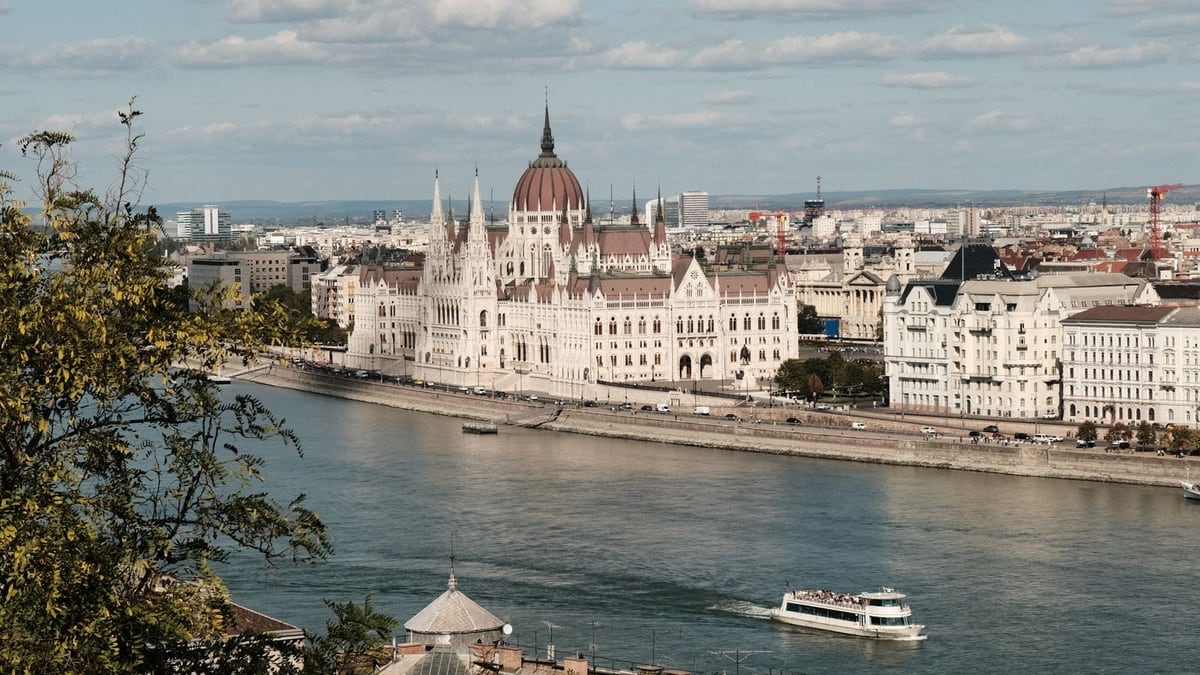
Budapest, Hungary Travel Guide 2026–2027: Passport Requirements, Best Attractions, Vacation Costs & Tourist Scams
Plan your Budapest vacation with passport and visa requirements, thermal baths, a five-day itinerary, hotel districts, daily budgets, public transportation, and tourist scam advice.
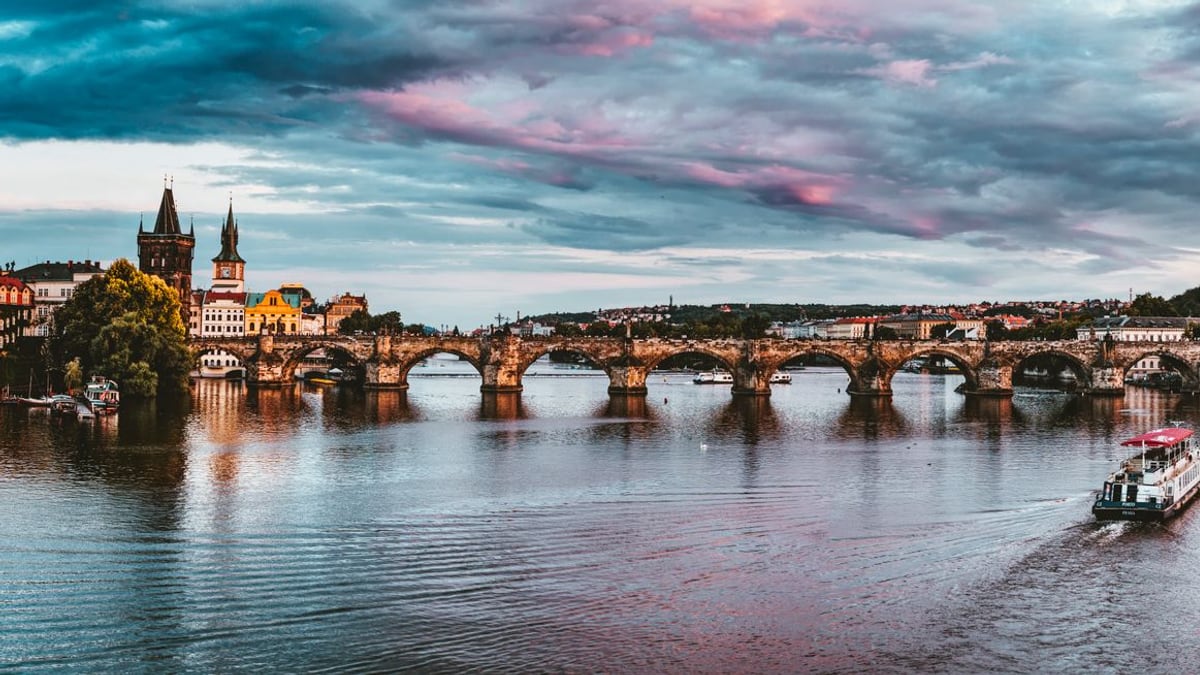
Prague and Vienna in One Trip: The Ultimate 8-Day Central Europe Itinerary for 2026–2027
Combine Prague and Vienna in eight days with a day-by-day route, direct train advice, hotel neighborhoods, two-country budgets, passport requirements, and scam prevention.
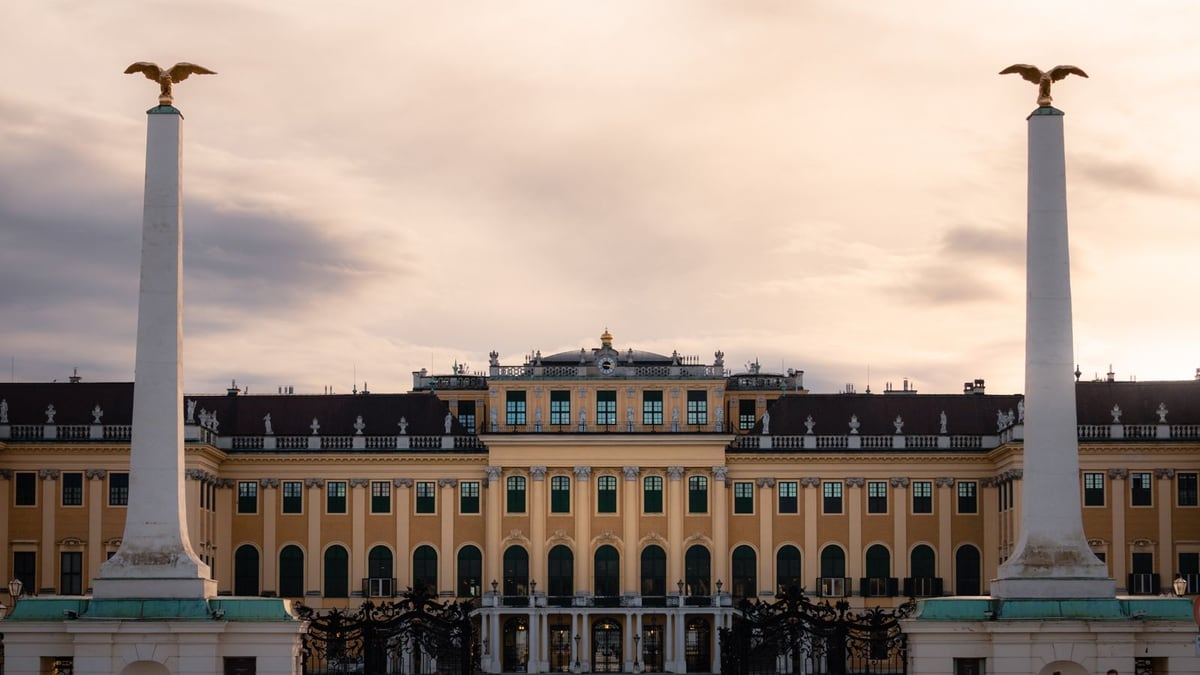
Vienna, Austria Travel Guide 2026–2027: Passport Requirements, Best Attractions, Vacation Costs & Tourist Scams
Plan a Vienna vacation with Austria passport and visa rules, imperial palaces, a five-day itinerary, hotel neighborhoods, daily budgets, airport transport updates, and tourist scam advice.