Vienna, Austria Travel Guide 2026–2027: Passport Requirements, Best Attractions, Vacation Costs & Tourist Scams
Edited by Bobby Hess | FreePassportSnap.com
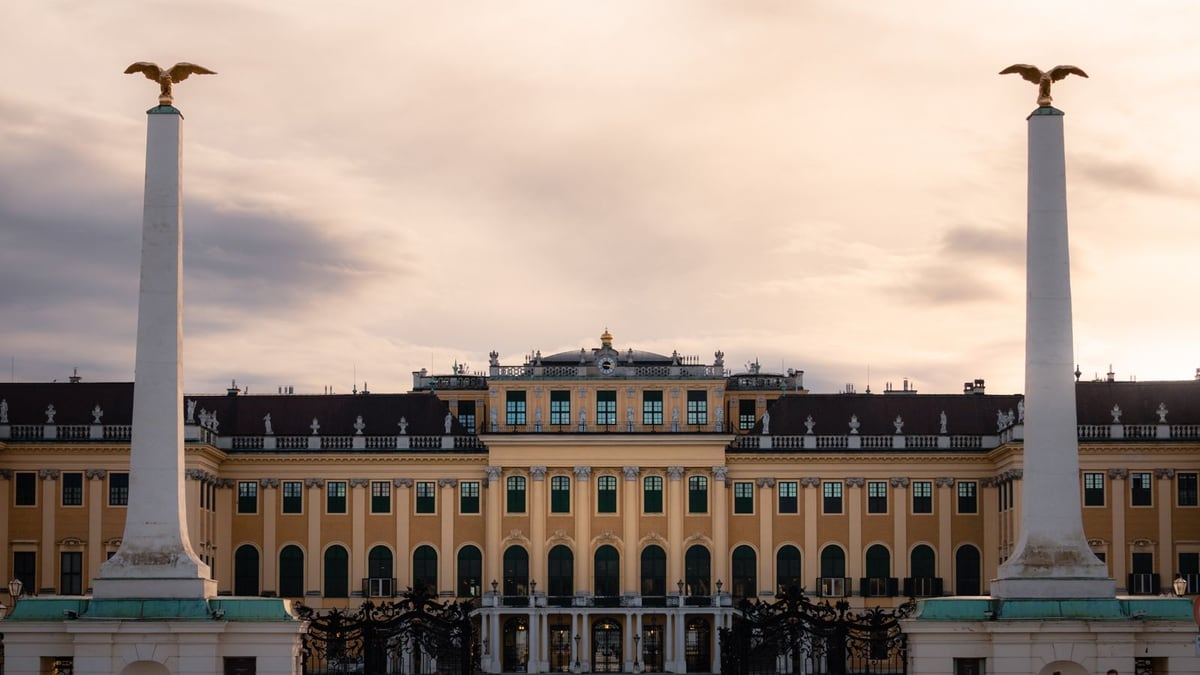
Planning a Vacation to Vienna, Austria? Everything You Need to Know
Vienna, Austria’s elegant capital, is known for magnificent imperial palaces, classical music, grand architecture, historic coffeehouses, and beautiful public gardens. Once the center of the Habsburg Empire, it remains a city where imperial history meets modern European culture.
Explore Schönbrunn Palace, admire St. Stephen’s Cathedral, visit world-famous art museums, or enjoy Viennese coffee and pastries. Vienna is also an excellent base for visiting neighboring Czechia, Hungary, Germany, and Slovakia. This guide covers the passport rules, transportation, attractions, budgets, and scams American travelers should understand before departure.
Austria Passport Requirements for U.S. Citizens
Austria belongs to the European Union and the Schengen Area. American citizens traveling on ordinary U.S. passports should meet the following entry requirements:
- Passport validity extending at least three months beyond intended departure from the Schengen Area.
- At least two blank passport pages available for entry, as listed by the U.S. Department of State.
- A passport generally issued within the previous ten years.
- Compliance with applicable immigration and permitted-stay requirements.
Border officials may request proof of accommodations, adequate funds, or onward transportation. Although three months of remaining validity is the minimum after departure, renewing earlier can help prevent interruptions. Check requirements for every destination and transit country on a multi-country trip.
Do Americans Need a Visa to Visit Austria?
U.S. citizens with ordinary American passports generally do not need a tourist visa for visits of up to 90 days within any rolling 180-day period. This allowance applies across the Schengen Area, not separately to Austria.
Understanding the 90/180-Day Rule
For example, spending 20 days in Italy, 15 in Germany, and 10 in Austria uses 45 days of your Schengen allowance. You would ordinarily have 45 days remaining within that rolling 180-day period. Traveling to Czechia, Germany, or another Schengen country does not restart the clock. Contact the appropriate Austrian authorities for extended stays, employment, or other activities requiring authorization.
ETIAS and New European Entry Requirements
European Entry/Exit System (EES)
EES digitally records entry and exit information for many non-EU visitors at participating external Schengen border crossings. Travelers may need to provide facial images and fingerprints where applicable. Allow extra time when entering or leaving the Schengen Area. EES is distinct from a paid travel authorization.
ETIAS Travel Authorization
ETIAS is a separate travel authorization system planned for eligible visa-exempt visitors. As of October 25, 2026, it is not operational and is not accepting applications. Be suspicious of websites demanding immediate payment for an application, and use official EU information for future updates.
Is Vienna Safe for American Tourists?
At the time of this guide, Austria carries a U.S. Department of State Level 1: Exercise Normal Precautions advisory. Vienna is generally safe, but pickpocketing, theft, transportation disputes, and tourist-targeted fraud can occur. Use extra care at busy train stations, on crowded public transportation, at attractions and Christmas markets, in nightlife districts, and on crowded shopping streets. Do not leave valuables unattended in restaurants or cafes.
Best Time to Visit Vienna
- April–May — Spring sightseeing: Milder temperatures, blooming gardens, and comfortable walking conditions. Schönbrunn’s gardens are particularly attractive.
- June–August — Summer: Outdoor concerts, cafes, cultural events, and extended daylight. July and August can be hot, with large crowds at popular attractions.
- September–October — Culture and sightseeing: Often comfortable for exploring historic neighborhoods, museums, gardens, and coffeehouses.
- November–December — Christmas markets: Festive decorations, seasonal food, and holiday shopping, especially at Rathausplatz and Schönbrunn Palace. Check each year’s dates and hours.
- January–March — Quiet winter travel: Fewer crowds outside holidays. Cold temperatures are offset by museums, concerts, coffeehouses, and indoor attractions.
Best Things to Do in Vienna
1. Visit Schönbrunn Palace
The former imperial summer residence is one of Austria’s most recognizable landmarks. Explore elaborate palace rooms, landscaped gardens, fountains, the Gloriette viewpoint, the Maze and Labyrinth, and Schönbrunn Zoo. Allow several hours for the palace and grounds. Book popular tours in advance, especially during summer and holidays.
2. Explore St. Stephen’s Cathedral
Stephansdom stands in the heart of Vienna, recognizable by its Gothic architecture and colorful tiled roof. Explore designated cathedral areas and, depending on access and admission, climb a tower for panoramic views. Surrounding pedestrian streets are ideal for sightseeing and shopping.
3. Discover the Hofburg Imperial Palace
The Hofburg complex was a major center of Habsburg power. Its museums and exhibitions include the Sisi Museum and Imperial Apartments. Check individual attraction tickets because one admission does not necessarily cover every part of the complex.
4. Visit Belvedere Palace
This Baroque palace complex has formal gardens and an important art collection, including works by Gustav Klimt. Art enthusiasts should prioritize Upper Belvedere. Reserve timed admission when available.
5. Explore Vienna’s Historic Center
Walk along Graben and Kohlmarkt, see St. Stephen’s Cathedral and historic churches, and enjoy elegant cafes and imperial-era buildings. Leave time for smaller streets rather than rushing between major landmarks.
6. Visit the Vienna State Opera
Vienna’s musical heritage is internationally celebrated. The State Opera offers performances and tours on selected dates. Review schedules and buy through official channels.
7. Experience the Prater
The Prater combines green spaces with an amusement area featuring Vienna’s Giant Ferris Wheel. It is popular with families and visitors seeking a change from museums and palaces. Individual attractions may charge separate admission.
8. Explore MuseumsQuartier
This major cultural district contains art collections, exhibitions, cafes, and public gathering spaces. It is especially appealing to art lovers and visitors traveling in colder weather.
Suggested Five-Day Vienna Itinerary
- Day 1 — Historic Vienna: Visit St. Stephen’s Cathedral and the historic center in the morning. Walk Graben and Kohlmarkt and stop at a coffeehouse in the afternoon. Enjoy a Viennese dinner.
- Day 2 — Imperial Vienna: Explore the Hofburg complex in the morning, then nearby museums and historic squares. Attend a classical performance or opera in the evening.
- Day 3 — Schönbrunn Palace: Tour the palace, then walk the gardens and visit the Gloriette viewpoint. Relax at a neighborhood restaurant afterward.
- Day 4 — Art and architecture: Visit Upper Belvedere, followed by MuseumsQuartier. Finish with a traditional coffeehouse experience.
- Day 5 — Parks and local culture: Visit the Prater or a neighborhood market, then additional museums or shopping streets. Enjoy a final Austrian dinner.
Where to Stay in Vienna
- Innere Stadt — Best for first-time visitors: Central, walkable landmarks, excellent restaurants, and historic atmosphere. Expect higher hotel prices and busy tourist areas.
- Leopoldstadt — Good for families: Near the Prater, with parks, residential neighborhoods, attractions, and public transportation connections.
- Neubau — Best for art and culture: Boutiques, cafes, a cultural atmosphere, and access to MuseumsQuartier.
- Wieden — Convenient for transportation: Restaurants, historic neighborhoods, and access to Vienna’s main railway station.
- Mariahilf — Good for shopping: Shopping streets, restaurants, and transit connections, with alternatives to expensive central hotels.
How Much Does a Vienna Vacation Cost?
Vienna offers everything from budget hostels to luxury hotels and can cost more than Prague, especially for central accommodation and popular attractions. These are illustrative daily allowances per person, excluding international flights—not live market prices.
- Accommodation — Budget: €55–€100; comfortable: €130–€240.
- Food — Budget: €25–€45; comfortable: €50–€90.
- Transportation — Budget: €4–€12; comfortable: €10–€25.
- Attractions — Budget: €15–€35; comfortable: €30–€70.
- Daily total — Budget: €99–€192; comfortable: €220–€425.
Actual expenses depend on your dates, season, room-sharing arrangements, and activities. Book early, stay near transit outside the First District, explore parks and free walking routes, compare museum packages, and check Vienna City Card benefits against your actual itinerary. Neighborhood restaurants and well-chosen transit passes can help control costs.
Vienna Public Transportation
Vienna has an extensive U-Bahn subway, tram, bus, and selected suburban train network. Most tourists do not need a rental car. Standard Vienna core-zone tickets do not cover the whole journey to or from the airport; airport transfers require the appropriate additional fare or separate ticket.
Vienna Public Transportation Prices in 2026
- Single journey — Standard paper adult fare: €3.20. Compare paper, digital, and discounted options in the official shop before buying.
- 24 Hours VIENNA — The official ticket page checked for this guide lists the digital ticket at €9.70. Prices can differ by ticket format.
- 7 Days VIENNA — The official page lists tickets from €25.20; compare digital and paper conditions.
The standard 48-hour and 72-hour Wiener Linien tickets are no longer sold as of January 2026. For several days, compare the 24-hour and seven-day options. Validate paper tickets when required; digital tickets are valid for the period printed on them and may require matching photo ID. Wiener Linien has announced further fare adjustments from January 1, 2027, so check prices for your travel date.
Getting From Vienna Airport to the City Center
Important 2026–2027 update: Vienna’s official tourism office reports extensive inner-city S-Bahn modernization from September 7, 2026 through the end of October 2027. Normal airport rail instructions in older guides may be incorrect. CAT replacement buses operate from August 24, 2026 to October 31, 2027.
- CAT by bus: Premium replacement buses connect Vienna Airport with Wien Mitte/Landstraße. CAT City Check-In at Wien Mitte is unavailable during the replacement period.
- S7 and REX7: The usual central-city connections are affected. S7 runs on a shortened route to St. Marx; REX7 connects the airport with Wien Hauptbahnhof during the works. Check current timetables.
- Other options: Selected ÖBB Railjet and Intercity trains, Vienna Airport Bus services, and licensed taxis remain alternatives. Choose based on your hotel and departure time.
Allow extra time and verify your chosen connection immediately before traveling rather than relying on older route descriptions.
Common Tourist Scams in Vienna
- Pickpocketing: Keep handbags closed, wallets secured, and phones out of easy reach on crowded transit and around attractions.
- Unofficial taxis: Avoid unsolicited offers. Use official taxi stands, established ride-booking services, or reputable providers, and confirm pricing.
- ATM and currency conversion fees: Austria uses the euro. Review ATM charges and consider paying in euros rather than accepting expensive dollar conversion offers.
- Unofficial concert tickets: Some street sellers are legitimate, but venues, performers, terms, or the advertised experience may not match expectations. Use official venues or verified providers.
- Restaurant and cafe pricing surprises: Review menus near major attractions and ask about additional charges before ordering.
- Fake accommodations: Verify properties, reviews, terms, and payment methods. Avoid pressure to pay outside reputable booking platforms.
- Fake ETIAS applications: As of October 25, 2026, applications are not open. Do not pay websites claiming immediate authorization is required.
Traditional Austrian Food to Try in Vienna
- Wiener Schnitzel: Traditionally breaded veal; some restaurants also serve pork or chicken versions.
- Tafelspitz: Boiled beef with accompaniments such as potatoes, vegetables, and sauces.
- Apfelstrudel: Austrian apple strudel.
- Sachertorte: Chocolate cake associated with Vienna’s coffeehouse tradition.
- Kaiserschmarrn: Fluffy shredded pancake, commonly served with fruit compote.
- Viennese coffee: Try a Wiener Melange or another traditional preparation in a historic coffeehouse.
Day Trips From Vienna
- Bratislava, Slovakia: Historic center, castle, cafes, and Danube waterfront.
- Wachau Valley: River scenery, vineyards, historic towns, and cultural attractions.
- Salzburg: Mozart, Baroque architecture, and surrounding landscapes. Possible by train, though an overnight stay gives you more time.
- Prague, Czechia: Better as a multi-night addition than a rushed day trip. Direct trains make a combined vacation practical; see our companion eight-day itinerary below.
Combine Vienna and Prague
Travel Insurance and Emergency Information
Consider international medical insurance. Review emergency medical care, hospital treatment, medical evacuation, trip cancellation, lost baggage, and prescription medication coverage. For lost or stolen passports, contact the U.S. Embassy in Vienna.
- 112 — European emergency number.
- 133 — Austrian police.
- 144 — Ambulance.
- 122 — Fire services.
Passport and Visa Photos for Austria Travel
Although many American tourists qualify for visa-free travel, visitors of other nationalities may need a Schengen visa and photographs meeting precise size, background, and composition standards.
Prepare Your Passport or Visa Photo Online
Free Passport Snap helps travelers prepare passport and visa photos through their web browser, with supported specifications for 195 countries, resizing, background removal and adjustment, digital preparation, and print-ready layouts. No watermark or registration is required. Always compare the final photo with the issuing authority’s requirements; preparation does not guarantee acceptance. Free Passport Snap does not issue passports, visas, or travel authorizations.
Vienna Travel FAQ
Do Americans need a visa to visit Vienna?
Generally, no. U.S. tourists with ordinary passports can visit Austria for up to 90 days within any rolling 180-day Schengen period without a tourist visa.
How long must my passport be valid?
At least three months beyond your intended departure from the Schengen Area, subject to the other entry requirements.
Is Vienna expensive?
It can cost more than neighboring Central European destinations, but budget accommodations, transit, and free attractions help control spending.
Is Vienna safe for tourists?
At the time of this guide, Austria is rated Level 1 by the U.S. Department of State. Take normal precautions and review the latest advisory before traveling.
How many days should I spend in Vienna?
Three days covers many major landmarks; four or five days allows more relaxed exploration.
Can I visit Vienna and Prague on the same vacation?
Yes. Direct trains connect the cities, and both countries belong to the Schengen Area. The shared 90/180-day allowance still applies.
What currency does Vienna use?
Austria uses the euro.
Do I need ETIAS for Vienna?
ETIAS is not accepting applications as of October 25, 2026. Check the official EU website before future trips.
Vienna Vacation Planning Checklist
- Check passport validity and blank pages.
- Verify Schengen visa requirements and your remaining stay allowance.
- Review ETIAS and EES updates.
- Book accommodations.
- Check attraction reservations.
- Review airport transportation disruptions.
- Purchase suitable travel insurance.
- Prepare payment cards and emergency funds.
- Save embassy contact information.
- Review common tourist scams.
- Prepare any required passport or visa photographs.
Final Thoughts: Enjoy Vienna With Confidence
Vienna combines imperial history, music, architecture, museums, and food. Whether exploring Schönbrunn, admiring the cathedral, visiting art collections, or relaxing in a coffeehouse, careful planning makes the trip more enjoyable. Verify current entry requirements, transportation schedules, and advisories before departure.
Prepare international travel photos for supported specifications in 195 countries, with no watermark or registration.
Create Your Free Passport Photo →Official Travel Resources
Disclaimer: Immigration rules, transportation schedules, attraction prices, and travel advisories can change. Always verify official information before traveling. Government entry rules, EU systems, transit tickets, airport updates, and embassy resources are linked in the relevant sections above.
More travel planning guides
Related guides
Previous
USPS Passport Delivery Text Scams: Don’t Click That Tracking Link
Next
Vietnam Travel Guide 2026: Passport, E-Visa, Scams & Trip Planning
You Might Also Like
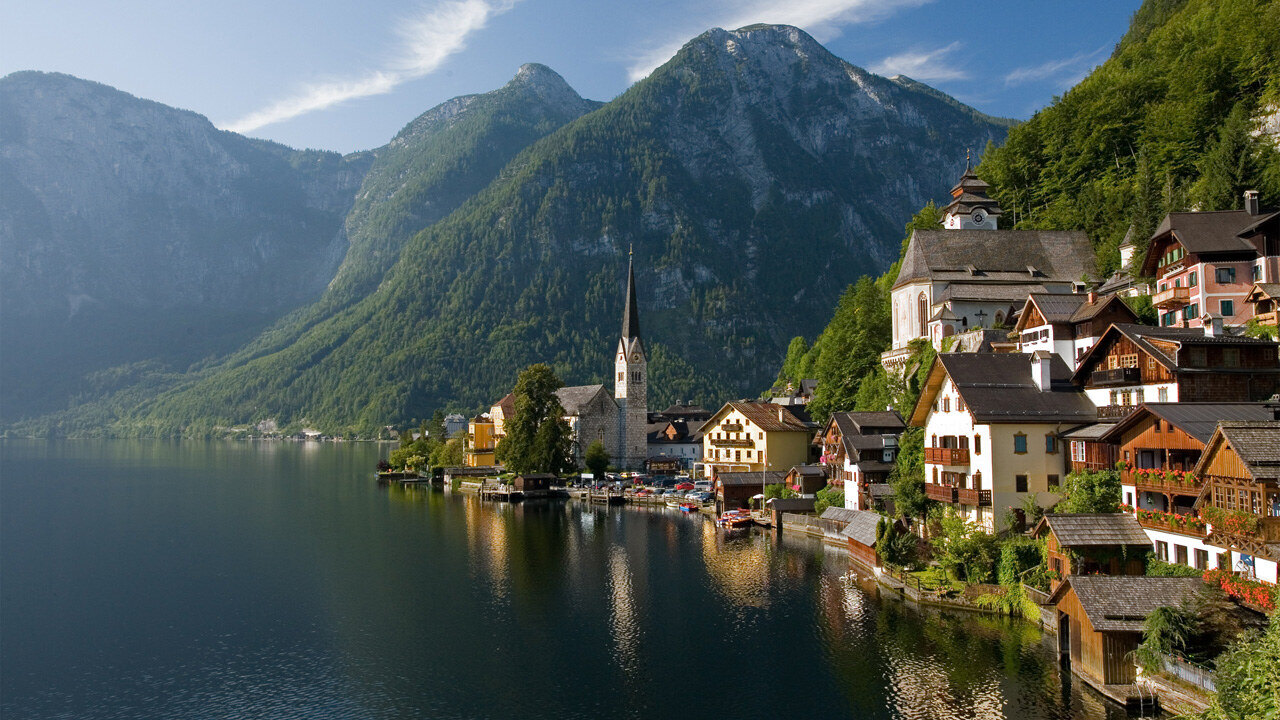
Austria Travel Guide 2027: Best Places to Visit, Itineraries, Costs, Passport Rules & Tourist Scams
Explore Vienna, Salzburg, Hallstatt and the Austrian Alps with a balanced ten-day itinerary, seasonal advice, transport and budget guidance, passport rules and tourist scam precautions.
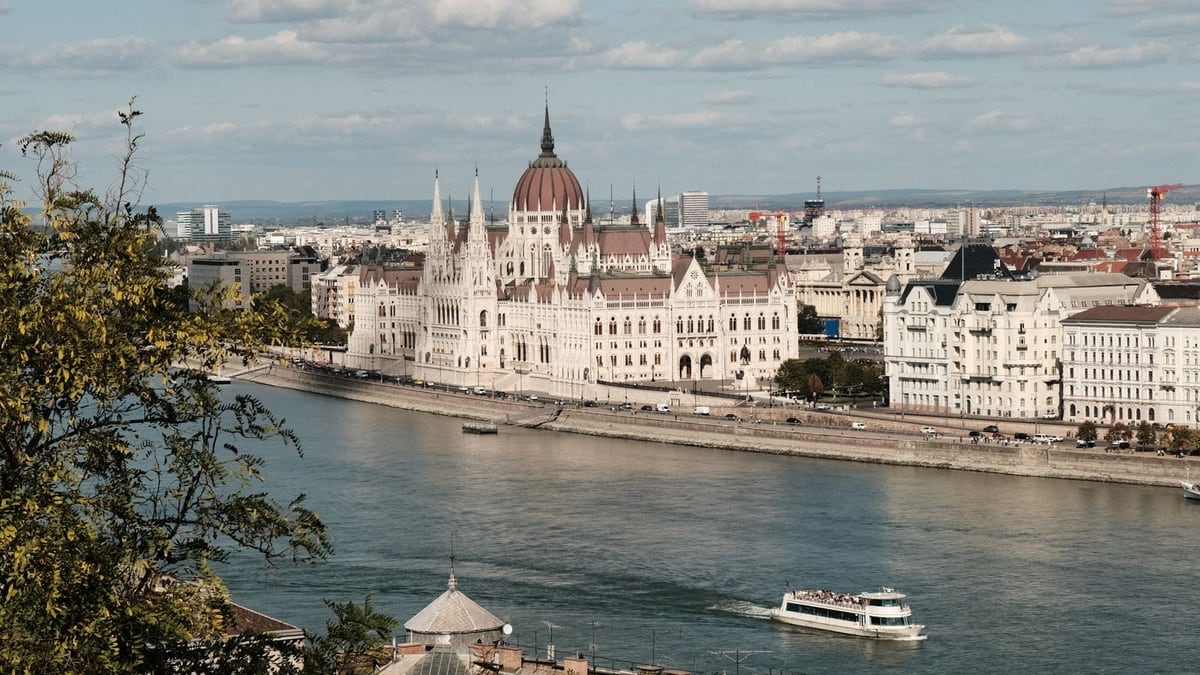
Budapest, Hungary Travel Guide 2026–2027: Passport Requirements, Best Attractions, Vacation Costs & Tourist Scams
Plan your Budapest vacation with passport and visa requirements, thermal baths, a five-day itinerary, hotel districts, daily budgets, public transportation, and tourist scam advice.
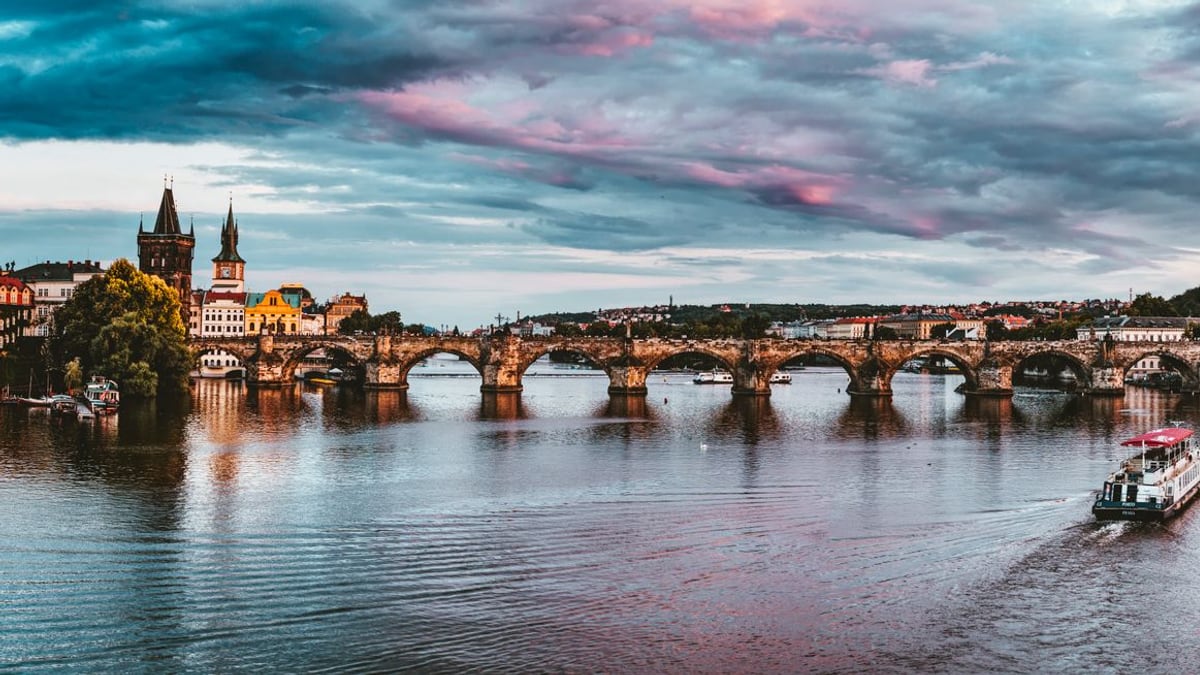
Prague and Vienna in One Trip: The Ultimate 8-Day Central Europe Itinerary for 2026–2027
Combine Prague and Vienna in eight days with a day-by-day route, direct train advice, hotel neighborhoods, two-country budgets, passport requirements, and scam prevention.