Vietnam Travel Guide 2026: Passport, E-Visa, Scams & Trip Planning
Edited by Bobby Hess | FreePassportSnap.com
Author: FreePassportSnap
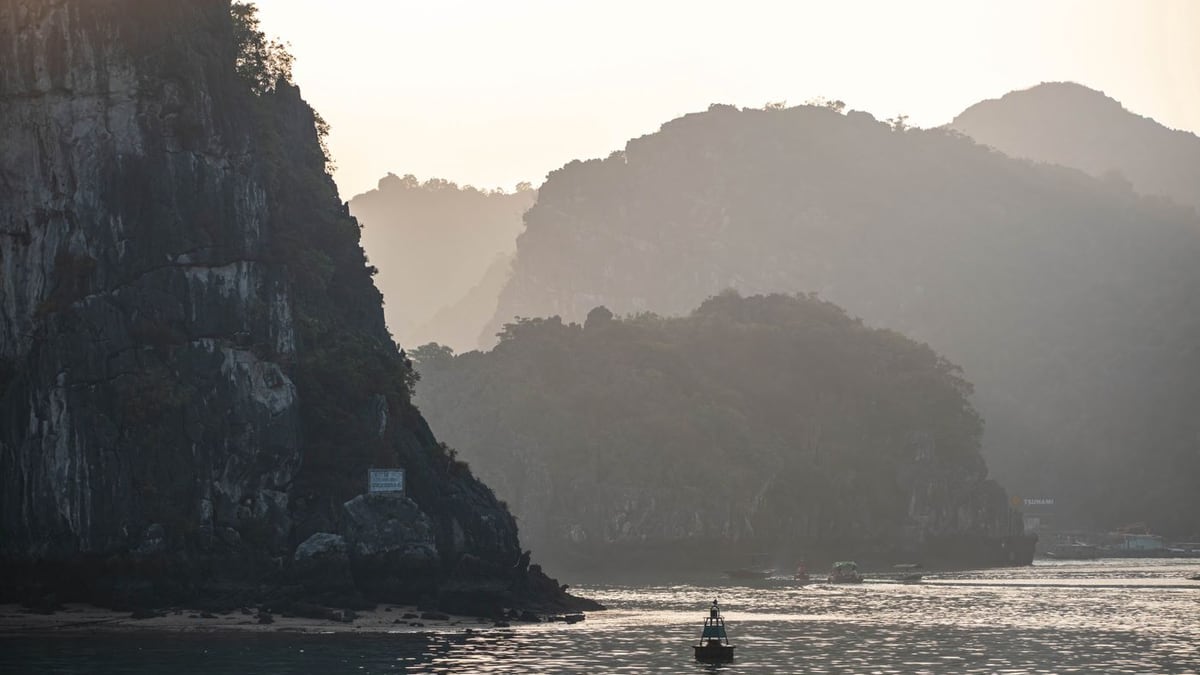
Vietnam stretches from mountain roads and historic Hanoi in the north to imperial cities and beaches in the center and fast-moving Ho Chi Minh City and the Mekong Delta in the south. The country can be affordable and rewarding, but its length, regional weather differences, visa rules and busy roads require careful planning. Information checked September 20, 2026 — verify everything through the Vietnam Immigration Department, the Embassy of Vietnam and the U.S. Department of State before booking nonrefundable travel.
Vietnam Entry Requirements at a Glance
- Passport: undamaged and valid for at least 6 months beyond your arrival date, with at least 2 blank pages.
- Tourist visa: required for most U.S. tourists — an official e-visa can be valid for up to 90 days, single or multiple entry.
- Air-arrival declaration: travelers entering by air on a non-Vietnamese passport must complete the official pre-arrival declaration no earlier than 3 days before arrival.
- Print the approved e-visa and carry it with your passport; confirm your port of entry and exit match the approved itinerary.
- Declare more than US$5,000 or 15,000,000 Vietnamese dong in cash when entering or leaving.
Vietnam E-Visa: Use Only the Official Portal
Use only one of the official Vietnamese government e-visa domains: evisa.gov.vn or thithucdientu.gov.vn — these became the official portals in November 2024. Search ads and lookalike sites may charge large service fees, collect passport data or create an application containing errors that the U.S. Embassy cannot fix. Processing usually takes three to five working days after a complete application and payment, longer around holidays. Before booking final connections, verify every detail on the approved e-visa — name, passport number, dates and entry/exit checkpoints — against your passport exactly.
Historical source record: September 20, 2026. Review scope and dates
Apply for the Vietnam e-visa only through the official government portal:
Vietnam Immigration Department — Official E-Visa PortalTravelers entering by air on a non-Vietnamese passport must also complete an online pre-arrival declaration no earlier than three days before arrival, at prearrival.immigration.gov.vn only — this does not replace the required visa. Vietnam generally does not allow tourists to extend an e-visa from inside the country, so plan to depart before the approved date.
Current Travel Advisory
The U.S. Department of State lists Vietnam at Level 1: Exercise Normal Precautions. Vietnam is generally safe, but petty theft is common in tourist locations, and landmines or unexploded ordnance remain in some areas away from established tourist routes — never touch unfamiliar metal objects or leave marked paths in areas with a wartime history.
Most Common Tourist Scams in Vietnam
- Fake e-visa and rush-processing websites — use only evisa.gov.vn or thithucdientu.gov.vn.
- Fake pre-arrival declaration websites — use only prearrival.immigration.gov.vn.
- Airport taxi and fake ride-hailing driver scams — book the full trip inside the official app and match the vehicle and plate before entering.
- Taxi meter manipulation and long routes — use a reputable company or official app.
- Cyclo or pedicab price disputes — agree on the complete price, currency and duration before starting.
- Motorbike bag and phone snatching — walk away from the traffic edge and carry bags cross-body toward the building side.
- Currency denomination switches — count payment aloud and separate large notes.
- ATM skimming and dynamic-conversion traps — use a bank-attached ATM and choose Vietnamese dong.
- Motorbike rental damage claims and passport collateral — never leave your passport as security.
- Fake tour, cruise and transport tickets — book through the operator, official rail site or an established platform.
- Methanol-contaminated alcohol — avoid unsealed, homemade or suspiciously inexpensive spirits.
- Fake high-paying job offers leading to passport confiscation and forced labor — independently verify any employer.
- Passport-delivery text or call scams requesting online payment before delivery — the U.S. Mission’s delivery service never requests this.
If You Are Scammed or Robbed
- Move to a safe public place and stop further payments.
- Lock bank cards and affected accounts.
- Report urgent crime to police at 113.
- Contact the U.S. Embassy or Consulate if your passport was stolen — note that a replacement U.S. passport alone is not enough to leave Vietnam; you will also need replacement Vietnamese immigration documentation.
Best Time to Visit and Where to Go
Vietnam does not have one nationwide season — northern Vietnam (Hanoi, Ha Long Bay) is often cooler and drier from roughly November through March; central Vietnam (Hue, Da Nang, Hoi An) can see heavy rain and tropical storms in autumn and early winter; southern Vietnam (Ho Chi Minh City, the Mekong Delta) is warm year-round with a drier period roughly December through April. Hanoi and Ha Long Bay/Lan Ha Bay deserve three-plus days each; Hue, Da Nang and Hoi An combine well without repeated flights; and Ho Chi Minh City plus the Mekong Delta round out a south-focused itinerary. A 12-day trip works well split across Hanoi, Ninh Binh or a bay cruise, Hue/Hoi An, and Ho Chi Minh City rather than trying to cover the entire country.
Budget, Transportation and Health
Daily planning estimates run roughly $30–$55 for budget travel, $70–$160 midrange, and $225+ for higher-end trips per person, excluding international airfare. Domestic flights save time between Hanoi, central Vietnam and Ho Chi Minh City; the north-south railway offers scenic and overnight travel. Road crashes are among the greatest risks to travelers — riding without a Vietnamese-recognized motorcycle license is illegal and can invalidate insurance. The CDC recommends routine vaccines plus hepatitis A and B for most travelers, and dengue precautions year-round since medical care can be limited outside Hanoi and Ho Chi Minh City.
Local Laws Travelers Should Not Ignore
- Drug laws are severe — cannabis is illegal, and a positive drug test can lead to arrest even for use before arrival.
- Some common U.S. prescription medicines, including certain ADHD medications, may be restricted — confirm legality before travel.
- Vapes and related products are banned.
- Political speech, demonstrations and unauthorized religious activity can lead to detention.
- Drones are illegal without proper authorization and can be confiscated; satellite communicators are heavily restricted.
Frequently Asked Questions
How long must my passport be valid for Vietnam? At least six months beyond your arrival date, with at least two blank pages available.
What is the official Vietnam e-visa website? evisa.gov.vn or thithucdientu.gov.vn — avoid advertised lookalike sites promising guaranteed or instant approval.
Is it safe to rent a scooter in Vietnam? Only with the correct legally recognized motorcycle license, real experience, proper protective equipment and insurance that explicitly covers the activity — a rental shop’s willingness to hand over a bike does not make the ride legal or insured.
Getting ready for Vietnam? Use Free Passport Snap to prepare a correctly sized passport or visa photo from home — free, with no watermark or registration.
Create Your Free Passport Photo →Previous
Vienna, Austria Travel Guide 2026–2027: Passport Requirements, Best Attractions, Vacation Costs & Tourist Scams
Next
What Happens If Your Passport Gets Wet? When a Damaged U.S. Passport Must Be Replaced
You Might Also Like

Cambodia Travel Guide 2026: Visa, e-Arrival, Scams & Trip Planning
Plan a Cambodia trip with current visa and e-Arrival rules, the Thailand-border warning, tourist scams, realistic costs and a 10-day Angkor-to-coast itinerary.

Japan Travel Guide 2026: Passport, Visa, Scams, Costs & Trip Planning
Plan a Japan trip with current passport and visa rules, Visit Japan Web guidance, realistic costs, train travel and the tourist scams to watch for.
Philippines Travel Guide 2026–2027: Best Islands, Entry Requirements, Travel Costs & Tourist Scams
Explore Palawan, Boracay, Cebu, Bohol and Siargao with a practical island itinerary, passport and eTravel guidance, transportation, budgets, regional advisories and weather safety tips.