Philippines Travel Guide 2026–2027: Best Islands, Entry Requirements, Travel Costs & Tourist Scams
Edited by Bobby Hess | FreePassportSnap.com
Author: Free Passport Snap Editorial Team
Last updated: October 26, 2026
Discover the Philippines: A Complete Island Vacation Guide
The Philippines is one of Southeast Asia's most beautiful tropical destinations.
With thousands of islands, turquoise lagoons, white-sand beaches, dramatic limestone cliffs and spectacular marine life, the country offers unforgettable experiences for beach lovers and adventure travelers.
Visitors can explore the limestone scenery of Palawan, relax on Boracay's famous beaches, discover historic Cebu or experience the natural beauty of Bohol.
The Philippines also offers colorful festivals, distinctive regional cuisine and a culture known for its hospitality.
However, traveling between islands requires careful planning.
Visitors should understand passport requirements, mandatory eTravel registration, regional safety advisories, transportation risks, weather conditions and common scams.
This guide explains how to plan a safe and memorable Philippines vacation in 2026 or 2027.
1. Best Places to Visit in the Philippines
Palawan: Lagoons, Beaches and Island Adventures
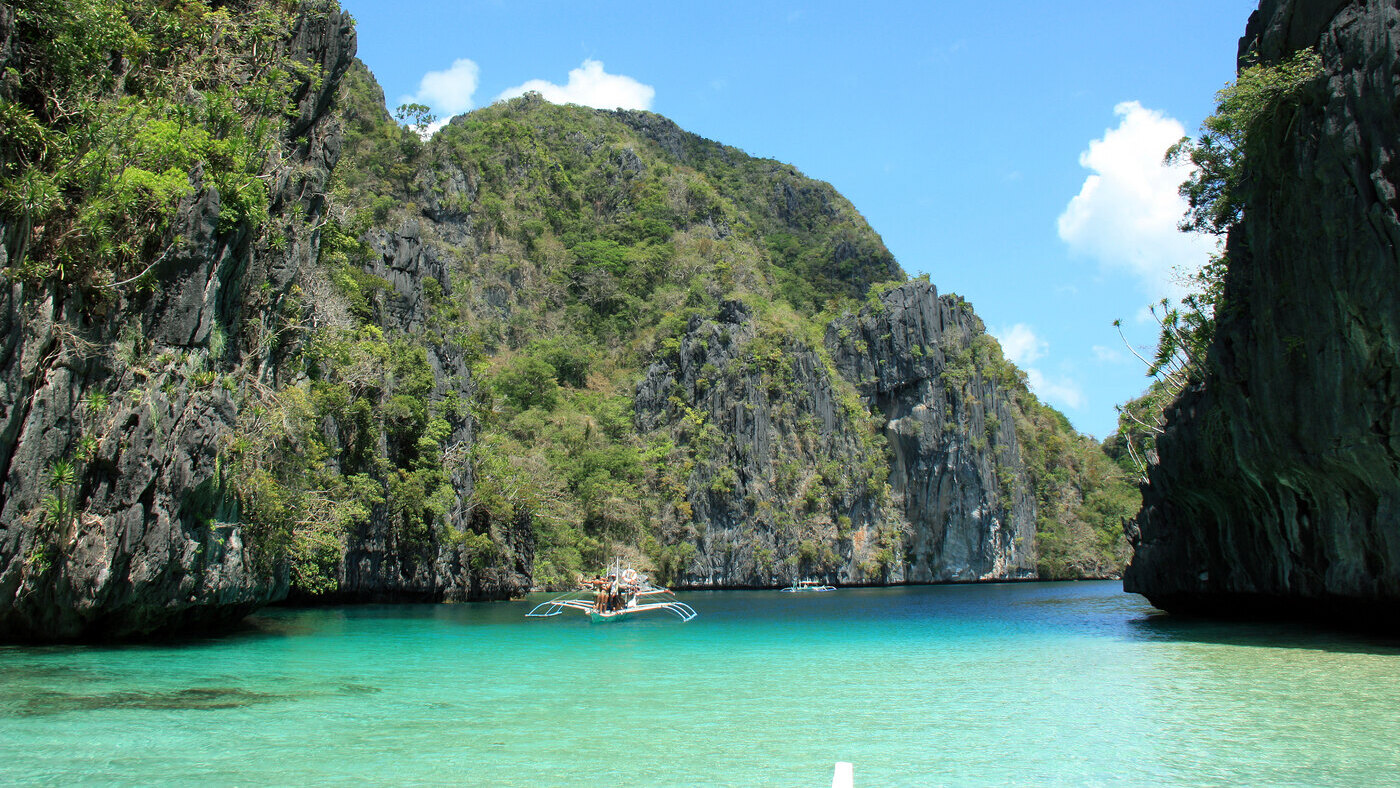
Palawan is one of the Philippines' most spectacular destinations.
Its towering limestone formations, secluded beaches and clear water attract travelers from around the world.
El Nido
El Nido is famous for island-hopping excursions and scenic lagoons.
Popular experiences include:
- Visiting the Big Lagoon.
- Exploring hidden beaches.
- Kayaking through turquoise waters.
- Snorkeling.
- Enjoying sunset views.
- Taking guided boat excursions.
Coron
Coron is known for scenic lakes, snorkeling and diving experiences.
Visitors can enjoy:
- Kayangan Lake.
- Twin Lagoon.
- Coral reefs.
- Historic shipwreck diving.
- Scenic island tours.
Plan several days in Palawan because weather can affect boat excursions.
Boracay: Beautiful Beaches and Relaxation
Boracay is one of the country's best-known beach destinations.
Its famous White Beach offers soft sand, clear water and beautiful sunsets.
Popular activities include:
- Swimming.
- Sailing.
- Snorkeling.
- Paddleboarding.
- Beachfront dining.
- Sunset cruises.
Boracay is particularly appealing for travelers seeking beach resorts and convenient tourist facilities.
Cebu: History, Beaches and Outdoor Adventures
Cebu combines historic sites with access to beaches and natural attractions.
Visitors can explore Cebu City, nearby islands and selected coastal destinations.
Popular experiences include:
- Historic churches and landmarks.
- Island excursions.
- Waterfalls.
- Snorkeling.
- Diving.
- Local food markets.
When booking marine wildlife excursions, choose providers that follow conservation and safety standards.
Bohol: Chocolate Hills and Island Beauty
Bohol is famous for its distinctive Chocolate Hills.
Other attractions include:
- The Philippine tarsier.
- Loboc River.
- Panglao Island.
- Beaches and snorkeling.
- Historic churches.
- Forest and countryside excursions.
Choose wildlife experiences that respect animal welfare and avoid unnecessary handling of animals.
Siargao: Surfing and Tropical Scenery
Siargao is well known for surfing, especially around Cloud 9.
Visitors can also explore lagoons, beaches, coastal villages and island excursions.
Although Siargao is geographically part of Mindanao, the current U.S. regional travel advisory specifically exempts Siargao Island from its broader Level 3 recommendation for certain Mindanao areas.
Visitors should still review the latest destination-specific advice before departure.
Manila: History, Culture and Urban Life
Manila is a major international gateway.
Travelers interested in history and culture can explore:
- Intramuros.
- Fort Santiago.
- Rizal Park.
- Historic churches.
- Museums.
- Local food districts.
Manila can be an interesting introduction to the Philippines, but visitors should allow extra travel time because of traffic congestion.
2. Best Time to Visit the Philippines
The Philippines has a tropical climate with significant regional differences.
Dry Season: December Through May
The dry season is generally the most popular period for beach vacations and island sightseeing.
December through April often offers favorable conditions for destinations such as Boracay and Palawan.
However, weather varies between islands.
Rainy Season: June Through November
The rainy season brings more frequent heavy rainfall and a greater risk of tropical cyclones.
Island transportation may be disrupted.
The Philippine weather agency PAGASA identifies July through October as a particularly active tropical cyclone period.
Best Time for Beach Vacations
For many first-time visitors, January through April is a practical starting point when planning a beach-focused trip.
However, travelers should check local seasonal conditions for their specific island.
Surfing Seasons
Surf conditions vary throughout the archipelago.
Siargao attracts surfers during its established swell season, while other destinations have different favorable periods.
3. Philippines Passport and Visa Requirements for U.S. Citizens
U.S. passport holders traveling for ordinary tourism can generally enter the Philippines without a visa for an initial stay of up to 30 days.
Passport Requirements
Travelers should have:
- A valid U.S. passport.
- At least six months of remaining passport validity beyond the arrival date, as stated in current U.S. Department of State guidance.
- Sufficient passport space for immigration stamps.
- A confirmed return or onward transportation ticket.
- Any required electronic travel registration.
Visitors planning longer stays should confirm the appropriate visa or extension process with the Philippine Bureau of Immigration before traveling.
The Bureau of Immigration offers procedures for eligible visitors to extend their authorized stay.
Do not assume that a visa-free 30-day admission automatically permits a longer vacation.
Official resources:
Philippine Bureau of Immigration
U.S. Department of State — Philippines
4. Philippines eTravel Registration Requirements for 2027
What Is eTravel?
The Philippine eTravel system is an official online platform used to collect information from covered international travelers.
It supports immigration, border processing and health-related declarations.
When Should Tourists Register?
International visitors who are required to register should complete the process within 72 hours before arriving in the Philippines.
Travelers should follow the system's current instructions for their passenger category.
Is eTravel Free?
Yes. Official eTravel registration is completely free.
Use only:
After submitting your information, save the registration QR code.
The Philippine government recommends keeping a screenshot or downloaded copy available for airline and border checks.
Important eTravel Scam Warning
Fake websites may imitate the official platform and request unnecessary fees.
The official eTravel website does not require payment for registration.
Never provide payment-card information to an unfamiliar website claiming to sell required eTravel registration.
5. A Practical 10–12 Day Philippines Itinerary
Because the Philippines consists of many islands, visitors should avoid trying to visit too many destinations during a short vacation.
Days 1–2: Arrive in Manila
Allow time to recover from your international flight.
Visit Intramuros and selected historic attractions.
Arrange onward transportation to your first island destination.
Days 3–6: Explore Palawan
Travel to El Nido or another suitable Palawan destination.
Enjoy guided lagoon excursions, beaches and snorkeling.
Leave at least one flexible day in case weather prevents boat activities.
Days 7–9: Cebu and Bohol
Continue to Cebu or Bohol, allowing sufficient time for the transfer.
Explore local attractions, countryside scenery and marine environments.
Days 10–12: Relax and Depart
Enjoy additional beach time before returning to an international airport.
Allow a generous connection buffer before your international flight.
Travel planning tip: Boracay can be substituted for the Cebu/Bohol segment if beach relaxation is your main priority.
For an even more relaxed vacation, focus on just two destinations.
6. Getting Around the Philippines
Domestic Flights
Domestic flights are often the most practical way to travel between distant islands.
Airports such as Manila and Cebu act as major transportation hubs.
Book tickets early during peak holiday periods.
Ferries
Ferries connect many islands.
However, the U.S. Department of State warns about ferry accidents and inconsistent enforcement of transportation safety standards.
Choose established operators, review current safety information and avoid overcrowded or visibly unsafe vessels.
Never insist on traveling during severe weather.
Taxis and Ride-Hailing Services
Ride-hailing applications can be convenient in major urban areas.
Where available, arrange transportation through reputable applications or your hotel.
Avoid accepting unsolicited rides from strangers.
Tricycles and Local Transportation
Tricycles and other local transport services are commonly used in smaller communities.
Confirm the fare before beginning the journey.
Rental Scooters
Scooters are popular on some islands, but visitors should evaluate:
- Road conditions.
- Traffic.
- Helmet availability.
- Licensing requirements.
- Insurance coverage.
- Personal driving experience.
Avoid renting a scooter simply because it is inexpensive.
7. How Much Does a Philippines Vacation Cost?
The Philippines offers accommodation and transportation options ranging from basic guesthouses to luxury resorts.
The official currency is the Philippine peso (PHP).
Accommodation
Choices include:
- Budget guesthouses.
- Small beachfront hotels.
- Midrange resorts.
- Family-friendly hotels.
- Luxury private-island accommodations.
Prices vary significantly by destination.
Remote islands can be more expensive because of transportation and supply costs.
Food
Travelers can save money by eating at local restaurants and markets.
Resort restaurants and imported goods generally cost more.
Transportation
Domestic flights, boat excursions and airport transfers can become major vacation expenses.
Always calculate the complete cost of moving between islands.
Budget-Saving Tips
- Travel outside major holiday periods.
- Stay longer in fewer destinations.
- Compare accommodations carefully.
- Book reliable shared tours when appropriate.
- Confirm boat-tour inclusions before paying.
- Carry some local cash.
- Budget extra for weather-related delays.
Avoid booking a domestic flight that arrives only a few hours before an international departure.
8. Tourist Scams to Avoid in the Philippines
The Philippines has many welcoming tourist communities, but crime and tourist scams deserve serious attention.
The U.S. Department of State has documented risks involving airport transportation, robbery, ATM fraud and financial scams.
Scam 1: Fake eTravel Registration Websites
Fraudulent websites may charge travelers for the Philippine eTravel declaration.
Prevention: Use only the official government website. Registration is free.
Scam 2: Airport Taxi Overcharging
Some drivers or people posing as legitimate drivers target arriving international travelers.
Scams may involve inflated fares, refusal to use the meter or demands for unexpected payments.
Prevention: Use official transportation services or reputable ride-hailing applications when available.
Scam 3: Unsolicited Airport Transportation Offers
The U.S. Department of State warns that travelers have been robbed after leaving Manila's international airport in taxis or private vehicles.
Prevention: Arrange transportation through reputable sources before leaving the airport.
Scam 4: ATM Card Skimming
Criminals can attach devices to ATM machines to capture payment information.
Prevention: Use machines in monitored locations and cover your PIN.
Scam 5: Drink Spiking and Robbery
The U.S. Department of State reports that some travelers have been drugged and robbed after accepting invitations or drinks from strangers.
Prevention: Do not accept unattended drinks or travel to isolated locations with people you have just met.
Scam 6: Fake Accommodation Listings
Verify unusual payment requests and confirm reservations directly with your accommodation provider.
Scam 7: Misleading Island-Hopping Offers
Before paying for a boat tour, confirm:
- The exact itinerary.
- Environmental and admission fees.
- Equipment included.
- Group size.
- Cancellation policies.
- Weather-related refund arrangements.
Choose reputable operators with appropriate safety equipment.
Scam 8: Online Financial and Romance Fraud
Be cautious when someone you meet online requests money, especially for emergencies, medical treatment or transportation.
Scam 9: Hidden Transportation Charges
Agree on prices before accepting local transportation where metered or app-based fares are unavailable.
Scam 10: Unlicensed Adventure Operators
Research diving, snorkeling, boating and other adventure operators.
Look for appropriate training, safety equipment and clear emergency procedures.
Important: These precautions do not mean every destination or operator is unsafe. They help visitors make informed decisions and avoid preventable risks.
9. Philippines Safety Advisories for 2027
The U.S. Department of State currently lists the Philippines at Level 2: Exercise Increased Caution, citing crime, terrorism, civil unrest and kidnapping.
Some regions carry stronger advisories.
Areas With Higher Risk
The advisory currently identifies:
- Sulu Archipelago and southern Sulu Sea: Level 4 — Do Not Travel.
- Marawi City: Level 4 — Do Not Travel.
- Certain other areas of Mindanao: Level 3 — Reconsider Travel, with specific exceptions detailed in the official advisory.
Visitors should review the complete advisory rather than assuming every destination has the same risk level.
Tourist destinations such as Boracay, Bohol and popular parts of Palawan are not automatically covered by those higher-risk regional designations.
However, travelers should stay alert to changes in local security conditions.
Official guidance:
https://travel.state.gov/en/international-travel/travel-advisories/philippines.html
10. Typhoons, Earthquakes and Weather Safety
The Philippines regularly experiences severe weather and natural disasters.
Typhoons can cause:
- Flight cancellations.
- Ferry suspensions.
- Flooding.
- Landslides.
- Power outages.
- Damaged roads.
- Disruptions to accommodations and activities.
Before Your Vacation
- Check current weather conditions.
- Purchase suitable travel insurance.
- Avoid overly tight flight connections.
- Keep emergency cash available.
- Charge phones and power banks.
- Follow local evacuation instructions.
- Avoid sea excursions during storm warnings.
The Philippine Atmospheric, Geophysical and Astronomical Services Administration (PAGASA) provides official weather information.
https://www.pagasa.dost.gov.ph/
Emergency Number
The national emergency number is 911.
11. Health and Medical Planning
Travelers should consult a qualified healthcare professional about recommended vaccinations and health precautions before visiting the Philippines.
Consider:
- Travel medical insurance.
- Mosquito protection.
- Drinking-water safety.
- Sun protection.
- Food hygiene.
- Access to medical care on remote islands.
Medical facilities vary considerably between major cities and smaller islands.
Some healthcare providers require payment before treatment.
Travelers planning diving or remote-island activities should verify that their insurance covers emergency evacuation and relevant activities.
12. Traditional Filipino Food to Try
The Philippines offers diverse regional cuisine influenced by local traditions and centuries of cultural exchange.
Popular dishes include:
Adobo: Meat simmered with vinegar, soy sauce, garlic and spices.
Sinigang: A savory and sour soup.
Lechon: Roasted pork, especially associated with celebrations.
Pancit: Noodle dishes prepared in various regional styles.
Lumpia: Filipino-style spring rolls.
Chicken inasal: Grilled chicken seasoned with distinctive spices.
Halo-halo: A popular dessert made with shaved ice and assorted sweet ingredients.
Regional markets are excellent places to discover local specialties.
13. Essential Philippines Travel Checklist
Before departure:
- Verify your passport validity.
- Confirm your visa-free stay or other required authorization.
- Register through official eTravel within the permitted period.
- Save your eTravel QR code.
- Confirm onward or return transportation.
- Review the latest regional travel advisories.
- Purchase medical and trip-interruption insurance.
- Check weather forecasts.
- Book reliable airport transportation.
- Confirm hotel and island-transfer reservations.
- Save emergency contact information.
- Consider enrolling in the U.S. Smart Traveler Enrollment Program.
14. Philippines Travel Frequently Asked Questions
Do Americans need a visa for the Philippines in 2027?
Americans traveling for ordinary tourism generally qualify for an initial visa-free stay of up to 30 days under the rules in effect in October 2026. Longer trips require an appropriate extension or authorization.
Is the Philippines eTravel registration free?
Yes. The official eTravel declaration is free.
When should tourists complete eTravel?
Within 72 hours before arrival, following the official instructions for their passenger category.
What is the best month to visit the Philippines?
January through April is often a good choice for beach-focused vacations in many popular regions.
Is the Philippines safe for American tourists?
Many visitors enjoy trouble-free vacations, but the U.S. government advises increased caution nationwide and stronger precautions for certain regions.
How many days do I need in the Philippines?
Ten to fourteen days allows time to visit two or three destinations without spending most of the vacation transferring between islands.
What is the best Philippine island for a first-time visitor?
Palawan is an excellent choice for scenic lagoons and island excursions. Boracay suits travelers seeking accessible beach resorts, while Bohol offers a combination of nature, wildlife and cultural attractions.
Final Thoughts: Planning the Perfect Philippines Vacation
The Philippines offers extraordinary tropical scenery, distinctive regional cultures and unforgettable island experiences.
Whether you're kayaking through the lagoons of Palawan, relaxing on Boracay's beaches or discovering Bohol's natural landmarks, careful planning helps make the experience safer and more enjoyable.
For 2027 travel, verify passport validity, complete official eTravel registration and review regional safety and weather advisories before departure.
Prepare Your Passport Photo Before Traveling
Travelers applying for a new passport, renewing an existing passport or preparing a visa application should confirm the correct photograph requirements before submitting their documents.
At FreePassportSnap.com, visitors can create free passport and visa photos online.
The service offers country-specific photo sizes, background tools and print-ready downloads without watermarks, with photographs processed directly in the browser.
For every application, follow the requirements published by the issuing government.
Official Philippines Travel Resources
Previous
Philippines eTravel Registration: How to Get Your Free QR Code and Avoid Fake Websites
Next
Prague and Vienna in One Trip: The Ultimate 8-Day Central Europe Itinerary for 2026–2027
You Might Also Like
Cambodia Travel Guide 2026: Visa, e-Arrival, Scams & Trip Planning
Plan a Cambodia trip with current visa and e-Arrival rules, the Thailand-border warning, tourist scams, realistic costs and a 10-day Angkor-to-coast itinerary.

Japan Travel Guide 2026: Passport, Visa, Scams, Costs & Trip Planning
Plan a Japan trip with current passport and visa rules, Visit Japan Web guidance, realistic costs, train travel and the tourist scams to watch for.
Taiwan Travel Guide 2026–2027: Best Places to Visit, Entry Requirements, Travel Costs & Tourist Scams
Explore Taipei, Jiufen, Sun Moon Lake and southern Taiwan with an eight-day itinerary, passport and arrival-card guidance, transportation, food, costs and safety precautions.