Spain Travel Guide 2026: Passport, Visa, ETIAS, Scams & Trip Planning
Edited by Bobby Hess | FreePassportSnap.com
Author: FreePassportSnap

Spain combines historic cities, Mediterranean beaches, Atlantic coastlines, mountain villages and island escapes — but the country is too large and varied to treat as one quick stop. A successful first trip depends on choosing a sensible route, understanding Schengen entry rules and protecting yourself from the distraction thefts and digital booking scams that commonly target visitors. Information checked September 20, 2026 — confirm details with the Spanish government, the European Union and the U.S. Department of State before departure.
Spain Entry Requirements at a Glance
- Passport validity: at least 3 months beyond your planned Schengen departure date — 6 months is a safer buffer.
- Passport age: normally must have been issued within the previous 10 years.
- Blank pages: one per entry/exit is the stated minimum — carry two for a buffer.
- Tourist visa: not required for stays up to 90 days in any rolling 180-day period across the Schengen Area.
- EES: the EU Entry/Exit System may register fingerprints and a facial image for covered visitors at the external Schengen border.
- ETIAS: not operational as of this update — applications are not currently accepted.
- Border officers may request a return ticket, accommodation proof, travel insurance and evidence of sufficient funds.
- Cash or qualifying instruments totaling €10,000 or more must be declared entering or leaving.
The 90-day limit covers all Schengen countries combined — a traveler who spends 30 days in Italy, 20 in France and 40 in Spain has used the full allowance. The State Department has specifically warned that U.S. students and athletes have been denied entry when they lacked the correct visa for a program; do not rely solely on a school or coach to confirm this — verify with a Spanish consulate.
Historical source record: September 20, 2026. Review scope and dates
Check current Spain entry and visa information on the official government site:
Spanish Ministry of Foreign Affairs — Official Visa InformationEES and ETIAS for Spain
The Entry/Exit System is a free border-registration process, not an application submitted in advance — covered visitors may have fingerprints and a facial image recorded, and children age 11 and younger are not fingerprinted. ETIAS will be a pre-travel authorization for eligible visa-exempt visitors once launched, but as of September 20, 2026 it is not operational. Do not pay a website claiming it can obtain an active ETIAS before the official system opens — use only the official EU portal.
Is Spain Safe to Visit in 2026?
The U.S. Department of State currently places Spain at Level 2: Exercise Increased Caution because of terrorism and unrest, with demonstrations common enough to disrupt transport. Ceuta, a Spanish territory on the North African coast, is separately listed at Level 3: Reconsider Travel because of unrest tied to the Moroccan border — this is a different location from mainland Madrid or Barcelona. Elsewhere, the most likely problem for an ordinary visitor is theft: pickpocketing and distraction theft are described as very common around tourist sites, airports, stations, beaches and urban transportation.
Most Common Tourist Scams in Spain
- Pickpocket teams on metros and crowded streets — use a zipped cross-body bag worn in front, especially on Barcelona’s metro and La Rambla or in Madrid’s central stations.
- The stain, bird-dropping or spilled-drink distraction — decline help and move into a business before checking belongings.
- Petition, clipboard and charity approaches — do not stop or hand over cash; keep valuables closed.
- Fake police wallet inspections — genuine officers do not need to inspect your wallet; ask for ID and offer to continue at a police station, or call 112.
- Airport, baggage-claim and rental-car theft — keep documents attached to your body, not on a chair or luggage cart.
- Highway pirates and fake vehicle trouble — do not stop on an isolated shoulder for a stranger; drive to a lighted service station and call 112.
- Rental-car break-ins — leave the car empty and choose monitored parking.
- Taxi meter and fare tricks — use an official rank or verified app and request a receipt.
- ATM skimming and dynamic currency conversion — use bank-attached machines and always choose euros, not dollars.
- Restaurant bill padding and undisclosed pricing — ask about market-price items and terrace supplements before ordering.
- Fake attraction, festival and football tickets — start at the venue’s official website.
- Holiday-rental and accommodation payment scams — keep payment inside the original booking platform and verify any change independently.
- Timeshare and holiday-club pressure sales — never sign under time pressure or pay an advance "recovery" fee.
- Nightlife overcharging and drink spiking — choose the venue yourself and never leave a drink unattended.
- Lottery, romance and emergency-money scams — a legitimate authority never resolves a case through gift cards or crypto.
- Fake ETIAS and visa services — use only the official EU portal.
If Something Is Stolen
- Move somewhere safe and call 112 if there is danger or injury.
- Lock payment cards and activate your phone’s lost-device function.
- Report the theft to police and keep the report for insurance.
- Contact the U.S. Embassy or Consulate if your passport is missing.
Best Time to Visit and Where to Go
Spain has several climates, so a good month for Seville may not suit Galicia or the Pyrenees. March-May brings comfortable city weather and spring festivals; June-August is hot inland with busy, expensive coasts and islands; September-October offers warm seas and milder cities; November-February brings cooler cities, northern rain and mountain snow. Madrid, Barcelona and Catalonia, Seville/Córdoba/Granada, Valencia, the Basque Country, Galicia, and the Balearic and Canary Islands each reward a dedicated multi-day stay — a realistic 12-day first trip might combine Madrid (4 nights), Seville (3 nights), Granada (2 nights) and Barcelona (3 nights) by high-speed train.
Budget, Transportation and Driving
Daily planning ranges run roughly €75–€140 for budget travel, €160–€300 midrange, and €400+ for higher-end trips per person, excluding long-haul airfare. Spain’s high-speed rail network (Renfe, iryo, OUIGO España) connects Madrid with Barcelona, Valencia, Seville, Málaga and other major cities — compare total price and baggage rules, not just the headline fare. A car is unnecessary in central Madrid or Barcelona but useful in Galicia, Andalusian hill towns, the Pyrenees and rural island areas; U.S. visitors should carry an International Driving Permit alongside their license.
Health and Local Laws
U.S. insurance, Medicare and Medicaid generally do not pay Spanish medical bills directly, so travel medical and evacuation insurance is strongly recommended. Summer heat is a major health risk in Andalusia and central Spain, sometimes exceeding 104°F — schedule outdoor activity for the cooler hours. Photo identification must be provided when lawfully requested by police, hotels and car-rental businesses are required to register guest identity information, street drinking is prohibited in many cities, and beach flag warnings are enforceable — a red flag means do not enter the water.
Frequently Asked Questions
Do Americans need a visa for Spain in 2026? Not for ordinary tourism of up to 90 days in any rolling 180-day period. Work, longer stays, some study and athletic programs require different permission.
Do Americans need ETIAS for Spain right now? No — no active ETIAS application is available as of September 20, 2026. Check the official EU portal immediately before travel.
Is Barcelona safe from pickpockets? Millions visit safely, but theft is very common in crowded tourist and transit areas — a closed bag worn in front and strict control of phones and passports substantially reduce the risk.
Preparing your Spain trip? Use Free Passport Snap to create a correctly formatted passport or visa photo from home — completely free, with no watermark.
Create Your Free Passport Photo →Related guides
Previous
Schengen Area Travel Rules for Americans in 2027: Passport Requirements, 90/180-Day Rule, EES, ETIAS & Scams
Next
Sweden Travel Guide 2026–2027: Best Places, Passport Rules, Costs, Itineraries & Tourist Scams
You Might Also Like

Austria Travel Guide 2027: Best Places to Visit, Itineraries, Costs, Passport Rules & Tourist Scams
Explore Vienna, Salzburg, Hallstatt and the Austrian Alps with a balanced ten-day itinerary, seasonal advice, transport and budget guidance, passport rules and tourist scam precautions.

Budapest, Hungary Travel Guide 2026–2027: Passport Requirements, Best Attractions, Vacation Costs & Tourist Scams
Plan your Budapest vacation with passport and visa requirements, thermal baths, a five-day itinerary, hotel districts, daily budgets, public transportation, and tourist scam advice.
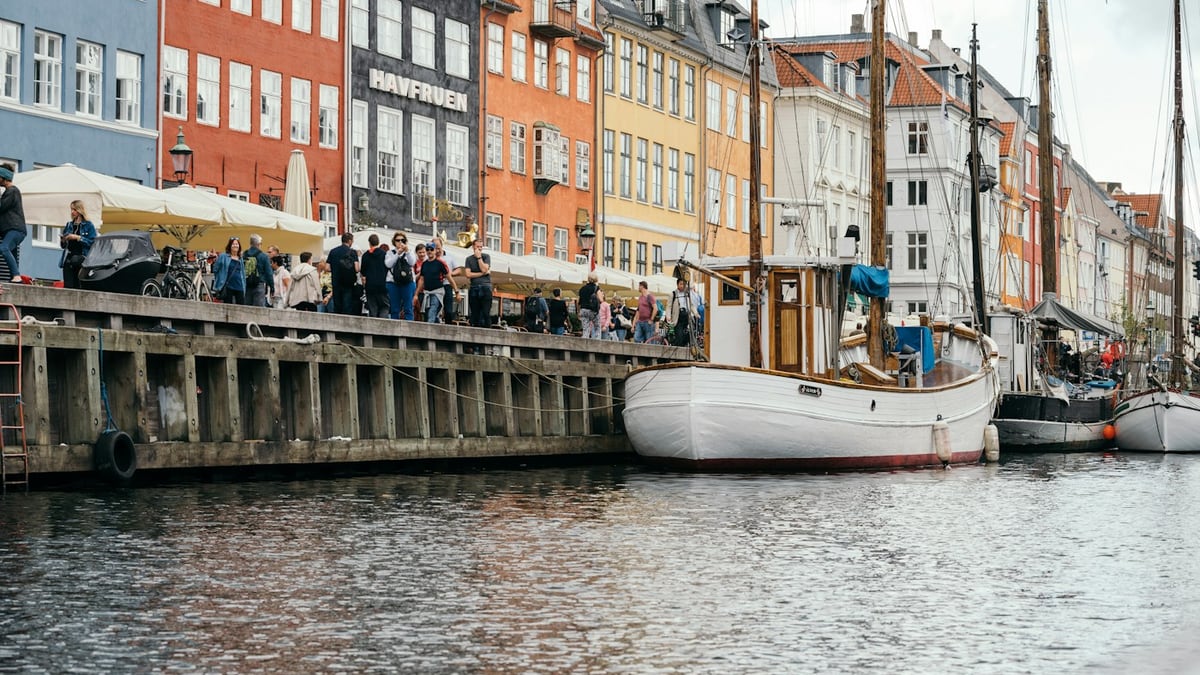
Denmark Travel Guide 2026: Passport, Visa, ETIAS, Scams & Trip Planning
Plan a Denmark vacation with current passport and Schengen rules, EES and ETIAS guidance, realistic costs, cycling and the tourist scams to watch for.