Italy Travel Guide 2026: Passport, Visa, ETIAS, Scams & Trip Planning
Edited by Bobby Hess | FreePassportSnap.com
Author: FreePassportSnap
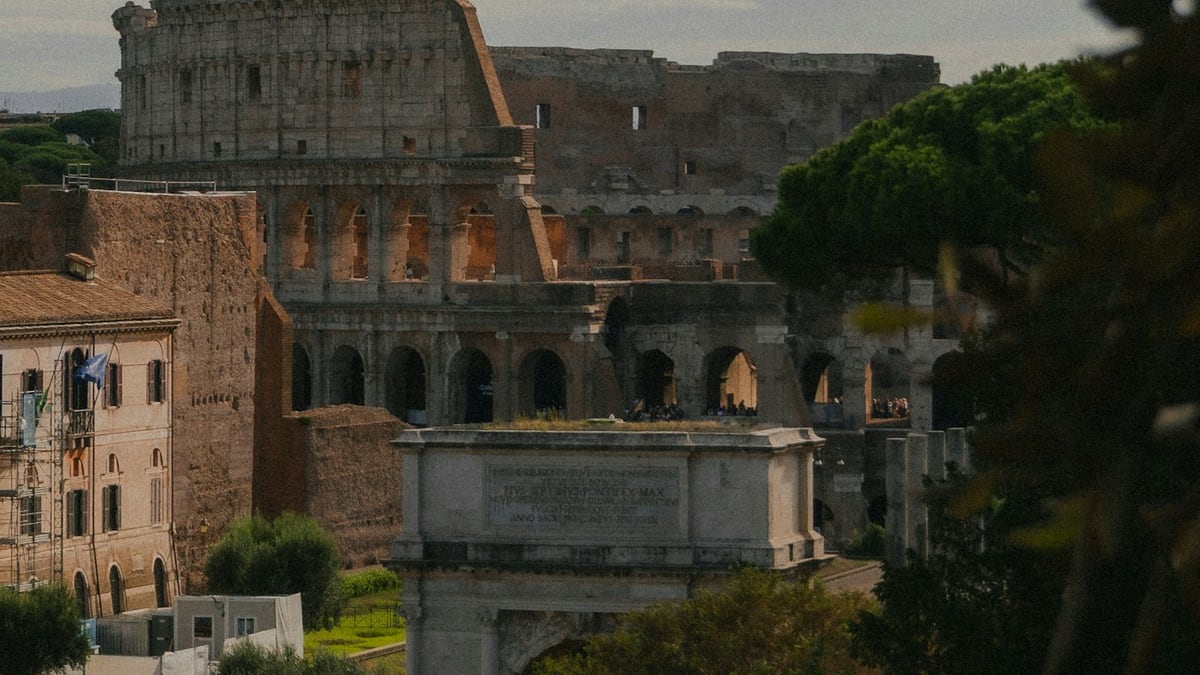
Rome, Florence, Venice, the Amalfi Coast, the Dolomites, Sicily and dozens of smaller cities can all look essential — the best Italy vacation usually covers fewer places and protects the parts of the trip most likely to go wrong: documents, reservations, transport and tourist scams. Information checked September 20, 2026 — confirm current rules with the Italian government and the European Union before departure.
Italy Entry Requirements at a Glance
- Passport: valid for at least 3 months after your planned Schengen departure, issued within the previous 10 years — 6 months gives a safer buffer.
- Blank pages: the U.S. State Department recommends two blank pages for entry stamps.
- Tourist visa: not required for stays up to 90 days in any rolling 180-day period across the Schengen Area.
- EES: the EU Entry/Exit System is operational and may record passport details, a facial image and fingerprints at the external Schengen border.
- ETIAS: not operational as of this update — do not pay any website claiming it can issue one now.
- Border officers may ask for a return ticket, accommodation details and proof of sufficient funds.
- Cash or equivalent instruments totaling €10,000 or more must be declared under EU rules.
These rules apply to your entire Schengen stay, not just days in Italy — 10 days in France, 30 in Spain and 50 in Italy total 90 Schengen days combined. If connecting through Paris, Amsterdam or Frankfurt before flying into Italy, that connecting airport is normally where you clear Schengen border control, not the Italian airport.
Historical source record: September 20, 2026. Review scope and dates
Check current Italy entry and visa rules on the official government site:
Italian Ministry of Foreign Affairs — Visa InformationIs Italy Safe to Visit in 2026?
The U.S. Department of State lists Italy at Level 2: Exercise Increased Caution, citing terrorism risk, and notes that petty crime is common in tourist areas and on public transportation. Violent crime against visitors is comparatively rare, but pickpocketing, bag theft and rental-car break-ins are persistent problems. Demonstrations and transport strikes can disrupt plans with little notice.
Most Common Italy Tourist Scams
- Pickpocket teams on public transportation — use a zipped cross-body bag worn in front; a backpack on your back is not secure in a crowd.
- Petition, clipboard or map distraction — keep moving and use a firm "no, grazie."
- Friendship bracelets, roses and "free" gifts near attractions followed by aggressive demands for payment — do not accept or touch unsolicited items.
- Fake police officers asking to inspect your wallet or cash — ask for ID and offer to continue at a police station; call 112 if uncertain.
- Unofficial taxis and fake airport drivers — use the official taxi rank, which uses white cars with identifying information.
- Taxi meter, route and payment tricks — ask for the meter and request a receipt.
- Ticket-machine "helpers" at stations — use official apps or staffed counters.
- Fake or misleading attraction tickets for the Colosseum, Vatican Museums, Uffizi and Last Supper — start at the attraction’s official website.
- Restaurant bill padding and menu switches — a disclosed coperto cover charge is legitimate, but check prices before ordering.
- ATM skimming and dynamic currency conversion — choose euros, not dollars, at terminals.
- Counterfeit goods and street-vendor pressure — do not buy, and watch your belongings.
- Rental-car break-ins and roadside distraction scams — never leave anything visible in the car.
- Fake damage claims and invented rental fees — make a timestamped walk-around video at pickup and return.
- Accommodation payment-change scams via compromised email — never pay through a link in an unexpected message; call the property’s official number.
- Fake ETIAS and visa websites — use only the official EU portal.
- Dating-app and nightlife bill scams — meet in a public place you choose and watch your drink.
If You Are Robbed in Italy
- Move to a safe place and call 112 if there is immediate danger.
- Freeze bank cards and use your phone’s lost-device tools.
- File a police report — insurers and banks may require it.
- Contact the nearest U.S. embassy or consulate if your passport is missing.
Best Time to Visit and Where to Go
For a first trip, late April to May and late September to October usually offer the best balance of weather and crowds; July and August bring intense heat to Rome, Florence, Venice, Naples and Sicily. Rome deserves at least three full days; Florence and Tuscany two days plus countryside time; Venice at least two nights to see it beyond the day-trip crowds; and Sicily, Puglia, the Dolomites and the Amalfi Coast each reward a dedicated week rather than a rushed add-on. A realistic 12-day itinerary might run Rome (4 nights), Florence (3 nights), Bologna (2 nights) and Venice (3 nights) using high-speed trains between bases.
Budget, Transportation and Driving
Daily planning estimates run roughly €90–€160 for budget travel, €180–€350 midrange, and €450+ for higher-end trips per person, excluding long-haul flights. High-speed trains (Trenitalia and Italo) connect major cities efficiently; regional trains and buses typically require ticket validation before boarding. A rental car is useful in rural Tuscany, Puglia and Sicily but a liability in historic centers with camera-controlled ZTL limited-traffic zones — U.S. travelers need an International Driving Permit alongside their license.
Health and Local Laws
Routine medical care is generally good, but travelers may have to pay before seeking reimbursement, and Medicare usually does not cover care abroad — buy insurance matching your health, activities and prepaid trip costs. Carry official photo ID, validate transport tickets when required, and avoid counterfeit goods, climbing on archaeological sites, and unauthorized drone flights. Venice may charge an access fee on selected dates for day visitors — check the official Venice portal for current rules.
Frequently Asked Questions
Can I enter Italy if my passport expires in four months? Possibly, if it remains valid at least three months past your planned Schengen departure and meets the 10-year issuance rule — renewing before travel is safer since delays can erase a narrow margin.
Do Americans need ETIAS for Italy in 2026? Not yet — as of September 20, 2026, ETIAS is not operational and applications are not being accepted. Check the official EU site immediately before travel.
What is the biggest scam risk in Italy? Opportunistic theft — pickpocketing, phone snatching and items taken from parked cars — remains the most common practical threat, alongside booking-payment impersonation and fake authorization websites.
Getting ready for Italy? Use Free Passport Snap to prepare a correctly sized passport or visa photo from home — free, with no watermark or registration.
Create Your Free Passport Photo →Related guides
Previous
International Travel Planning Checklist: Passport, Visa, and Document Timeline
Next
Japan Travel Guide 2026: Passport, Visa, Scams, Costs & Trip Planning
You Might Also Like

Austria Travel Guide 2027: Best Places to Visit, Itineraries, Costs, Passport Rules & Tourist Scams
Explore Vienna, Salzburg, Hallstatt and the Austrian Alps with a balanced ten-day itinerary, seasonal advice, transport and budget guidance, passport rules and tourist scam precautions.

Budapest, Hungary Travel Guide 2026–2027: Passport Requirements, Best Attractions, Vacation Costs & Tourist Scams
Plan your Budapest vacation with passport and visa requirements, thermal baths, a five-day itinerary, hotel districts, daily budgets, public transportation, and tourist scam advice.

Denmark Travel Guide 2026: Passport, Visa, ETIAS, Scams & Trip Planning
Plan a Denmark vacation with current passport and Schengen rules, EES and ETIAS guidance, realistic costs, cycling and the tourist scams to watch for.