Argentina Travel Guide 2026: Passport, Visa, Scams & Trip Planning
Edited by Bobby Hess | FreePassportSnap.com
Author: FreePassportSnap
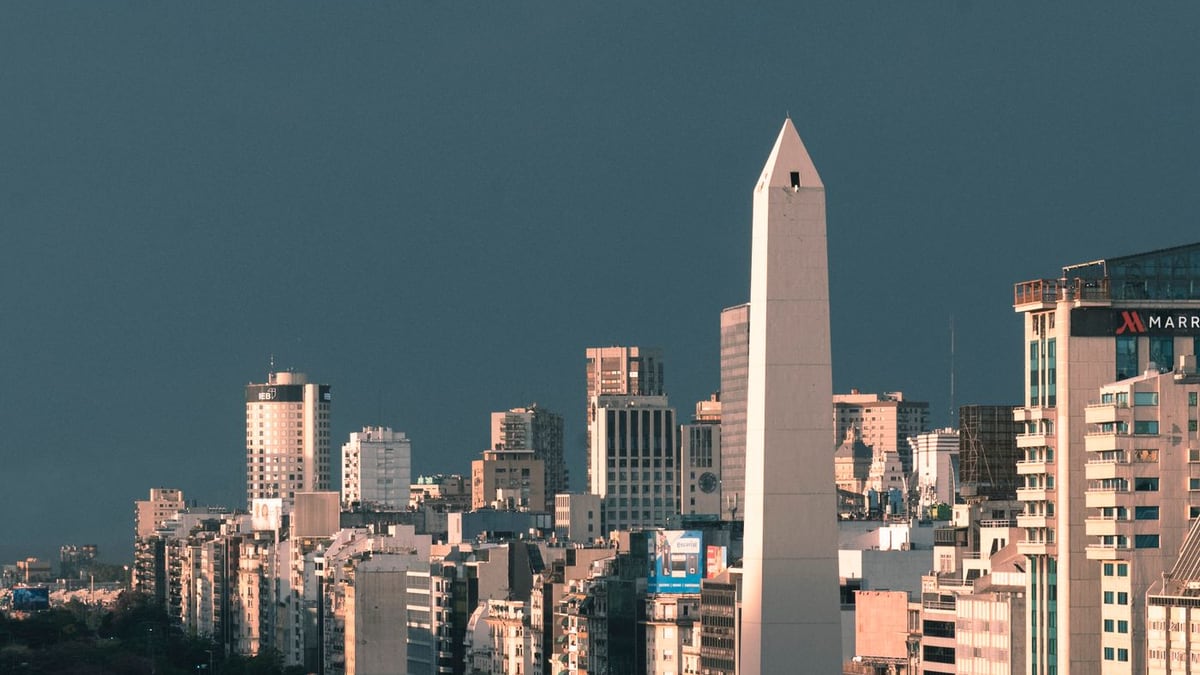
Argentina rewards travelers who plan around distance rather than trying to see the entire country at once. Buenos Aires feels European and unmistakably Latin American; Iguazú is subtropical; Mendoza is framed by the Andes; Patagonia has glaciers, steppe and world-class trails. Those places can be separated by flights of several hours, changing weather and very different travel costs. Entry rules depend on nationality, residence, trip purpose and length of stay, and can change without notice — confirm current requirements with Argentina’s immigration authority, your nearest Argentine consulate and your airline before departure.
Argentina Entry Requirements at a Glance
- Passport validity: should cover the entire proposed stay — Argentina generally does not impose a universal six-month rule, but extra validity is still sensible for airlines and transit countries.
- Tourist visa: many nationalities, including U.S. and British citizens, can normally visit visa-free for up to 90 days; other travelers may need a visa.
- Entry record: arrivals are generally recorded electronically — Argentina no longer routinely stamps passports.
- Return or onward travel: airlines or border officers may request evidence that you will leave Argentina, plus proof of funds and accommodation.
- Health insurance: Argentina’s 2025 immigration reforms introduced a visitor health-insurance requirement, though how it is checked can vary by port of entry.
- Cash declaration: declare cash or monetary instruments above roughly US$10,000 or the equivalent.
Historical source record: September 23, 2026. Review scope and dates
Confirm current entry rules with Argentina’s immigration authority:
Argentina Dirección Nacional de MigracionesDo You Need a Visa for Argentina?
Visa requirements are nationality-specific. U.S. and British passport holders can normally enter as tourists without a visa for stays of up to 90 days, and many EU, Canadian, Australian and New Zealand passport holders also receive visa-free tourist access — but every traveler should verify their own passport on an official source. At check-in or immigration, you may be asked for a return or onward ticket, your first accommodation address, evidence of sufficient funds, proof of travel medical insurance and documents explaining your trip. To extend a tourist stay, contact Argentina’s Dirección Nacional de Migraciones before it expires — overstaying can create fines and complications when leaving or returning.
Health Insurance and Vaccinations
Argentina’s 2025 immigration reforms introduced a health-insurance requirement for nonresident visitors, so arrive with a certificate showing your name, travel dates, emergency medical treatment, hospitalization, medical evacuation and repatriation coverage, and a 24-hour assistance number. Standard policies may exclude high-altitude trekking, mountaineering and remote hiking — buy a policy that explicitly covers the elevation and activities you plan for Patagonia, Mendoza or the northwest. Routine vaccinations should be current, and yellow fever vaccination is commonly recommended for visitors to Corrientes and Misiones, including the Iguazú region, along with parts of Chaco, Jujuy, Salta and Formosa. Dengue and other insect-borne diseases occur; use repellent and choose screened or air-conditioned rooms. Travel-health authorities have also flagged increased leptospirosis risk after flooding — avoid wading in floodwater and cover cuts with waterproof dressings.
Is Argentina Safe to Visit in 2026?
Argentina is generally safe for ordinary tourism with normal precautions, and the U.S. travel advisory currently places the country at Level 1: Exercise Normal Precautions. Petty theft is the problem most visitors are likely to encounter, especially in Buenos Aires neighborhoods like San Telmo, La Boca, Retiro, Palermo and Florida Street/Microcentro, plus public transport and airport arrival areas. Rosario deserves additional caution because organized criminal and drug-trafficking groups have contributed to violence there. Protests, strikes and road blockades are also a recurring part of Argentine public life, particularly around Congress, Plaza de Mayo and Casa Rosada — avoid crowds, never attempt to cross a blockade, and allow extra time for airport journeys.
Most Common Tourist Scams in Argentina
- The mustard or "bird-dropping" distraction — someone sprays a substance on your clothing so an accomplice can take your bag while a "helpful" stranger offers to clean you up.
- Motochorro phone and bag snatches from passing motorcycles — use your phone inside a business and carry bags on the side away from traffic.
- Pickpocketing on crowded Subte cars, buses and station platforms — keep valuables in a zipped inner pocket.
- Long-distance bus luggage theft in terminals and overhead racks — use the operator’s checked-bag desk and keep valuables physically attached to you.
- Airport taxi overcharging by unofficial drivers inside arrivals — book at an authorized counter, recognized app or licensed remise instead.
- Taxi note switching and manipulated fares — prefer app-dispatched or radio taxis with a trip record and pay with exact change.
- Street money changers ("arbolitos") short-counting cash or passing counterfeit pesos — use banks or licensed exchange offices instead.
- ATM tampering with skimmers or card-trapping devices — use machines inside a bank and cover the keypad.
- Fake QR codes placed over legitimate restaurant or payment codes — confirm the payee with staff before scanning.
- Fake accommodation payment-change messages after a booking account is compromised — verify by calling the property directly, never through a link in the message.
If You Are Robbed or Scammed
- Do not resist — phones and wallets are replaceable, and a confrontation can escalate to violence.
- Move to a staffed, well-lit place and call 911 for police, ambulance or fire.
- Lock or erase the stolen phone remotely and suspend cards and mobile banking.
- Change your primary email password before other account passwords, since an unlocked phone can expose email and verification codes.
- Ask police for a written report and contact your embassy or consulate if your passport was taken.
Best Time to Visit and a Realistic 14-Day Itinerary
Argentina’s seasons are opposite those in the Northern Hemisphere, and its enormous north–south span means there is no single ideal month — March–May and September–November suit Buenos Aires, November–March gives Patagonia its longest daylight and best trail access, and April–November is drier for Salta and Jujuy in the northwest. A realistic first trip spends four days in Buenos Aires (Plaza de Mayo, Recoleta, Palermo, San Telmo and a guided La Boca visit), two days at Iguazú Falls, three days in El Calafate for Perito Moreno Glacier, and three days in El Chaltén for trekking, with the remaining days as a buffer around Patagonia flights and the international departure. Replacing Iguazú with Mendoza wine country, or southern Patagonia with Salta and Jujuy, both make good lower-flight alternatives.
Costs, Transport and Driving
Costs vary sharply by destination, season and exchange conditions, but broad per-person daily planning ranges (excluding international flights) run roughly US$55–90 for budget travel, US$120–250 midrange and US$350+ for an upscale trip — build in a contingency of at least 15–20% rather than converting every expense at one fixed rate. Flying is often the only efficient way to connect distant regions; check whether a connection routes through Ezeiza (EZE, the main international gateway) or Aeroparque (AEP, closer to central Buenos Aires) and leave generous transfer time between them. Argentina drives on the right, and license requirements depend on the issuing country and rental company — British visitors are advised to carry a 1949 International Driving Permit alongside their UK license. Avoid night driving on rural roads, fuel up early in Patagonia where mobile coverage can disappear, and never leave luggage visible in a parked car.
Money and Cards
- Carry more than one card on separate networks and keep a modest amount of pesos for small businesses, tips and transport.
- Use banks or licensed exchange providers only — avoid street exchangers regardless of the advertised rate.
- Decline dynamic currency conversion at the terminal; paying in pesos usually lets your card network handle the conversion.
- Check card transactions immediately and withdraw cash in daylight from an ATM inside a bank.
Frequently Asked Questions
Do U.S. citizens need a visa for Argentina? U.S. tourists can normally visit without a visa for up to 90 days, though a valid passport and compliance with entry conditions are still required.
Does Argentina require six months of passport validity? Argentina commonly requires a passport valid for the proposed stay rather than a universal six-month minimum, although transit countries and airlines may impose stricter rules of their own.
Is travel health insurance mandatory? Argentina’s 2025 immigration changes created a health-insurance requirement for nonresident visitors. Carry a policy certificate covering medical care and repatriation, and confirm current implementation with your airline and an Argentine consulate.
Is Buenos Aires safe? Most visits are trouble-free, but phone snatching, pickpocketing and robbery occur. Use secure transport at night, keep phones away from the curb and avoid quiet parts of La Boca.
Planning an Argentina trip? Use Free Passport Snap to prepare a correctly formatted passport or visa photo online — free, with no watermark or registration.
Create Your Free Passport Photo →Previous
Applying for a UK Passport? Avoid Third-Party Websites and Use the Official GOV.UK Service
Next
Australia Travel Guide 2026: ETA, Passport, Scams & Trip Planning
You Might Also Like
Australia Travel Guide 2026: ETA, Passport, Scams & Trip Planning
Plan an Australia vacation with current ETA and passport rules, biosecurity guidance, realistic costs, regional planning and the tourist scams to watch for.
Austria Travel Guide 2027: Best Places to Visit, Itineraries, Costs, Passport Rules & Tourist Scams
Explore Vienna, Salzburg, Hallstatt and the Austrian Alps with a balanced ten-day itinerary, seasonal advice, transport and budget guidance, passport rules and tourist scam precautions.

Budapest, Hungary Travel Guide 2026–2027: Passport Requirements, Best Attractions, Vacation Costs & Tourist Scams
Plan your Budapest vacation with passport and visa requirements, thermal baths, a five-day itinerary, hotel districts, daily budgets, public transportation, and tourist scam advice.